 0
0
 0
0
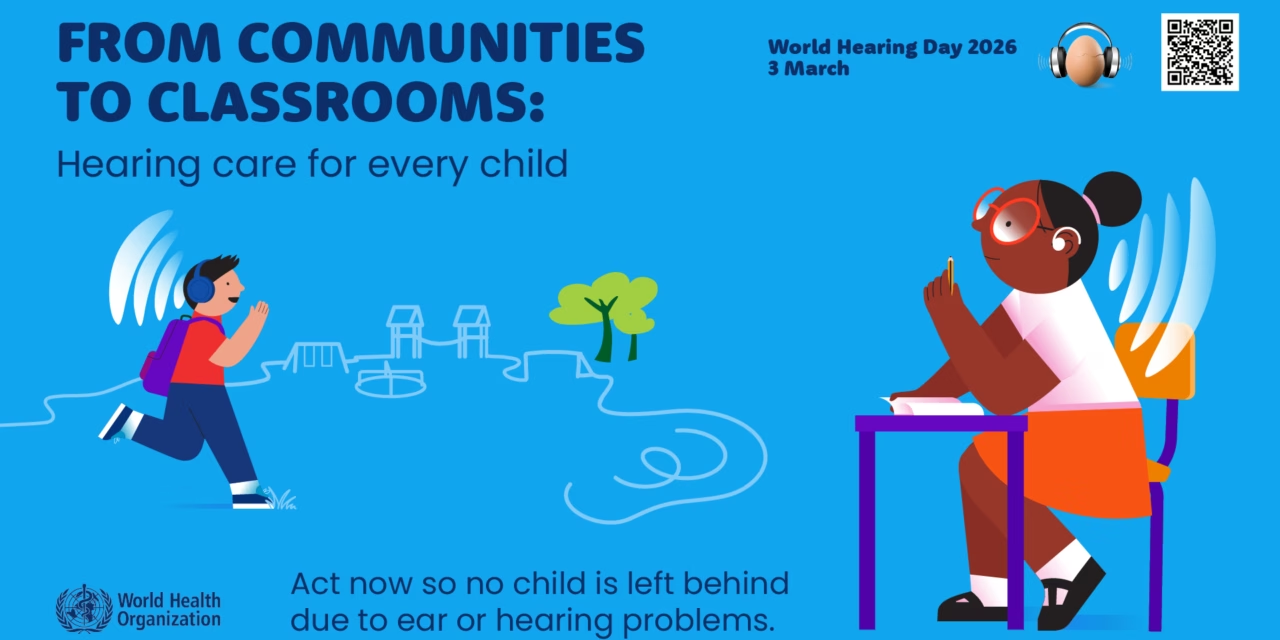
From communities to classrooms: hearing care for all children
Act now so no child is left behind due to ear or hearing problems
Why focus on children’s hearing?
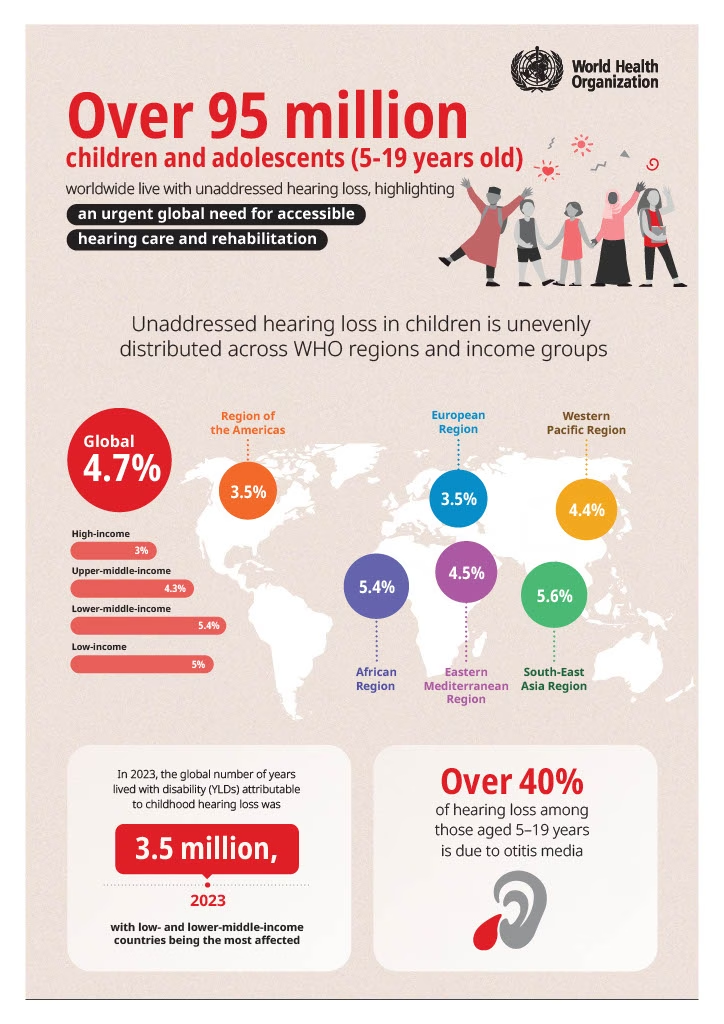
Globally, school-age children with hearing loss often remain undiagnosed and without access to needed services (World report on hearing, 2021). Hearing loss affects around 90 million children and adolescents aged 5-19 years, across all parts of the world (Global burden of disease study, 2021). However, it commonly remains undetected, especially in low-resource settings.
Common, preventable and treatable causes of hearing loss—such as otitis media with effusion (OME), chronic suppurative otitis media (CSOM), and impacted ear wax—remain widely prevalent in children. At time, hearing loss begins insidiously but progresses and worsens over time.
Left unaddressed, this not only affects a child’s ability to hear but significantly impacts speech, language, cognitive and social development, commonly leading to poorer educational outcomes, reduced employment prospects and long-term economic disadvantages.
How?
This year, WHD highlights the theme “From communities to classrooms: hearing care for all children.”
The campaign focuses on two imperatives:
- Preventing avoidable childhood hearing loss
- Ensuring early identification of and care for children with ear or hearing problems
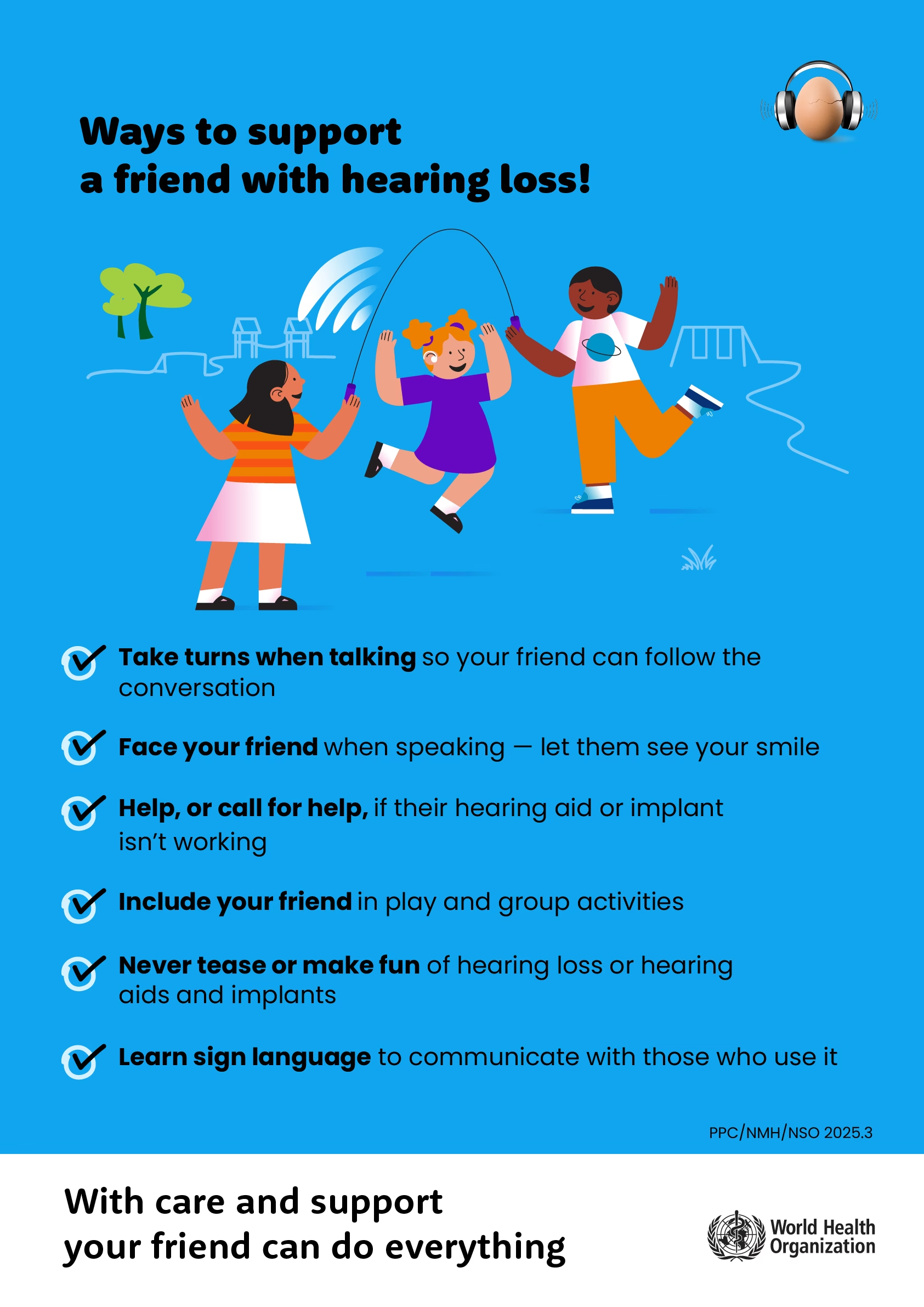
Communities and classrooms are natural entry points to reach children, parents, and teachers. By integrating hearing care into school health and child health programmes, we can help children hear, learn, and succeed.
Key Messages
Around 90 million children aged 5-19 years, live with hearing loss
Over 60% of childhood hearing loss is preventable through simple, cost-effective public health measures.
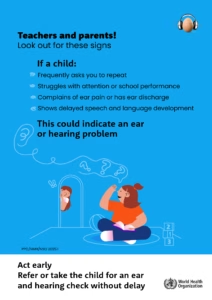
Among those living with ear diseases or hearing loss, early identification and care are crucial to prevent long-term impacts on development, education, and future opportunities.
Integrating systematic screening and early intervention programmes into school health and child health plans can ensure improved outcomes for children living with ear or hearing problems.
📢Call for action: WHD 2026

Mobilize multi-sectoral enagagement
Stakeholders in ear and hearing care must collaborate with those working in areas such as school health, child health, eye care, primary health care, and education.

Advocate and implement
Advocate and support the implementation of WHO technical tools.
Generate real-world impact stories
Generate and showcase stories of how ear and hearing care efforts are changing outcomes—from classrooms to communities.
Communication objectives:
- Promoting routine ear and hearing screening as part of school health packages
- Encouraging cross-sectoral partnerships (e.g., with child health, primary care, education, eye health)
- Advancing early identification, treatment, and referral pathways within existing community and school platforms
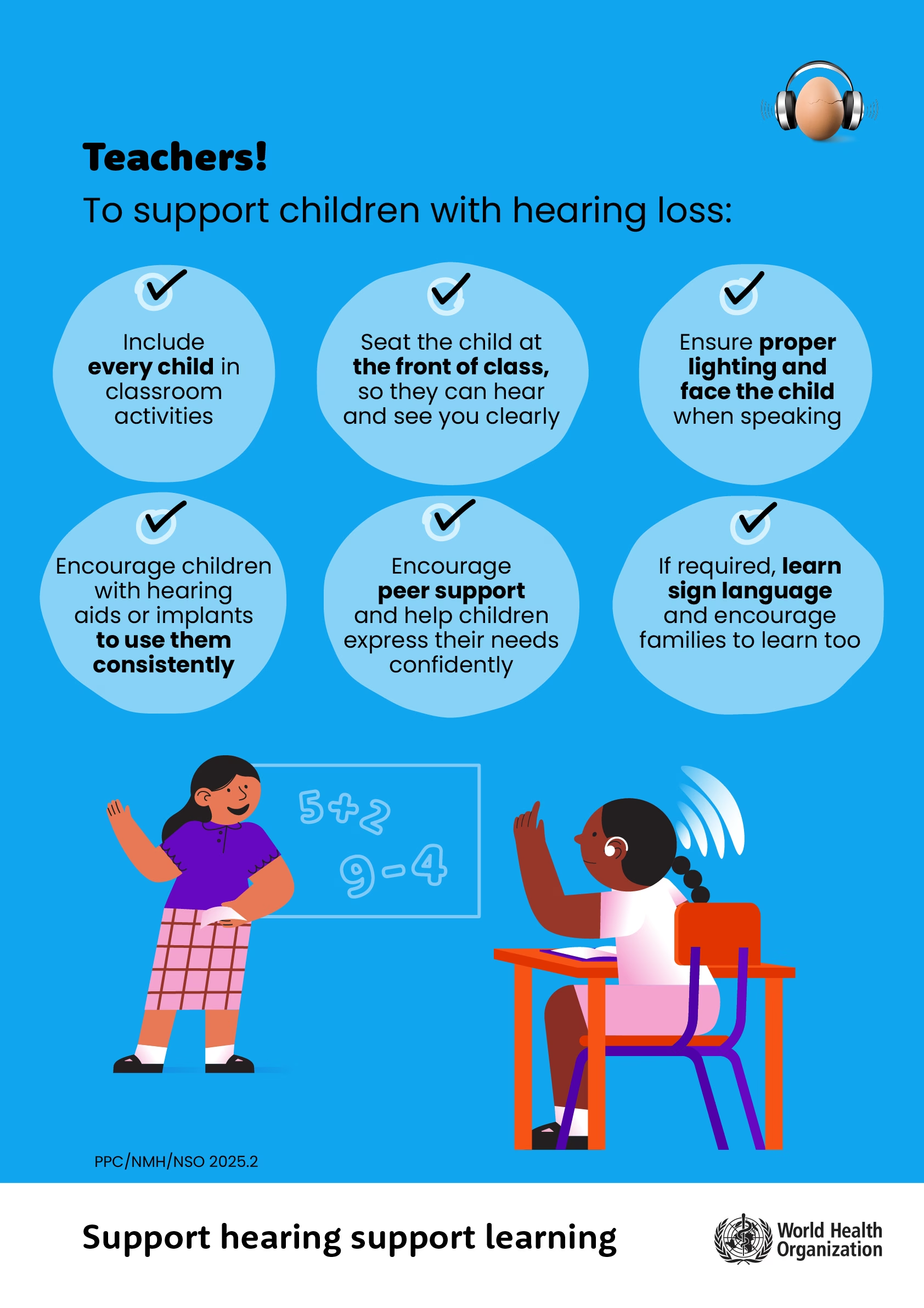
- Empowering teachers, parents, health workers and children through information resources
WHO technical tools to promote this year for:
1. Integrating childhood hearing screening:
WHOears
WHOears is a tone-based hearing screening app.
Coming soon!
2. Prevention of hearing loss and ear care:
Smart hearing for children
Educational videos on topics related to ear and hearing care for children aged 5-8 years.
Coming soon!
3. Assessing impact using tracer indicator
Use the tracer indicators as part of health system:
Prevalance of chronic ear disease and unaddressed hearing loss in school aged children: percentage of (primary) school-age children who have chronic otitis media or hearing loss for which they are not receiving rehabilitation. The indicator should be reported in three parts:
1) the percentage of children with chronic otitis media;
2) the percentage of children with unaddressed hearing loss; and
3) the percentage of children with chronic otitis media and/or unaddressed hearing loss.