 0
0
 0
0
Scientists in Queensland, Australia, have developed what they describe as the world’s most advanced laboratory-grown human skin—a breakthrough poised to reshape skin disease research, wound care, and skin grafting for patients worldwide.
The Breakthrough: Who, What, When, Where, Why
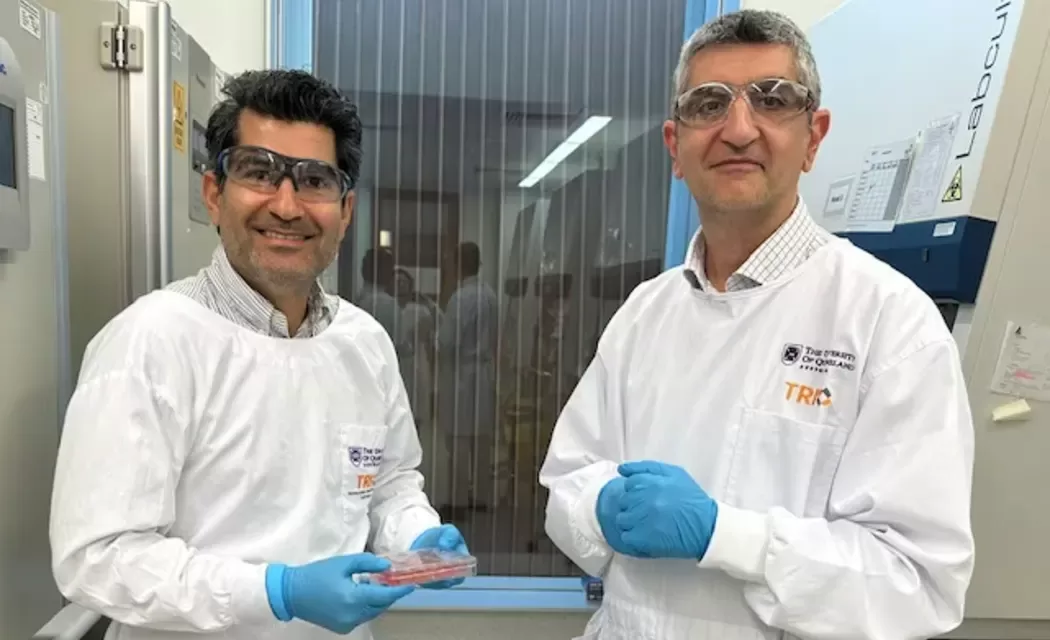
In August 2025, researchers at the University of Queensland’s Frazer Institute announced the successful creation of fully functioning human skin in the lab. The team—led by Professor Kiarash Khosrotehrani and Dr. Abbas Shafiee—grew the skin using innovative stem cell techniques. This laboratory-generated skin is uniquely life-like: it contains blood vessels, capillaries, hair follicles, nerves, multiple tissue layers, and immune cells. The goal is to revolutionize treatments for rare skin disorders, burns, chronic wounds, and skin grafting procedures, bringing new hope to thousands of Australians and millions globally.
Key Findings and Innovations
-
Complexity Beyond Previous Models: Unlike older models that featured only thin single-cell layers, the new skin organoids possess vascular and immune components. This makes it possible to study skin diseases far more realistically.
-
Stem Cell Technology: Researchers reprogrammed human skin cells into stem cells, which were then induced to become mini skin organoids. Blood vessels and nerves were integrated, allowing true skin-like growth with hair, pigment, sweat glands, and a natural structure.
-
Multi-Purpose Applications: The organoids can be used to simulate conditions like psoriasis, atopic dermatitis, scleroderma, and rare genetic disorders such as epidermolysis bullosa (“butterfly disease”), as well as improving skin graft procedures for burns, cancer excisions, and trauma.
“This is the most life-like skin model that’s been developed anywhere in the world and will allow us to study diseases and test treatments more accurately,” noted Dr. Abbas Shafiee, Frazer Institute, University of Queensland.
Expert Perspectives
Medical Research Community
Professor Allison Cowin, a leading expert in regenerative medicine at the University of South Australia, highlighted the potential of this skin organoid as a “useful stepping stone” for rare disease therapies. Cowin cautioned, however, that there’s a long road from lab discovery to clinical use, emphasizing the complexity and ethical concerns of human trials.
“The fact they’re able to start to make this much more complicated version… it’s really good,” she stated, underscoring the organoid’s promise while warning against raising false hopes too quickly.
Uninvolved Medical Sources
External commentary from advanced dermatology researchers confirms that the advent of skin organoids containing hair follicles, immune cells, and vascular networks enables more accurate modeling of skin diseases and wound healing. These models can be tailored to test therapies and observe skin regeneration in ways not previously possible.
Context: Why This Matters
Australia, and Queensland especially, bears an exceptionally high burden of skin diseases and skin cancer. Over 3,600 Queenslanders are diagnosed with melanoma annually, with more than 350,000 cases of non-melanoma skin cancers treated each year. Most Australians will face skin cancer at some point before age 70, making innovation in skin care an urgent public health need.
For burn victims and those requiring skin grafts due to cancer, trauma, or genetic conditions, current grafts are limited by the lack of vascularization and sensation. Professor Khosrotehrani explains that future versions of lab-grown skin may provide “sensation… hair… and sweat glands,” representing a major improvement in quality of life for patients.
Implications for Public Health and Daily Life
-
Faster, Safer Drug Development: These organoid models allow therapies to be tested without risk to patients, accelerating innovation for rare and common skin diseases.
-
Potential for Personalized Medicine: Patient-derived stem cells could lead to “tailor-made” grafts and disease models, optimizing treatments for individuals.
-
Enhanced Skin Grafting: While clinical application may be several years away, the research hints at future grafts that restore appearance, function, and sensation, especially for extensive burns and trauma.
Potential Limitations and Counterarguments
-
Translational Barriers: Moving from the laboratory to direct human use involves major challenges—regulatory, ethical, and biological. Professor Cowin notes that “there’s still a little way to go” before patients can benefit from the technology directly, and urges responsible reporting to avoid false hope.
-
Complexity of Human Skin: Even advanced organoids may not fully replicate all functional features (such as immune response or long-term durability and integration with existing skin).
-
Cost and Accessibility: The long-term goal is to make these advances widely available, but questions about scalability and cost remain.
Practical Implications for Readers
-
For patients: These advances mean that future treatments for severe skin injuries, burns, and genetic diseases may be more effective and less invasive.
-
For families and caregivers: Participation in clinical trials may become safer, with more therapies vetted on realistic skin models before human testing.
-
For health enthusiasts: The research highlights the power of stem cell science and precision medicine to “custom build” healthier skin—a concept that will influence dermatology for decades.
Conclusion
The creation of vascularized, immune-equipped skin organoids by Australian researchers marks a milestone in medical science. While its clinical use may still be years away, the advance sets the stage for better understanding, prevention, and treatment of debilitating skin conditions, potentially transforming care for millions.
Medical Disclaimer: This article is for informational purposes only and should not be considered medical advice. Always consult with qualified healthcare professionals before making any health-related decisions or changes to your treatment plan. The information presented here is based on current research and expert opinions, which may evolve as new evidence emerges.
References