 0
0
 0
0
14 November is World Diabetes Day
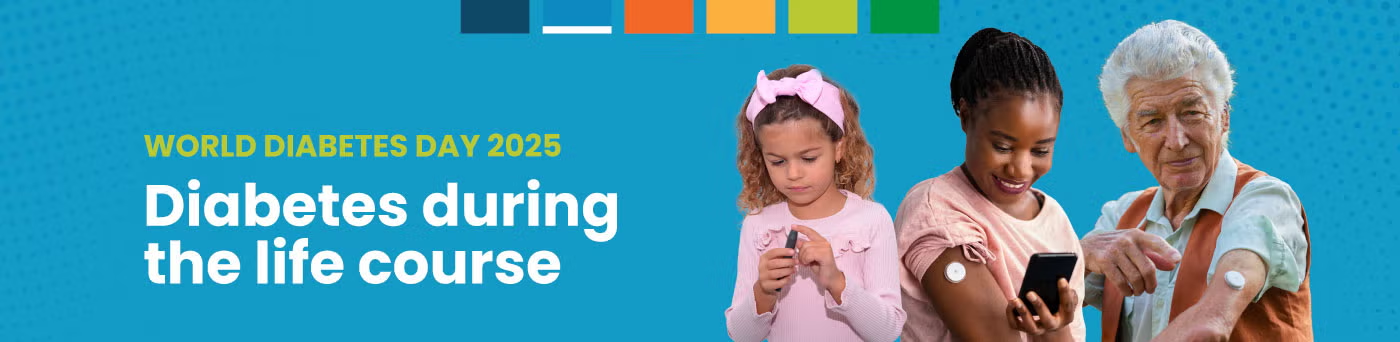
Diabetes can impact people across all life stages, including childhood, the reproductive years, working age and older adulthood.
The theme of this year’s WHO World Diabetes Day, “Diabetes across life stages,” recognizes that every person living with diabetes should have access to integrated care, supportive environments and policies that promote health, dignity and self-management. This campaign emphasizes the importance of a life-course approach to diabetes prevention, management and overall well-being.
Our key messages include:
- Diabetes can affect people at every stage of life;
- From childhood to older age, diabetes prevention and care efforts must be integrated across life stages; and
- Supporting well-being and self-care empowers people with diabetes at every age.
World Diabetes Day provides an opportunity to raise awareness about diabetes as a critical global public health issue. Join us in raising awareness, spreading knowledge and creating lasting change for all affected by diabetes.
Global Diabetes Coverage Targets
In 2022, WHO Member States endorsed 5 global diabetes coverage targets to be achieved by 2030:
- 80% of people with diabetes are diagnosed;
- 80% of people with diagnosed diabetes have good control of glycaemia;
- 80% of people with diagnosed diabetes have good control of blood pressure;
- 60% of people with diabetes of 40 years or older receive statins; and
- 100% of people with type 1 diabetes have access to affordable insulin and blood glucose self-monitoring.
Key facts about diabetes
Key facts
- The number of people living with diabetes rose from 200 million in 1990 to 830 million in 2022. Prevalence has been rising more rapidly in low- and middle-income countries than in high-income countries.
- More than half of people living with diabetes did not take medication for their diabetes in 2022. Diabetes treatment coverage was lowest in low- and middle-income countries.
- Diabetes causes blindness, kidney failure, heart attacks, stroke and lower limb amputation.
- In 2021, diabetes and kidney disease due to diabetes caused over 2 million deaths. In addition, around 11% of cardiovascular deaths were caused by high blood glucose.
- A healthy diet, regular physical activity, maintaining a normal body weight and avoiding tobacco use are ways to prevent or delay the onset of type 2 diabetes.
- Diabetes can be treated and its consequences avoided or delayed with diet, physical activity, medication and regular screening and treatment for complications.
Overview
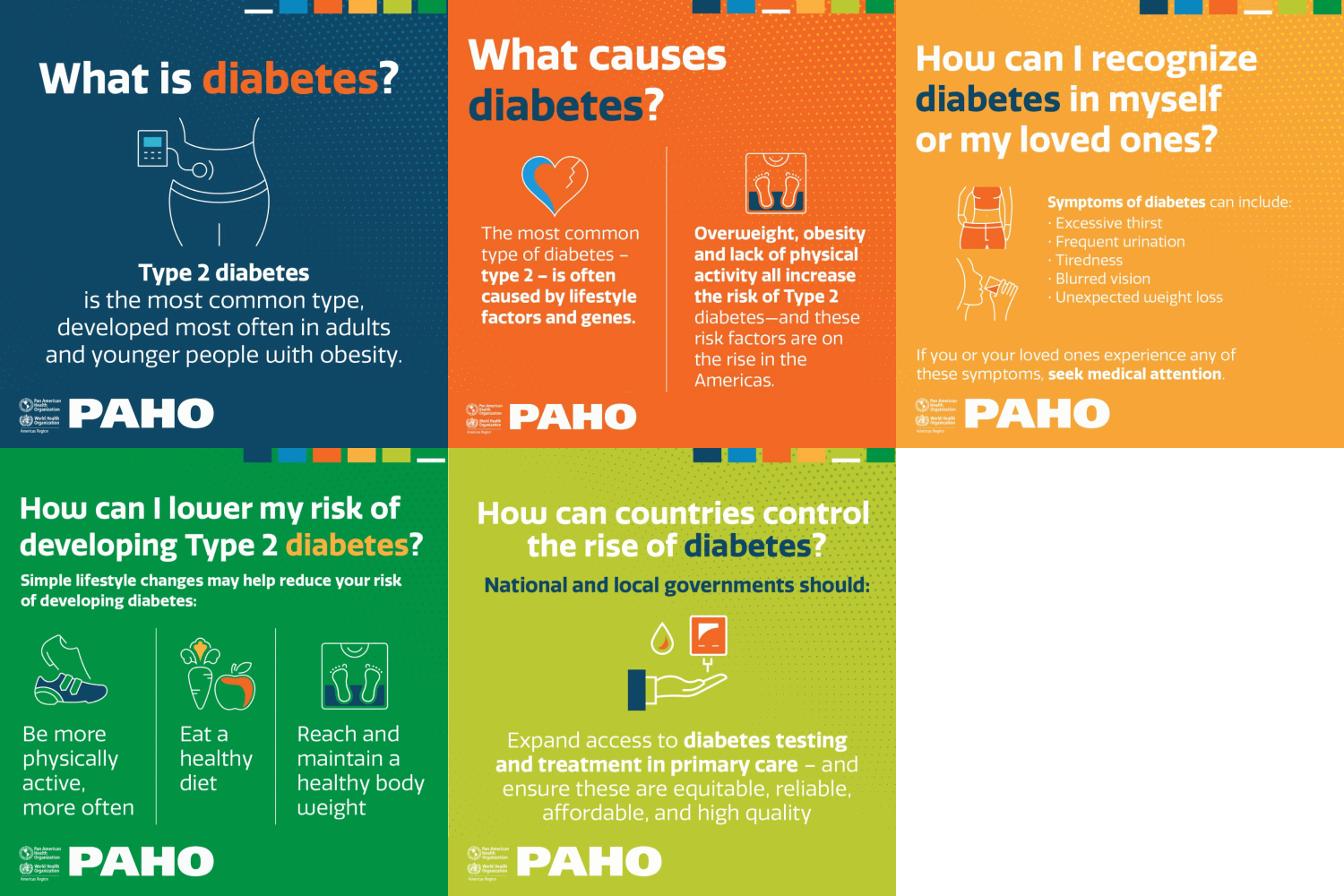
Diabetes is a chronic disease that occurs either when the pancreas does not produce enough insulin or when the body cannot effectively use the insulin it produces. Insulin is a hormone that regulates blood glucose. Hyperglycaemia, also called raised blood glucose or raised blood sugar, is a common effect of uncontrolled diabetes and over time leads to serious damage to many of the body’s systems, especially the nerves and blood vessels.
In 2022, 14% of adults aged 18 years and older were living with diabetes, an increase from 7% in 1990. More than half (59%) of adults aged 30 years and over living with diabetes were not taking medication for their diabetes in 2022. Diabetes treatment coverage was lowest in low- and middle-income countries.
In 2021, diabetes was the direct cause of 1.6 million deaths and 47% of all deaths due to diabetes occurred before the age of 70 years. Another 530 000 kidney disease deaths were caused by diabetes, and high blood glucose causes around 11% of cardiovascular deaths (1).
Since 2000, mortality rates from diabetes have been increasing. By contrast, the probability of dying from any one of the four main noncommunicable diseases (cardiovascular diseases, cancer, chronic respiratory diseases or diabetes) between the ages of 30 and 70 decreased by 20% globally between 2000 and 2019.
Symptoms
Symptoms of diabetes may occur suddenly. In type 2 diabetes, the symptoms can be mild and may take many years to be noticed.
Symptoms of diabetes include:
- feeling very thirsty
- needing to urinate more often than usual
- blurred vision
- feeling tired
- losing weight unintentionally
Over time, diabetes can damage blood vessels in the heart, eyes, kidneys and nerves.
People with diabetes have a higher risk of health problems including heart attack, stroke and kidney failure.
Diabetes can cause permanent vision loss by damaging blood vessels in the eyes.
Many people with diabetes develop problems with their feet from nerve damage and poor blood flow. This can cause foot ulcers and may lead to amputation.
Type 1 diabetes
Type 1 diabetes (previously known as insulin-dependent, juvenile or childhood-onset) is characterized by deficient insulin production and requires daily administration of insulin. In 2017 there were 9 million people with type 1 diabetes; the majority of them live in high-income countries. Neither its cause nor the means to prevent it are known.
Type 2 diabetes
Type 2 diabetes affects how your body uses sugar (glucose) for energy. It stops the body from using insulin properly, which can lead to high levels of blood sugar if not treated.
Over time, type 2 diabetes can cause serious damage to the body, especially nerves and blood vessels.
Type 2 diabetes is often preventable. Factors that contribute to developing type 2 diabetes include being overweight, not getting enough exercise, and genetics.
Early diagnosis is important to prevent the worst effects of type 2 diabetes. The best way to detect diabetes early is to get regular check-ups and blood tests with a healthcare provider.
Symptoms of type 2 diabetes can be mild. They may take several years to be noticed. Symptoms may be similar to those of type 1 diabetes but are often less marked. As a result, the disease may be diagnosed several years after onset, after complications have already arisen.
More than 95% of people with diabetes have type 2 diabetes. Type 2 diabetes was formerly called non-insulin dependent, or adult onset. Until recently, this type of diabetes was seen only in adults but it is now also occurring increasingly frequently in children.
Gestational diabetes
Gestational diabetes is hyperglycaemia with blood glucose values above normal but below those diagnostic of diabetes. Gestational diabetes occurs during pregnancy.
Women with gestational diabetes are at an increased risk of complications during pregnancy and at delivery. These women and possibly their children are also at increased risk of type 2 diabetes in the future.
Gestational diabetes is diagnosed through prenatal screening, rather than through reported symptoms.
Impaired glucose tolerance and impaired fasting glycaemia
Impaired glucose tolerance (IGT) and impaired fasting glycaemia (IFG) are intermediate conditions in the transition between normality and diabetes. People with IGT or IFG are at high risk of progressing to type 2 diabetes, although this is not inevitable.
Prevention
Lifestyle changes are the best way to prevent or delay the onset of type 2 diabetes.
To help prevent type 2 diabetes and its complications, people should:
- reach and keep a health body weight
- stay physically active with at least 150 minutes of moderate exercise each week
- eat a healthy diet and avoid sugar and saturated fat
- not smoke tobacco.
Diagnosis and treatment
Early diagnosis can be accomplished through relatively inexpensive testing of blood glucose. People with type 1 diabetes need insulin injections for survival.
One of the most important ways to treat diabetes is to keep a healthy lifestyle.
Some people with type 2 diabetes will need to take medicines to help manage their blood sugar levels. These can include insulin injections or other medicines. Some examples include:
- metformin
- sulfonylureas
- sodium-glucose co-transporters type 2 (SGLT-2) inhibitors.
Along with medicines to lower blood sugar, people with diabetes often need medications to lower their blood pressure and statins to reduce the risk of complications.
Additional medical care may be needed to treat the effects of diabetes:
- foot care to treat ulcers
- screening and treatment for kidney disease
- eye exams to screen for retinopathy (which causes blindness).
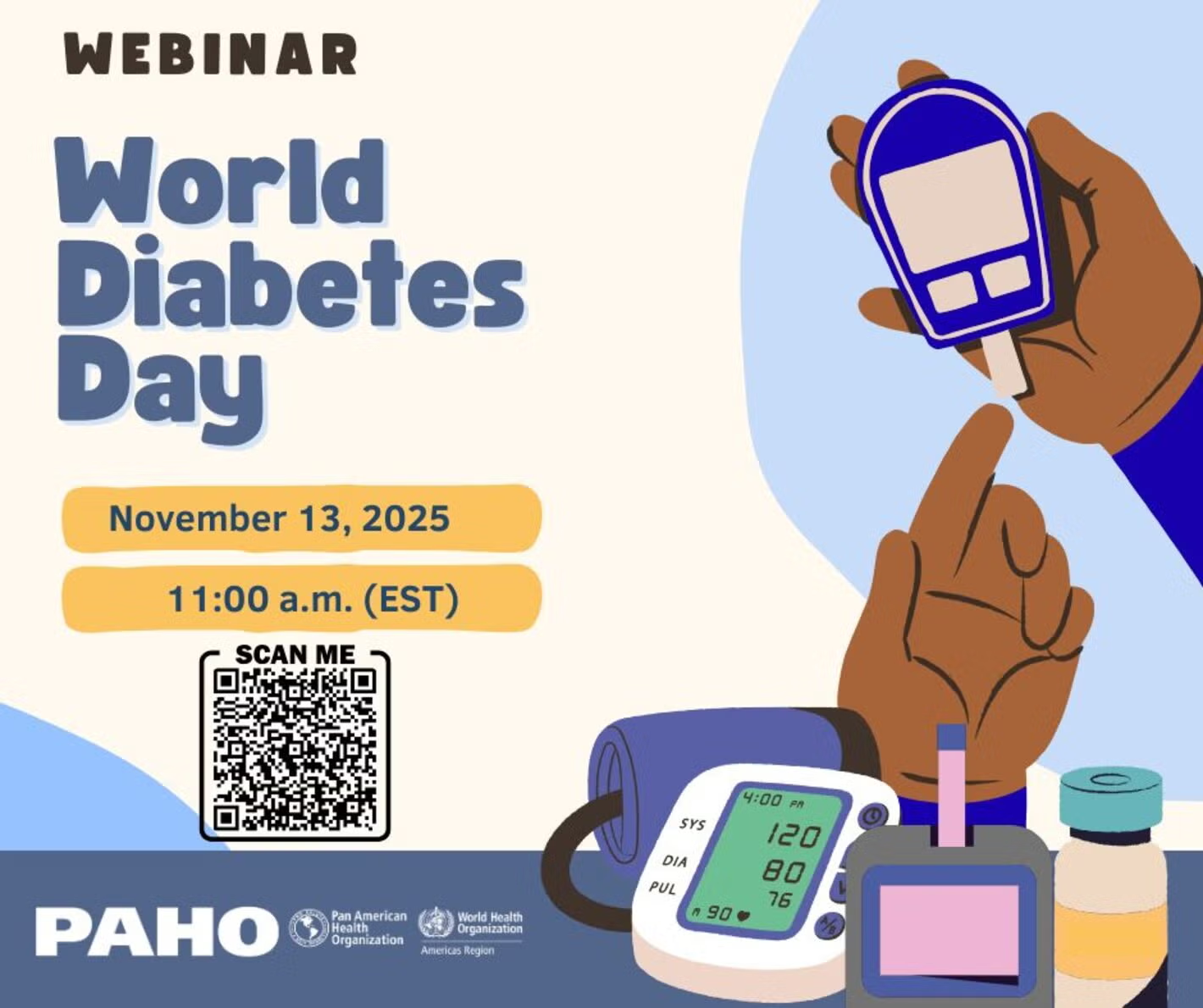
World Diabetes Day Event
Join us on Thursday, November 13, 2025, at 11:00 a.m. (Washington, DC, EST) for the World Diabetes Day commemoration event. PAHO is organizing this webinar to highlight the burden of diabetes as a public health issue, and the challenges and opportunities in the Region to improve diabetes management. This webinar will also introduce new PAHO resources on diabetes, including the availability of diabetes medicines and technologies through the PAHO Strategic Fund.
Webinar objectives:
- Describe the burden of diabetes in the Americas;
- Present a new PAHO virtual course on diabetes for primary health care providers, along with other available educational resources;
- Highlight the PAHO Strategic Fund as a mechanism to expand access to diabetes medicines and technologies; and
- Share country perspectives on improving diabetes management.
How to participate
- DAY: Thursday, November 13, 2025
- TIME: 11:00 A.M. (EST or Washington, D.C. time) [check the local time in other cities at the end of this page]
- LANGUAGES: Spanish, English, and Portuguese with simultaneous translation.
- REGISTRATION: https://paho-org.zoom.us/webinar/register/WN_09jWtlsvQfOsYOYjgdQ4Dw
Agenda
- 11:00 a.m. Welcome remarks
- Anselm Hennis, Director, Department of Noncommunicable Diseases and Mental Health, PAHO
- 11:05 a.m. Diabetes in the Americas and educational resources at PAHO
- Carmen Antini, Advisor, Diabetes Prevention and Control, PAHO
- 11:25 a.m. Diabetes medicines and technologies in the PAHO Strategic Fund
- Nora Giron, Technical Officer, PAHO Strategic Fund/Regional Revolving Funds
- 11:45 a.m. Countries’ perspectives on improving diabetes management in primary care
- Jisela Ibarra, Head of the Adult Health Section, Department of Health and Comprehensive Care for the Population, General Directorate of Public Health, Ministry of Health of Panama.
- 12:00 p.m. Closing remarks
- Silvana Luciani, Unit Chief, Noncommunicable Diseases, Violence, and Injury Prevention, PAHO
Time in other cities
- 8:00 a.m. – Los Angeles, Vancouver
- 10:00 a.m. – Belmopan, Guatemala City, Mexico City, Managua, San José (CR), San Salvador, Tegucigalpa
- 11:00 a.m. – Bogotá, Panama City, Kingston, Havana, Lima, Nassau, Ottawa, Port-au-Prince, Quito, Washington D.C.
- 12:00 p.m. – Bridgetown, Caracas, Castries, Georgetown, La Paz, Port of Spain, San Juan, Santo Domingo, Saint George´s, Saint John´s
- 1:00 p.m. – Asunción, Buenos Aires, Brasilia, Montevideo, Paramaribo, Santiago
- 5:00 p.m. – Geneva, Madrid
- For other cities, check the local time at this link.
Why is diabetes important?
- The number of people aged 18 and over living with diabetes worldwide increased from 197 million in 1990 to 828 million in 2022.
- In the Region of the Americas, the number of people aged 18 and over with diabetes reaches 112 million. Of these, 105 million are 30 years of age or older. These numbers could be even higher, as approximately 40% of people with this disease are unaware of their condition.
- Treatment coverage for people with diabetes remains a significant gap. In the Region of the Americas, treatment coverage for people aged 30 and over with diabetes reaches 58%. That is, only 58 out of every 100 people with the disease receive the treatment they require.
- The burden of disease associated with diabetes is enormous and growing: in just 20 years, diabetes mortality has increased by over 50% globally. In the Region of the Americas, diabetes is the sixth leading cause of death and the fifth leading cause of years of life lost prematurely.
- In the Region, diabetes (including diabetes-related kidney disease) causes the loss of approximately eight million years of life due to premature death each year. Currently, diabetes is the fourth leading cause of disability and the third leading cause of disability-adjusted life years (DALYs), preceded only by ischemic heart disease and COVID-19.
“Stopping the progression of diabetes requires prevention, early detection, and timely treatment. Early action saves lives.”
Why is it difficult to control diabetes?
Diabetes management is becoming increasingly complex due to multiple factors, the main one being the increase in risk factors.
1. Increasing Risk Factors
The Americas is the region with the highest rate of overweight/obesity in the world and is among the top three regions with the highest rates of physical inactivity:
- 68 out of every 100 adults are overweight or obese.
- 36 out of every 100 people have insufficient physical activity.
2. Increasingly Affected Children and Adolescents
The increase in risk factors for diabetes is also growing at younger ages:
- 19 out of every 100 children and 16 out of every 100 adolescents were living with obesity in 2022.
- 81 out of every 100 adolescents aged 11 to 17 did not get enough physical activity in 2019.
3. Barriers to Accessing Care and Treatment
- Treatment for diabetes and its complications can be expensive and often requires significant out-of-pocket expenses.
- Insulin is crucial for sustaining the lives of people with type 1 diabetes and many with type 2 diabetes, but it is not always available.
- In many countries, diabetes care is not included in universal health coverage; there are gaps in primary health care services and also in access to other levels of care.
Overcoming these barriers requires strengthening health systems, promoting healthy lifestyles, and ensuring equitable access to essential treatments and technologies.