 0
0
 0
0
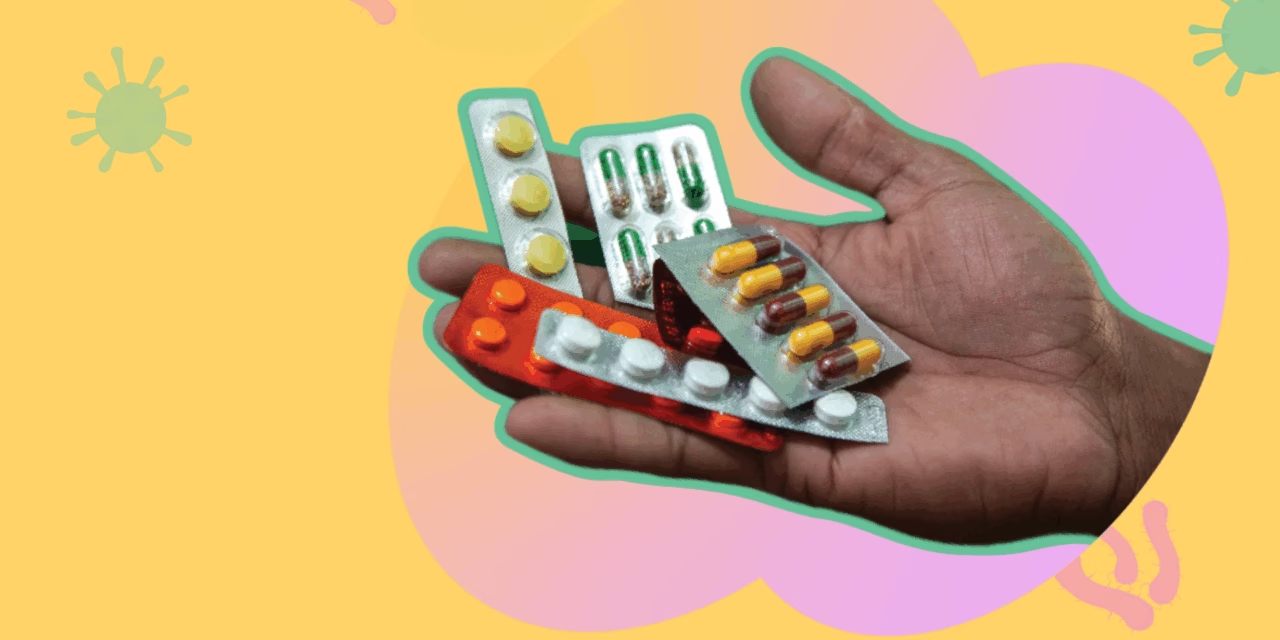
Antimicrobial Resistance (AMR) occurs when bacteria, viruses, fungi and parasites no longer respond to antimicrobial agents. As a result of drug resistance, antibiotics and other antimicrobial agents become ineffective and infections become difficult or impossible to treat, increasing the risk of disease spread, severe illness and death.
The World AMR Awareness Week (WAAW) is a global campaign to raise awareness and increase understanding of AMR and to promote global action to tackle the emergence and spread of drug-resistant pathogens. As one of WHO’s official health campaigns, WAAW is mandated by the World Health Assembly and is commemorated annually from 18 to 24 November.
The theme for WAAW 2025 is “Act Now: Protect Our Present, Secure Our Future.”
This theme underscores the urgent need to take bold, united action to address AMR. AMR is already harming our health, food systems, environment and economies. It’s not a future challenge. It is happening now. Drug-resistant infections are increasing, yet awareness, investment and action are still falling short.
Building on the momentum of the 2024 United Nations General Assembly High-level Meeting on AMR, this call to action urges all stakeholders, including governments, civil society, health-care providers, veterinarians, farmers, environmental actors and the public to translate the political commitments into tangible, accountable, life-saving interventions. To “protect our present and secure our future”, we must prioritize long-term investment and strategic action in the human, animal and environmental health sectors. Strengthening surveillance, ensuring equitable access to quality medicines and diagnostics, fostering innovation and building resilient systems all require long-term commitment and resources.
Investment in AMR action is a smart move for a safer, healthier future. Whether it’s a hospital administrator setting up an antimicrobial stewardship team or a farmer adopting sustainable waste management practices, every action counts. No matter your role – whether shaping policy, delivering care, protecting ecosystems or raising awareness, “Act Now: Protect Our Present, Secure Our Future” is a shared responsibility. Together, we can keep antimicrobials effective and build a healthier, more sustainable world for the generations to come.
Antimicrobial resistance (AMR) is invisible. I am not.
Sharing real-life stories to encourage global action against antimicrobial resistance
Since their discovery a century ago, antimicrobial medicines – including antibiotics, antifungals, antivirals, and antiparasitics – have significantly extended average life expectancy. Every day, these essential medicines save millions of lives.
Until they don’t.
Antimicrobial resistance (AMR) occurs when bacteria, viruses, fungi and parasites no longer respond to antimicrobial medicines. As a result, antibiotics and other antimicrobial medicines become ineffective, making infections harder or impossible to treat and increasing the risk of disease spread, severe illness, and death.
The situation is more critical than it appears.
AMR is directly responsible for 1.3 million deaths and contributes to 5 million deaths every year. But this is just the start. AMR also threatens our economic future, with an estimated global annual cost of up to US$3.4 trillion by 2030 and 28 million people pushed to poverty by 2050.
But what does it really mean?
Behind every number, there is real, human cost.
Limited treatment options, extended hospital stays, constant medication, prolonged loss of income, medical debt, poverty, family loss, grief… The burden keeps adding up, and lives are seriously impacted, in some cases fatally.
It can happen to anyone, anywhere. Even if you’re in good health, a minor injury, routine surgery, or a common lung infection could unexpectedly escalate into a life-threatening situation. For those with pre-existing conditions like cancer, HIV, or diabetes, an untreatable infection could emerge as a dangerous second threat, striking when least expected.
Speaking out against AMR
Antimicrobial resistance is invisible, but its victims are not. 12 survivors and advocates share their stories, urging awareness and action to stop AMR in its tracks.
A global challenge for public health and food security
AMR poses a threat to global health, food security, and achieving the 2030 Sustainable Development Goals. AMR puts a strain on health systems by diminishing the effectiveness of treatments, leading to prolonged illnesses and increased healthcare costs. Simultaneously, AMR poses a threat to food security as it can spread through the food chain, impacting both animal and human health and causing economic losses in the agricultural sector.
Similar to COVID-19, drug-resistant infections know no borders. And no single country or individual can fight AMR alone.
Together, we should ensure the international community sets ambitious goals during high-level meetings on AMR and that countries allocate sufficient resources to meet AMR national action plans.
By sharing real-life experiences of AMR, we aim to illustrate its tangible impact and promote global action. WHO urges governments, NGOs, civil society groups, youth and student organizations, universities, healthcare professionals, private stakeholders and media to act and engage local communities in raising awareness around this global health crisis.