 0
0
 0
0
New Delhi | January 14, 2026
As a relentless cold wave grips the National Capital Territory, medical experts at the All India Institute of Medical Sciences (AIIMS) are sounding an urgent alarm. The convergence of plummeting temperatures and hazardous air quality has triggered a significant surge in emergency admissions for cardiovascular events and acute respiratory distress.
For residents of Delhi, the winter air is no longer just a seasonal discomfort; it has become a physiological stressor. Data from AIIMS reveals a sharp uptick in cases of myocardial infarction (heart attacks), stroke, and acute exacerbations of Chronic Obstructive Pulmonary Disease (COPD) and asthma.
The Cardiovascular Toll: Why Cold is Hard on the Heart
The relationship between cold weather and heart health is well-documented but becomes particularly dangerous when combined with Delhi’s “Grey Skies.”
Prof. Rajiv Narang, Head of the Department of Cardiology at AIIMS, explains that the body’s natural response to cold is to preserve heat by constricting blood vessels (vasoconstriction). While this keeps the core warm, it narrows the pathways for blood flow, forcing the heart to work harder to pump blood through the body.
“Especially during winter, there is a tendency for blood pressure to rise,” Dr. Narang noted in a recent briefing. “Many patients who previously had their blood pressure well under control now report an increase. If your BP exceeds 140/90 mmHg, you should consult your doctor immediately.”
The danger is two-fold: cold air increases blood viscosity (thickness), making clots more likely, while the physical stress of the cold can rupture existing arterial plaques, leading to sudden heart attacks.
Practical Heart Protection:
-
Monitor at Home: Dr. Narang recommends checking blood pressure at least twice a week using a digital monitor.
-
The 11:00 AM Rule: Avoid the “morning walk” ritual. Peak cold and peak pollution levels typically occur at dawn. Experts advise moving outdoor activities to after 11:00 AM when the sun has mitigated some of the chill and the smog layer has lifted slightly.
Respiratory Crisis: Bronchospasms and the “Smog Effect”
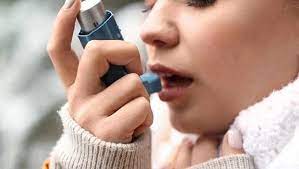
While the heart struggles with pressure, the lungs are battling inflammation. Dr. Sanjeev Sinha, Professor of Medicine at AIIMS, highlights that inhaling frigid air can trigger “bronchospasm”—a sudden constriction of the muscles in the walls of the bronchioles.
“When a patient inhales cold air, the airways can narrow or close, leading to immediate difficulty in breathing,” says Dr. Sinha. This is particularly perilous for the millions of Delhi residents living with COPD or asthma.
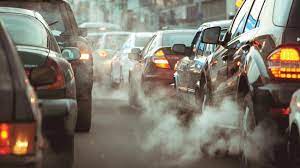
The situation is exacerbated by particulate matter (PM2.5). These tiny particles bypass the lung’s natural filters and enter the bloodstream, triggering systemic inflammation. AIIMS reports that many patients are presenting with “acute exacerbations”—a sudden worsening of symptoms that often requires hospitalization or supplemental oxygen.
Vulnerable Populations: The Young and the Elderly
The “twin crisis” does not affect everyone equally. Geriatric and pediatric populations face the highest risks due to less efficient thermoregulation and developing (or declining) immune systems.
The Elderly
Dr. Abhijith R. Rao of the Department of Geriatric Medicine at AIIMS emphasizes that for the elderly, maintaining core body temperature is a medical necessity, not just a matter of comfort. “Avoid going out in the early morning or late evening,” he warns, noting that hypothermia can set in more rapidly in seniors, further straining the heart.
Children
Prof. Rakesh Lodha, a leading pediatrician, notes that children breathe more rapidly than adults, meaning they inhale more pollutants per pound of body weight. “Young children are particularly vulnerable to cold exposure. They must be properly covered, including a cap for the head and scarves to pre-warm the air they breathe,” Dr. Lodha advises.
Navigating the Winter: A Survival Guide
Public health experts suggest a multi-layered approach to surviving the Delhi winter:
| Risk Factor | Recommended Action |
| Rising Blood Pressure | Reduce salt intake; monitor BP twice weekly; stay hydrated. |
| Pollution Exposure | Use N95 masks when outdoors; use HEPA air purifiers indoors if possible. |
| Cold Air Trigger | Breathe through the nose (which warms air) or wear a scarf over the mouth. |
| Physical Activity | Switch to indoor exercises (yoga, stationary cycling) during peak smog days. |
Limitations and Looking Ahead
While the link between cold/pollution and health outcomes is clear, researchers note that individual “thresholds” vary. Not everyone exposed to the cold wave will suffer a cardiac event. However, the cumulative stress of Delhi’s environment means that even healthy individuals may experience reduced lung function or increased systemic inflammation over time.
“The data is a wake-up call,” says a public health observer. “We are seeing a seasonal ‘hospital surge’ that is becoming predictable, yet no less deadly.”
As the cold wave is expected to continue for another week, doctors urge the public not to ignore minor symptoms. Shortness of breath, unusual fatigue, or a persistent “winter cough” should be evaluated by a professional before they escalate into an emergency.
Would you like me to create a printable checklist of these “winter-safe” habits for you to share with family or colleagues?
Medical Disclaimer
This article is for informational purposes only and should not be considered medical advice. Always consult with qualified healthcare professionals before making any health-related decisions or changes to your treatment plan. The information presented here is based on current research and expert opinions, which may evolve as new evidence emerges.
References
- https://www.morungexpress.com/cold-wave-and-pollution-surging-heart-diseases-copd-asthma-cases-in-delhi-aiims