 0
0
 0
0
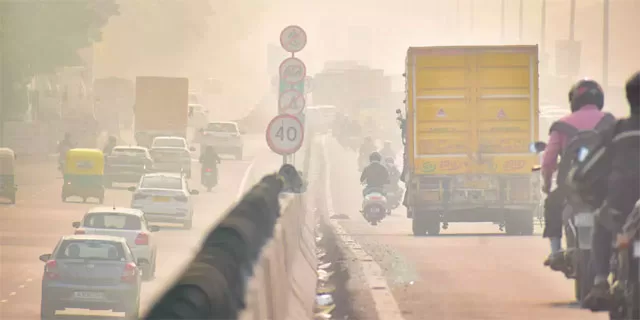
As the much-anticipated winter descends upon the Delhi-National Capital Region (NCR), residents are confronting an alarming health challenge beyond the seasonal chill: increasingly toxic air. Recent reports reveal the Air Quality Index (AQI) spiking towards the 400 mark in many parts of the capital, plunging the city into what experts classify as the “severe” pollution category. This hazardous air quality poses significant respiratory and cardiovascular risks for all, especially vulnerable groups such as children, the elderly, and those with pre-existing health conditions.
Key Findings on Air Quality Deterioration
According to the Central Pollution Control Board (CPCB) and other air monitoring stations, several areas across Delhi reported AQI readings exceeding 400 in early November 2025. For instance, Wazirpur recorded an AQI of 420, Burari 418, Vivek Vihar 411, and Anand Vihar 408. These figures reflect a dangerously poor air environment, largely attributed to a combination of falling temperatures, stagnant winds, persistent smog, and pollution traps caused by geographic and meteorological factors. The India Meteorological Department (IMD) predicts a sustained minimum temperature around 13 degrees Celsius for the coming week, conditions that further intensify pollutant accumulation near ground level without adequate dispersion.
Expert Perspectives on the Health Impact
Dr. Neetu Jain, Senior Consultant in Pulmonology and Critical Care, emphasizes that this surge in particulate matter and gaseous pollutants can severely impair lung function and exacerbate respiratory illnesses. “When the AQI crosses into the severe range, the concentration of fine particulate matter (PM2.5), nitrogen dioxide (NO2), and sulfur dioxide (SO2) rises to levels that inflame airways, reduce lung efficiency, and increase the likelihood of infections like bronchitis and pneumonia,” she explains. These pollutants are not just irritants but potent triggers for chronic diseases such as asthma and chronic obstructive pulmonary disease (COPD).
Adding to the concern, cardiologist Dr. Arvind Kumar notes, “There is robust evidence linking high pollution exposure to increased risks of heart attacks, strokes, and even premature mortality. The particulate matter can penetrate blood vessels causing inflammation and oxidative stress, which contribute to cardiovascular events.” These comments echo findings from numerous peer-reviewed studies published in journals like Environmental Health Perspectives and the British Medical Journal.
Context and Background
Delhi-NCR’s winter air pollution challenges have been longstanding, exacerbated by factors such as vehicular emissions, industrial pollution, crop residue burning in neighboring states, and low wind speeds during winter that prevent pollutant dispersal. Efforts to remediate the situation have included sporadic measures such as cloud seeding for artificial rainfall and deployment of water sprinklers to suppress dust. However, these have only met limited success as humidity levels necessary for effective cloud seeding remain insufficient.
The health toll of such pollution is documented extensively. The World Health Organization (WHO) attributes millions of premature deaths globally each year to air pollution exposure, primarily through respiratory and cardiovascular diseases. Ambient air pollution ranks as one of the top environmental risks to health worldwide.
Implications for Public Health and Daily Life
For the general public, especially those living in highly polluted urban centers like Delhi, understanding the daily health risks is crucial. When AQI reaches severe levels (above 300), health authorities advise reducing outdoor activities, using protective masks such as N95 respirators, and employing indoor air purifiers where possible. People with pre-existing lung or heart conditions should exercise heightened caution and follow medical advice closely.
Public health experts stress the need for comprehensive policy interventions targeting emission sources, improved public transport, stricter industrial regulations, and increased green cover. Community awareness campaigns about pollution’s health risks and preventive practices are equally vital.
Potential Limitations and Counterarguments
While the severe AQI readings are a cause for concern, some argue that short-term spikes in pollution are partly seasonal and partly unavoidable due to meteorological conditions. Critics also point out that individual-level protective measures cannot substitute long-term structural changes needed to solve the crisis permanently. Further, air quality measurements can vary by location and time, making public advisories complex to tailor accurately.
Medical Disclaimer
This article is for informational purposes only and should not be considered medical advice. Always consult with qualified healthcare professionals before making any health-related decisions or changes to your treatment plan. The information presented here is based on current research and expert opinions, which may evolve as new evidence emerges.
References
- https://www.thehansindia.com/amp/news/national/winter-chill-in-delhi-ncr-marred-by-poor-air-quality-as-aqi-nears-400-1021689
- https://www.deshsewak.org/english/news/228381
- https://www.indiatoday.in/cities/delhi/story/delhi-chokes-as-aqi-breaches-400-in-several-area-city-enters-red-zone-with-severe-pollution-levels-2815911-2025-11-08