 0
0
 0
0
(May 1, 2025)
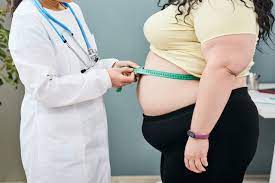
For women with polycystic ovary syndrome (PCOS), stubborn abdominal fat-often dubbed “PCOS belly”-is more than a cosmetic concern. New insights reveal why shedding this visceral fat is uniquely difficult and how targeted lifestyle changes can break the cycle.
The Science Behind “PCOS Belly”
PCOS, a hormonal disorder affecting 1 in 10 women of reproductive age, disrupts insulin sensitivity and androgen levels. Insulin resistance, present in up to 80% of cases, drives glucose storage as visceral fat-the deep abdominal fat linked to inflammation and metabolic risks. Elevated cortisol (stress hormone) and gut microbiome imbalances further exacerbate weight retention and bloating.
Health Risks Go Beyond Appearance
Visceral fat in PCOS raises the risk of type 2 diabetes, heart disease, and metabolic syndrome. Chronic inflammation and hormonal imbalances also contribute to mental health challenges, including anxiety and depression.
Effective Strategies to Manage PCOS Belly
-
Dietary Adjustments:
-
Focus on whole foods, lean proteins, and low-glycemic carbs (e.g., legumes, non-starchy veggies).
-
Reduce processed sugars to stabilize blood glucose.
-
-
Exercise:
-
Both HIIT and moderate workouts improve insulin sensitivity and lower testosterone.
-
Aim for 150 minutes of weekly moderate activity, plus strength training.
-
-
Stress Management:
-
Yoga, meditation, and deep breathing curb cortisol spikes.
-
Prioritize 7–9 hours of sleep nightly to regulate hormones.
-
-
Supplements and Medications:
-
Inositol, vitamin D, and berberine show promise for insulin resistance.
-
Consult a doctor about metformin or hormonal contraceptives for symptom control.
-
The Role of Professional Guidance
Experts warn against one-size-fits-all solutions. “Managing PCOS requires a holistic plan tailored to individual needs,” says the NHS-backed report. Registered dietitians and endocrinologists can provide evidence-based strategies, while pharmacists should review supplements for safety.
Disclaimer
This article synthesizes information from a Medical Xpress report (originally published by The Conversation) that has been fact-checked and edited for credibility. Always consult a healthcare provider before making changes to your diet, exercise routine, or medication regimen. Individual results may vary.
Source: Adapted from Why losing belly fat with PCOS can be difficult, and what helps (Medical Xpress, April 30, 2025). Read the original article here.
Citations: