 0
0
 0
0
Mumbai, May 26:
Despite decades of medical progress and growing public awareness, menstruation—an essential and natural biological process—remains shrouded in silence, shame, and stigma across much of society. Even in 2025, the word “period” is often uttered in hushed tones, and many young girls continue to feel embarrassed about an experience that is not only normal but vital to reproductive health.
A Persistent Taboo
Menstruation is not an illness; it is a sign of reproductive health experienced by every woman during her fertile years. Yet, cultural taboos and misconceptions persist. In both rural India and urban centers, myths and misinformation force girls to skip school, avoid social interactions, and sometimes even stay isolated during their periods. The impact is profound: poor menstrual hygiene can lead to health problems, lower self-esteem, and lost educational opportunities.
The Need for Education and Support
Experts and advocates agree that menstrual hygiene education is key to breaking the cycle of stigma. Teachers, healthcare workers, parents, and caregivers must work together to ensure every girl receives accurate information, access to sanitary products, and the confidence to manage her period safely and with dignity.
Do’s for a Healthy Menstrual Journey:
-
Educate young girls about the menstrual cycle and bodily changes.
-
Normalize open conversations about periods to eliminate fear and shame.
-
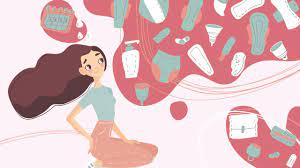
Inform girls about all available menstrual hygiene products—cloth pads, sanitary pads, tampons, and menstrual cups—so they can choose what’s best for them.
-
Emphasize cleanliness: daily bathing, keeping the pelvic area dry, and changing hygiene products every 4–8 hours.
-
Promote safe and eco-friendly disposal of sanitary products.
-
Encourage regular health checkups and awareness of infection symptoms.
-
Advocate for HPV vaccination to prevent cervical cancer.
-
Recommend staying hydrated and wearing breathable, cotton clothing during periods.
Don’ts to Avoid Harm and Misinformation:
-
Do not isolate or shame women during menstruation.
-
Avoid improper disposal of sanitary products.
-
Never use products stored in unhygienic conditions or leave tampons in too long.
-
Say no to scented washes and synthetic innerwear, which can disrupt vaginal health.
-
Discard food myths and superstitions—good nutrition and rest are essential.
A Day to Break the Silence
Every year on May 28, the world observes Menstrual Hygiene Day—a global platform dedicated to breaking taboos, spreading awareness, and ensuring access to sanitary products, especially for underserved communities. Supporting this cause can help reduce school dropouts, improve health outcomes, and empower girls to embrace their womanhood with pride.
It’s time to end the whispers and start the conversation. Periods are not a curse—they are a sign of strength, health, and life itself.
Disclaimer:
This article is for informational purposes only and does not substitute for professional medical advice, diagnosis, or treatment. Please consult a healthcare provider for guidance specific to your health and circumstances.