 0
0
 0
0
The World Health Organization (WHO) has issued a stark warning about an escalating measles outbreak in Afghanistan amidst the onset of the cold season, urging parents to urgently vaccinate children under five to prevent further spread and fatalities. The announcement comes in early November 2025 from WHO offices monitoring the outbreak within Afghanistan’s healthcare system challenges.
Key Developments and Findings
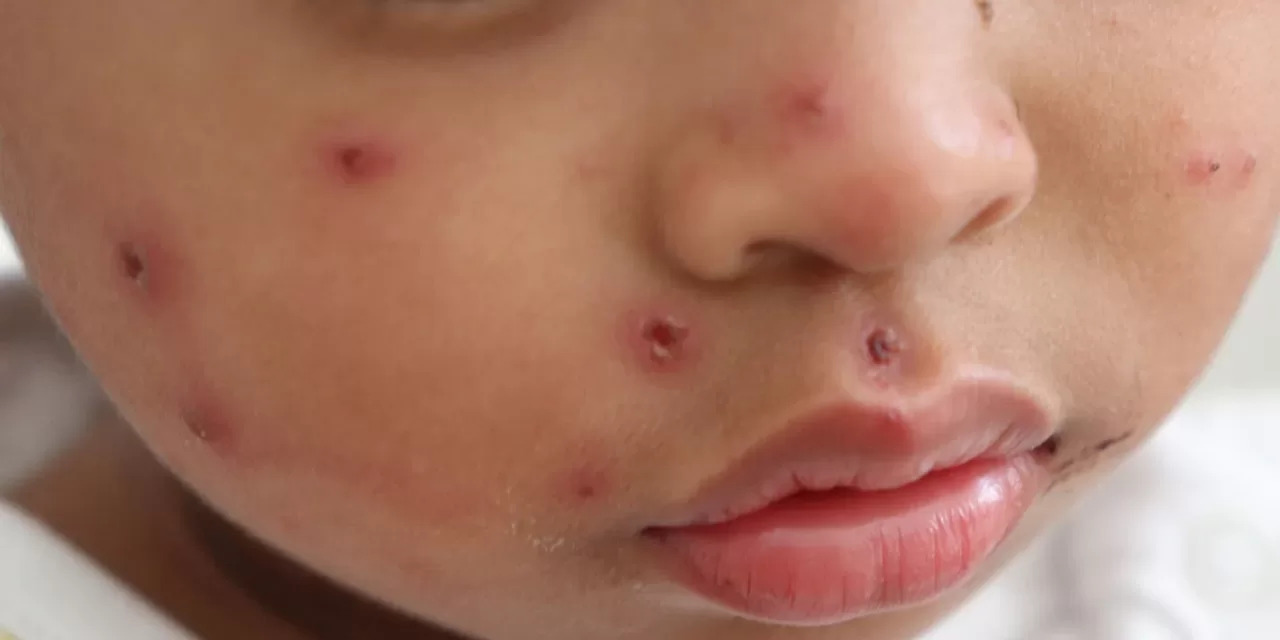
WHO reported a significant rise in measles infections in Afghanistan this season, with recent months witnessing several child deaths attributed to the contagious viral disease. In 2024 alone, Afghanistan recorded over 9,300 measles cases, and by August 2025, an additional 8,500 cases had emerged. The number of outbreaks increased from 127 in 2023 to 430 in 2024, with approximately 92% of cases occurring in children under 10 years. These alarming figures are linked to gaps in vaccination coverage; prior to a nationwide immunization campaign, only 55% of Afghan children had received the first measles vaccine dose and just 44% the second. Malnutrition and limited healthcare access compound children’s vulnerability to measles and other infections.
WHO emphasizes that vaccination remains the most effective intervention to stop measles transmission and prevent severe, sometimes fatal, disease outcomes. The agency has called on families to bring children aged under five to local health centers nationwide to receive free measles vaccines without delay. Health authorities in Nangarhar province recently launched a 10-day vaccination drive targeting high-risk populations to contain the outbreak.
Expert Perspectives and Commentary
Dr. Amina Khan, a pediatric infectious disease expert unaffiliated with WHO, highlights the urgency: “Measles is a highly contagious virus that can cause serious complications in young children, including pneumonia and encephalitis. Vaccination programs save millions of lives globally every year and are critical in fragile healthcare settings like Afghanistan to prevent outbreaks and deaths.”
Dr. Khan cautions that weakened health infrastructure and ongoing conflict in Afghanistan hamper routine immunization efforts. “Without sustained vaccination coverage, measles epidemics are cyclic and can overwhelm healthcare resources,” she said. Maintaining herd immunity through at least 95% vaccination coverage with two doses is essential for controlling measles spread.
Context and Public Health Background
Measles is a highly contagious viral disease that spreads through respiratory droplets. Despite being preventable by a safe and inexpensive vaccine introduced in the 1960s, and widespread vaccination success worldwide, measles remains a major cause of child mortality in low-income countries with weak health infrastructures. Complications can include blindness, pneumonia, encephalitis, and death, particularly among malnourished children.
Afghanistan’s fragile healthcare system, disruption due to conflict, and malnutrition contribute to low vaccine coverage and a high risk of outbreaks, which threaten hard-won global measles control gains. Worldwide, measles deaths have dropped dramatically over recent decades due to vaccination efforts, but resurgence in areas with declining immunization risks reversing progress.
Implications for Afghan Public Health and Beyond
The current outbreak underscores critical gaps in routine vaccination and the urgent need for sustained immunization campaigns in Afghanistan, a country with a population where many children remain vulnerable. WHO’s renewed call aims to mobilize communities and healthcare efforts to immunize all susceptible children rapidly.
For Afghan parents and caregivers, the priority is to vaccinate children as soon as possible, ideally with two doses of the measles vaccine for full protection. Health workers and aid agencies must also address malnutrition and expand healthcare access to reduce vulnerability to infections.
Potential Limitations and Challenges
While vaccination is key, challenges exist including vaccine access in remote or insecure areas, misinformation, and health system constraints. Continued international support and local interventions will be necessary to ensure vaccine availability and public trust.
Moreover, vaccine immunity may not develop fully after the first dose in about 15% of children, which necessitates a second dose for enhanced protection. Monitoring and surveillance remain vital to identifying cases and responding swiftly to outbreaks.
Practical Guidance for Readers
Parents should prioritize measles vaccination for children under five, ensure completion of the full two-dose schedule, and seek prompt medical attention for symptoms such as fever, rash, cough, or eye redness. Vaccination not only protects the individual child but also prevents transmission within communities.
Medical Disclaimer
This article is for informational purposes only and should not be considered medical advice. Always consult with qualified healthcare professionals before making any health-related decisions or changes to your treatment plan. The information presented here is based on current research and expert opinions, which may evolve as new evidence emerges.
References