 0
0
 0
0
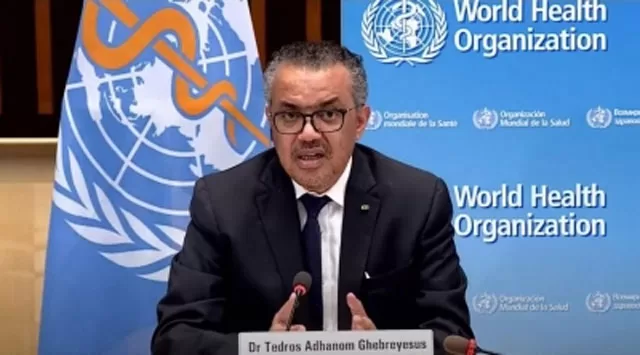
The World Health Organization (WHO) has issued a stark warning about severe funding shortfalls for health emergencies in 2026, describing the outlook as “really dire.” This financial crisis threatens the organization’s ability to respond to humanitarian health crises worldwide, with potentially devastating consequences for millions of vulnerable populations.
Key Developments and Findings
In 2025, WHO experienced a dramatic 40% reduction in funding for humanitarian emergencies compared to the previous year. Teresa Zakaria, WHO’s humanitarian and disaster action chief, revealed that this budget cut has forced the agency to make “very hard choices” about prioritizing aid, as over 300 million people globally require humanitarian assistance but resources are insufficient to meet the demand. Many health facilities supporting vulnerable communities have had to reduce services or close entirely, limiting access for 53 million people across multiple countries.
The funding shortfall is largely attributed to significant cuts in foreign aid by major donors, especially under President Donald Trump’s administration in the United States, traditionally the largest contributor to global health aid. Other major donor countries have also tightened their contributions, exacerbating the crisis. As a result, the WHO is now focusing its efforts on the most vulnerable populations living in the toughest conditions, yet the gaps remain significant.
Expert Perspectives and Context
Medical and humanitarian experts express grave concern over the implications of this funding crisis. Health services in fragile and conflict-affected regions, such as the Democratic Republic of Congo, Sudan, and Haiti, are already witnessing rising maternal mortality, malnutrition, and disruptions to essential health services. These disruptions may reverse years of progress in global health equity and increase avoidable deaths.
An independent report on WHO’s emergencies department highlights that the organization faced “existential threats” due to mounting crises and insufficient resources, forcing the need to seek emergency funds just to cover staff salaries. In 2023, the department responded to 72 major emergencies, including natural disasters, conflicts, and infectious disease outbreaks, accentuating the strain on its capacities.
WHO’s Health Emergencies Programme underscores the critical need for readiness and sustained funding to prepare for, prevent, and respond rapidly to emerging health threats. Their strategy focuses on building national capacities for health security, strengthening detection and response systems, and supporting health workers in high-risk settings.
Public Health Implications
The funding crunch has direct and indirect consequences for global health security. Reduced access to healthcare exacerbates disease transmission, worsens outcomes in epidemics, and hampers effective responses to outbreaks and natural disasters. Populations in humanitarian settings are among the most vulnerable, with higher exposure to health risks and limited access to essential services.
For the general public, this situation highlights the interconnectedness of global health: crises anywhere can rapidly affect health worldwide through disease spread and destabilization. It underscores the urgency of sustained financial and political commitment to global health emergency preparedness and response.
Limitations and Counterarguments
While the funding deficit is a pressing challenge, WHO and partners emphasize ongoing efforts to reform funding structures, improve efficiency, and strengthen country-level preparedness to mitigate impacts. Some argue that countries needing assistance must also bolster their own health systems and emergency management capabilities to reduce dependency on external aid.
Additionally, during emergent crises such as the COVID-19 pandemic, funding priorities can shift, impacting allocations for other health emergencies. This dynamic underscores the need for resilient and flexible health financing mechanisms globally.
Conclusion
The looming WHO funding shortfall for health emergencies in 2026 signals a critical juncture for global health security. Without increased investment and international cooperation, millions will face diminished access to lifesaving healthcare, threatening progress toward health equity and resilience against epidemics and disasters.
Medical Disclaimer: This article is for informational purposes only and should not be considered medical advice. Always consult with qualified healthcare professionals before making any health-related decisions or changes to your treatment plan. The information presented here is based on current research and expert opinions, which may evolve as new evidence emerges.
References: