 0
0
 0
0
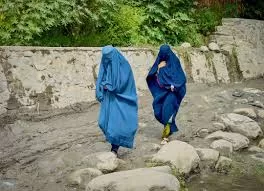
The World Health Organization (WHO) has issued an urgent appeal to the Taliban authorities in Afghanistan to lift restrictions on female aid workers following the devastating September 1, 2025, earthquake that struck eastern Afghanistan. The powerful 6.0 magnitude quake resulted in over 2,200 deaths and more than 3,600 injuries, severely impacting an already fragile healthcare system in a country grappling with multiple humanitarian crises since the Taliban assumed power in 2021. WHO warns that current restrictions on women aid workers—particularly the requirement for male guardianship and limitations on women’s movement—are severely hampering life-saving medical care for female survivors and exacerbating an already dire public health emergency.
Key Developments and Challenges
Dr. Mukta Sharma, WHO’s deputy representative in Afghanistan, highlighted the critical shortage of female healthcare staff in the affected areas. Estimates indicate that approximately 90% of medical personnel in the quake-hit regions are male, while the remaining female workers are primarily midwives and nurses rather than fully trained doctors who can treat severe wounds. Because of cultural norms and Taliban-imposed rules, many women fear or are unable to seek treatment from male doctors, creating a disastrous gap in medical care. Without female health workers capable of traveling independently to reach isolated or conservative communities, female survivors face significant barriers to accessing essential medical and mental health services.
The Taliban administration, which enforces strict gender restrictions in line with its interpretation of Islamic law, ordered Afghan female NGO staff to cease working outside the home in 2022. While some exceptions have been granted, particularly in health and education sectors, these are insufficient to meet the surge in demand caused by the earthquake emergency. No formal exemption has been provided for female aid workers to bypass male guardianship requirements, leading many organizations and female staff to avoid taking risks that could impede the delivery of effective help.
Contextual Background on Gender and Healthcare in Afghanistan
Afghanistan’s healthcare system has been severely strained under Taliban rule, compounded by substantial cuts to international aid, including significant funding reductions by the United States this year. Approximately 80 health facilities have closed in affected provinces due to funding shortfalls, and additional clinics have been damaged by the earthquake. These losses have compounded the challenge of delivering healthcare, especially to vulnerable groups such as pregnant women; the United Nations estimates that around 11,600 pregnant women were affected by the disaster in a country that already has one of the highest maternal mortality rates in Asia.
The systemic exclusion of women from public life and medical training worsens these challenges. Since 2022, Taliban policies have barred girls from attending high school and university, effectively halting new generations of female doctors and medical workers. With female health professionals increasingly absent, many female survivors remain invisible in rescue and treatment efforts, underscoring how gender-based restrictions deepen humanitarian crises beyond the physical destruction caused by natural disasters.
Expert Perspectives and Calls to Action
Public health experts outside the conflict zone emphasize the critical importance of female healthcare workers in emergency response. Dr. Susan Ferguson, UN Women’s special representative for Afghanistan, reiterated that women and girls will bear the brunt of the disaster unless their needs and rights are prioritized in relief efforts. A sustainable and effective health response requires the participation of female professionals who can culturally and comfortably attend to women trauma survivors.
Dr. Sharma of WHO stressed that, beyond immediate physical injuries, mental health care for women coping with trauma and loss is an urgent need. Women who have lost male guardians through death now face compounded movement and access restrictions, increasing their vulnerability.
Implications for Public Health and Recovery
Failure to address these gender-based barriers could prolong suffering and increase mortality and morbidity among Afghan women. Without equitable access to care, including skilled female healthcare providers, women may forego treatment for critical injuries, pregnancy complications, or mental health conditions, leading to long-term negative impacts on individual and community health.
The call from WHO for Taliban authorities to grant formal exemptions to female aid workers is a necessary step to improve care delivery in the quake-affected regions. It also serves as a broader reminder that humanitarian and health interventions must adapt to sociopolitical realities to be effective, especially in conflict-affected areas where gender norms shape access.
Potential Limitations and Counterarguments
While the Taliban publicly asserts respect for women’s rights within its interpretation of Islamic law, enforcement remains inconsistent, with many aid organizations reporting continued restrictions that limit female workers’ mobility and participation. Some within the Afghan administration and Taliban ranks may resist relaxing these rules, citing religious or cultural grounds, thus complicating advocacy efforts.
Furthermore, security concerns and logistical challenges in remote mountainous terrain combine with these sociopolitical restrictions to hinder aid delivery holistically, not just for women but the broader affected population.
Conclusion
The tragic earthquake has brought to light the critical intersection of humanitarian need and gender rights in Afghanistan’s ongoing crisis. For effective health responses, the inclusion of female aid workers and removal of paternalistic restrictions is essential. International pressure led by organizations such as WHO must persist to enable women healthcare professionals to save lives and support recovery. Inclusive health care access remains a cornerstone for building resilience in disaster-affected communities and for protecting humanity amid Afghanistan’s complex and evolving emergency.
Medical Disclaimer: This article is for informational purposes only and should not be considered medical advice. Always consult with qualified healthcare professionals before making any health-related decisions or changes to your treatment plan. The information presented here is based on current research and expert opinions, which may evolve as new evidence emerges.
References