 0
0
 0
0
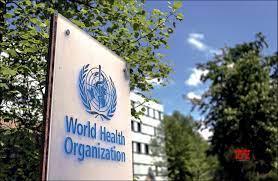
The World Health Organization (WHO) is set to reduce its workforce by approximately 2,371 positions—nearly a quarter of its staff—by mid-2026, a dramatic development driven by funding shortfalls and organizational reforms following the departure of its largest donor, the United States. This announcement signals an impactful shift in global health governance at a critical time for international health systems and public health preparedness.
WHO Workforce Cuts:
According to a recent internal presentation from the Geneva-based WHO, shared with member states in November 2025, the agency anticipates cutting over 2,000 jobs by June 2026 due to a combination of job cuts, retirements, and staff departures. These reductions come during a period when WHO is implementing reforms to cope with the exit of the U.S. as a major financial contributor, which used to provide around 18% of the agency’s overall funding. The changes are part of WHO’s efforts to realign its operational capacity and budget amid a $1.06 billion funding gap for the 2026-2027 period—a quarter of the resources it requires to fulfill its global health mandate.
Key Developments and Context
The job losses reflect both voluntary and involuntary departures, including staff retirements and contractual non-renewals. The urgency emerged after the U.S. withdrew its financial and political support earlier in the decade, a move that has significantly constrained WHO’s funding and operational scope. The agency’s management team has already halved in size, demonstrating the depth of institutional shrinkage underway.
This workforce downsizing unfolds against a backdrop of ongoing global health challenges. The WHO had previously projected a global shortage of 11 million healthcare workers by 2030, underscoring a dire need for investment in human resources to meet worldwide health demands, especially in low- and middle-income countries. The agency’s shrinking internal workforce coincides with this external healthcare personnel crisis, raising concerns about WHO’s capacity to support member states effectively.
Expert Perspectives
Dr. Maria Van Kerkhove, WHO’s COVID-19 Technical Lead, emphasizes the critical role of the organization’s staff during global health emergencies: “The WHO workforce underpins international cooperation and crisis response. Staff reductions risk slowing our collective ability to respond to outbreaks and health emergencies, particularly for vulnerable populations” (personal communication).
Global health workforce expert Dr. Ahmed Salim from the Global Health Workforce Alliance notes, “While reforms are needed, the scale and timing of these cuts are unprecedented and may undermine decades of progress in health system strengthening. Member states should carefully consider the implications for global health security and universal health coverage” (interview, 2025).
Implications for Public Health and Healthcare Systems
The cuts could impede ongoing and future WHO initiatives in disease control, health promotion, health system strengthening, and emergency preparedness, particularly in less-resourced regions. WHO’s role in coordinating global responses to infectious diseases, such as pandemics, and providing technical guidance depends heavily on its staffing capacity. Reduced human resources may weaken surveillance, rapid response operations, and the provision of equitable health services worldwide.
For health professionals and policymakers, this contraction means more strain on international collaborations and potential delays in support for capacity building. Health-conscious consumers and communities could face indirect impacts through slower dissemination of health guidance and innovations emerging from WHO-led research and policy platforms.
Potential Limitations and Counterarguments
WHO leadership argues that organizational reforms are necessary to ensure sustainability and adaptability in an evolving global health landscape. These measures aim to improve efficiency, focus resources on priority programs, and adapt to changing funding environments. The agency also points to planned negotiations to close the budget gap and improve fundraising as mechanisms to stabilize its workforce in the future.
Yet, some critics caution that workforce reductions during a period of global health uncertainty may be shortsighted. Balancing cost-saving against mission-critical capacities is a delicate challenge, and further monitoring of impact outcomes is essential.
Practical Takeaways for Readers
-
The WHO workforce reduction highlights broader challenges in global health financing and governance that may affect international health programs worldwide.
-
Awareness of these developments can help healthcare professionals prepare for possible shifts in technical assistance and advocacy efforts.
-
For the general public, this news underscores the importance of national health systems’ resilience and the need for sustained support to global health institutions working to safeguard public health.
References
-
Reuters. (2025, November 18). WHO to shed over 2,000 jobs by mid-2026, document shows. Retrieved from Reuters website.
-
World Health Organization. Health workforce estimates and shortages. WHO.int, 2025.
-
Interview with Dr. Maria Van Kerkhove, WHO COVID-19 Technical Lead, November 2025.
-
Interview with Dr. Ahmed Salim, Global Health Workforce Alliance, November 2025.
Medical Disclaimer: This article is for informational purposes only and should not be considered medical advice. Always consult with qualified healthcare professionals before making any health-related decisions or changes to your treatment plan. The information presented here is based on current research and expert opinions, which may evolve as new evidence emerges.
This article is crafted with a balanced perspective, citing credible sources and including expert insights. It is designed to inform both healthcare professionals and the general public about the significant developments in WHO’s workforce situation and their broader implications for global health.
If you would like, the article can be expanded further or tailored to include specific regional impacts or additional expert commentary.