 0
0
 0
0
May 2, 2025
In a major policy shift, the World Health Organization (WHO) is preparing to officially recommend the use of weight-loss medications for adults worldwide, according to an internal memo obtained by Reuters. This move marks the first time the UN agency has backed such drugs as part of its global strategy to combat obesity, a condition affecting more than a billion people across the globe.
Addressing a Global Health Crisis
Obesity remains a pressing health challenge, with the World Bank estimating that about 70% of obese individuals live in low- and middle-income countries. The new WHO guidance is expected to be finalized by August or September 2025 and will provide recommendations on how and when these medications can be integrated into a comprehensive approach to obesity management. This framework will emphasize both clinical treatments and lifestyle modifications.
Spotlight on GLP-1 Drugs
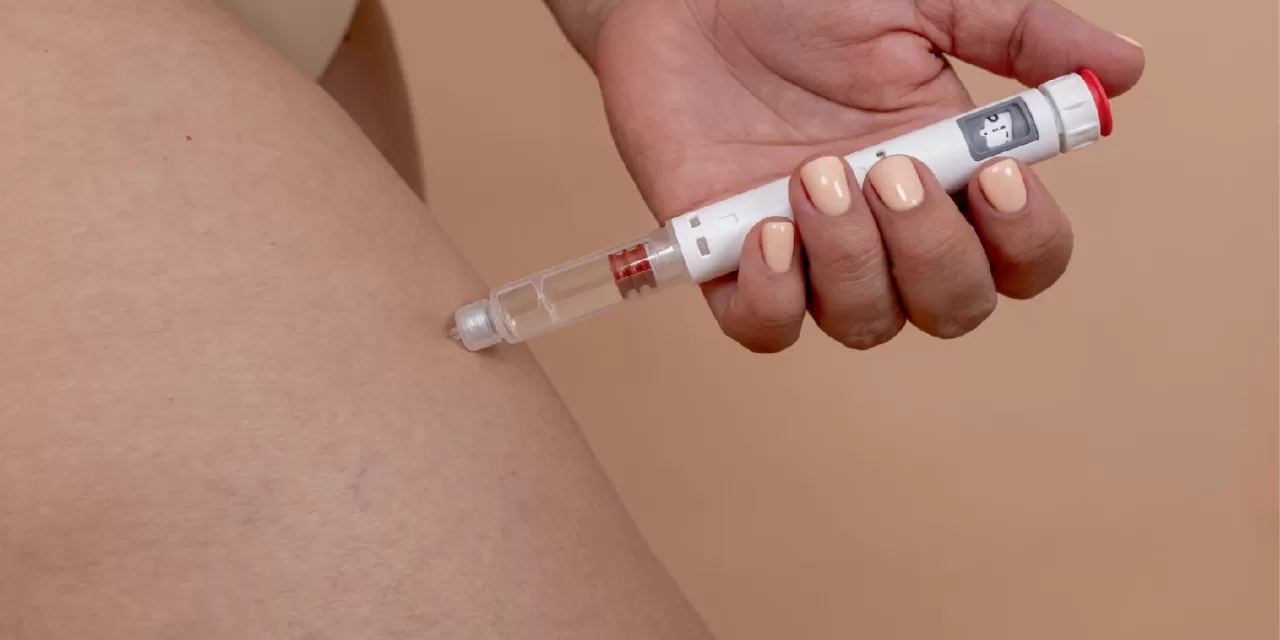
The medications at the center of this policy change-Novo Nordisk’s Wegovy and Eli Lilly’s Zepbound-are part of a class known as GLP-1 receptor agonists. These drugs mimic a hormone that slows digestion and increases feelings of fullness, helping patients lose between 15% and 20% of their body weight, according to clinical trials.
While these treatments are already available in wealthier nations like the United States, Germany, and the United Kingdom, their high monthly cost-often exceeding $1,000-has limited access in less affluent countries. Research also suggests that ongoing use may be necessary to maintain weight loss.
Push for Broader Access
Recognizing the financial barriers, WHO is urging the development of strategies to make these medications more accessible in low- and middle-income countries. The agency has suggested adopting large-scale access programs, such as tiered pricing or collective purchasing, similar to those that expanded access to HIV treatments in the early 2000s.
There is further hope for affordability as the key ingredient in Wegovy, semaglutide, is set to lose patent protection in some markets next year, paving the way for generic alternatives. Additionally, liraglutide, used in earlier weight-loss drugs, is already available as a low-cost generic in the U.S. and Europe.
Essential Medicines List Under Review
Next week, WHO experts will meet to discuss whether GLP-1 drugs should be added to the agency’s essential medicines list, which could further improve global access. In 2023, the drugs were not included due to questions about their long-term effectiveness, but the latest memo signals a shift toward broader acceptance.
Ongoing Concerns
Despite the endorsement, WHO has highlighted the need for more research into the long-term cost-effectiveness of these drugs, especially in resource-limited settings. The agency continues to advocate for a balanced approach that includes both medical and lifestyle interventions.
Disclaimer:
This article is based on information reported by Reuters and reflects the situation as of May 2, 2025. The WHO’s recommendations are subject to change as more evidence becomes available. For medical advice or treatment options, please consult a healthcare professional.
Citations: