 0
0
 0
0
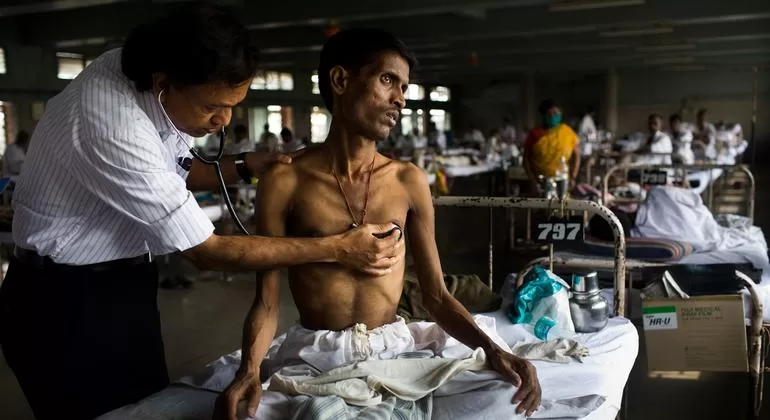
In October 2025, the World Health Organization (WHO) announced sweeping updates to its global tuberculosis (TB) treatment and prevention guidelines, incorporating evidence from ground-breaking research led by a Mangaluru doctor couple in India. These changes, launched in Geneva, spotlight nutrition as a central pillar of TB care, introduce shorter and more effective medication regimens, and signal a paradigm shift in how the world’s deadliest infectious disease is prevented and treated.
Key Developments and Findings
The revised guidelines are rooted in two major advances. First, the findings from the Reducing Activation of Tuberculosis by Improvement of Nutritional Status (RATIONS) trial demonstrated that food assistance to household contacts of TB patients dramatically lowers their risk of developing active disease. Second, new clinical trial data support the rollout of a 6-month, all-oral regimen—BDLLfxC—for multidrug-resistant TB (MDR-TB), replacing painful injectable treatments with safer, more effective drugs.
For the first time, WHO explicitly recommends:
-
Nutritional assessment and counseling for all TB patients and their household contacts.
-
Food and nutritional supplements for people with TB experiencing undernutrition, regardless of age, drug resistance status, pregnancy, or severity.
-
Targeted food assistance for household contacts of TB patients in food-insecure settings.
According to Dr. Tereza Kasaeva, Director of WHO’s Department for HIV, Tuberculosis, Hepatitis, and STIs, “Tuberculosis thrives on inequality, with undernutrition as a major driver… Integrating nutrition into comprehensive TB care is essential to breaking the cycle of disease and poverty”.
Expert Perspectives
Leading pulmonologists and infectious disease experts have praised the guideline changes. Dr. Harsha D.S., Professor at A.J. Institute of Medical Sciences, notes, “These evidence-based updates from WHO will make TB care far more patient-centric, especially in high-burden countries where malnutrition and poverty are common cofactors.” Dr. Kasaeva adds, “Every person affected by drug-resistant TB deserves access to the most effective treatment options, no matter where they live, so they can be cured and return swiftly to a healthy, productive life”.
Dr. Anurag Bhargava, who led the RATIONS trial, believes nutritional interventions could reshape TB prevention strategies globally. “Our community-based study supplied food baskets to families of TB patients in rural India and saw a notable reduction in new TB cases—this demonstrates the power of addressing social determinants in infectious disease control,” Bhargava stated.
Context and Background
TB remains a major public health challenge, with over 10 million cases and 1.3 million deaths annually worldwide (WHO Global TB Report 2024). Undernutrition is a leading risk factor, especially in low- and middle-income countries. The cycle of food insecurity and infection perpetuates illness and economic hardship.
Previously, TB treatment for drug-sensitive cases spanned six months, while drug-resistant TB often required longer, toxic injectable therapies. The 2025 guidelines:
-
Introduce a 4-month oral regimen for eligible drug-sensitive cases
-
Endorse the BDLLfxC 6-month all-oral regimen for MDR-TB and pre-XDR-TB
-
Recommend rapid molecular tests as the standard for diagnosis
-
Emphasize household-based preventive therapy and nutritional support.
Implications for Public Health
For healthcare professionals and policy-makers, the updated recommendations require closer collaboration with nutritionists, social welfare agencies, and grassroots organizations to deliver integrated care. For patients and families, access to food support and shorter, less toxic treatment regimens means improved adherence and better outcomes.
Dr. Tereza Kasaeva highlighted, “The guidelines not only address medical management but also tackle underlying determinants of TB—poverty, malnutrition, and health inequity—which are crucial for ending the epidemic.”
Potential Limitations and Counterarguments
While the guideline changes set new standards, implementation challenges remain. Delivering food assistance equitably across remote or impoverished regions, and coordinating between TB programs and social welfare, will require sustained investment. Access to advanced diagnostic tests and the newer oral regimens may be limited in resource-constrained settings. Experts caution that protective benefit from food support can depend on local food availability, cultural practices, and the broader social context.
Moreover, the all-oral MDR-TB regimens, though promising, could face resistance emergence over time, highlighting the need for robust monitoring and ongoing research.
Practical Implications for Readers
For individuals and families affected by TB:
-
Patients should expect nutritional assessment and support as part of their TB care.
-
Household contacts—especially in food-insecure areas—may qualify for food assistance.
-
New shorter and oral medication regimens are likely safer, easier to complete, and may be available through public health programs soon.
-
Early TB testing and adherence to prescribed therapies remain essential for successful treatment.
For the general public, these changes underscore the importance of nutrition and preventive care—good food is not only vital for recovery but can also help protect vulnerable family members from TB.
Medical Disclaimer:
This article is for informational purposes only and should not be considered medical advice. Always consult with qualified healthcare professionals before making any health-related decisions or changes to your treatment plan. The information presented here is based on current research and expert opinions, which may evolve as new evidence emerges.
References
- https://www.who.int/news/item/08-10-2025-who-releases-new-guidelines-on-tuberculosis-and-undernutrition
- https://www.deccanherald.com/india/karnataka/mangaluru/who-modifies-tb-treatment-guidelines-after-pathbreaking-research-by-mangaluru-doctor-couple-3761092