 0
0
 0
0
NEW DELHI – The World Health Organization (WHO) is closely monitoring a small cluster of Nipah virus cases in West Bengal, India, but has formally advised against any restrictions on travel or trade. In a report released on January 30, 2026, the global health body assessed the risk of a wider outbreak as “low” at the national and international levels, even as some neighboring countries consider heightened border screenings.
The announcement follows the laboratory confirmation of two cases involving healthcare workers at a private hospital in Barasat, North 24 Parganas district. While the virus is known for its high fatality rate, officials emphasize that swift containment measures and a negative testing streak among nearly 200 contacts suggest the situation is currently under control.
The Situation: Two Cases, Rapid Response
The confirmed cases involve two 25-year-old nurses—one female and one male—who developed symptoms in the final week of December 2025. According to the WHO Epidemiological Bulletin, their illness progressed rapidly from fever to severe neurological complications, leading to their isolation in early January 2026.
As of late January, the male nurse is reportedly recovering, while the female nurse remains in critical condition under intensive care.
Upon notification, the Indian government activated an extensive public health response. A total of 196 individuals who had contact with the nurses were identified and monitored.
-
Traced contacts: 196
-
Symptomatic contacts: 0
-
Negative test results: 196
“No additional Nipah cases have been detected so far,” the WHO stated. “Based on current evidence, WHO does not recommend any travel or trade restrictions.”
Understanding the Risk: Why the Alarm?
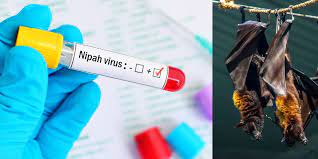
Nipah virus (NiV) is a zoonotic pathogen, meaning it jumps from animals to humans. Its primary reservoir is the fruit bat (Pteropus genus), also known as the flying fox. The virus gained international notoriety due to its staggering case fatality rate (CFR), which the WHO estimates at 40% to 75% depending on the strain and the quality of clinical care.
Transmission Routes
-
Direct Contact: Touching infected animals (bats or pigs) or their body fluids.
-
Contaminated Food: Eating fruits or consuming raw date palm sap contaminated by bat saliva or urine.
-
Human-to-Human: Close, unprotected contact with an infected person, often occurring in hospital settings or among family caregivers.
The WHO currently assesses the risk in West Bengal as moderate due to the presence of fruit bat reservoirs in the India-Bangladesh border region. However, because the current cases were confined to a single hospital and the patients did not travel while symptomatic, the broader risk remains minimal.
The Medical Reality: No Vaccine, No Cure
One of the most challenging aspects of Nipah is the lack of specific medical countermeasures.
“There are currently no licensed vaccines or specific treatments for Nipah virus infection,” explains Dr. Anais Legand, a technical officer with the WHO Health Emergencies Program. “Intensive supportive care is the mainstay of treatment, focusing on managing respiratory and neurological symptoms.”
In the absence of a cure, the WHO has designated Nipah as a “priority pathogen” in its R&D Blueprint, urging researchers to accelerate the development of diagnostics and therapeutics.
Expert Perspectives
Independent experts note that while the news is concerning, India’s experience with previous outbreaks—particularly in Kerala—has strengthened its surveillance systems.
“The deployment of a mobile BSL-3 laboratory to the site was a critical move,” says a senior infectious disease specialist not involved in the current response. “It allowed for rapid testing of those 196 contacts, which is the gold standard for cutting off transmission chains before they start.”
This event marks the seventh documented Nipah outbreak in India and the third in West Bengal, following previous occurrences in Siliguri (2001) and Nadia (2007).
Practical Prevention: What You Should Do
For residents and travelers in affected regions, health authorities recommend “One Health” precautions to minimize spillover:
-
Wash and Peel: Thoroughly wash all fruits and peel them before eating.
-
Avoid “Bat-Bitten” Fruit: Discard any fruit that shows signs of animal bites or scratches.
-
Safe Sap: Avoid drinking raw date palm sap; ensure it is boiled before consumption.
-
Hand Hygiene: Regular handwashing with soap and water, especially after visiting hospitals or caring for the sick.
-
Avoid Roosts: Stay away from areas where fruit bats are known to roost.
When to Seek Help
The incubation period for Nipah is typically 4 to 14 days, but can extend to 45 days. Initial symptoms often resemble the flu:
-
Fever and headache
-
Cough and sore throat
-
Difficulty breathing
-
Severe Signs: Drowsiness, disorientation, or mental confusion (signs of encephalitis).
Implications and Limitations
While the current outlook is optimistic, the source of the nurses’ infection remains under investigation. Identifying the “Patient Zero” or the specific animal exposure that led to these cases is vital for preventing future spillovers. Furthermore, the high mortality rate means that even a single case is treated as a public health emergency.
The WHO and the Indian Ministry of Health continue to coordinate on cross-border surveillance, ensuring that the moderate risk at the sub-national level does not escalate.
Medical Disclaimer: This article is for informational purposes only and should not be considered medical advice. Always consult with qualified healthcare professionals before making any health-related decisions or changes to your treatment plan. The information presented here is based on current research and expert opinions, which may evolve as new evidence emerges.
References
- https://tennews.in/who-monitoring-nipah-cases-in-india-rules-out-travel-curbs/