 0
0
 0
0
The World Health Organization (WHO) has, for the first time, issued global recommendations for immunising infants against Respiratory Syncytial Virus (RSV), a leading cause of severe respiratory illness in young children. This move follows growing recognition of RSV’s toll worldwide, with millions of hospitalisations and nearly 100,000 deaths among children under five each year1.
A Dual Approach to Protection
The new WHO position paper, released on May 30, 2025, introduces two key strategies to protect infants:
-
Maternal Vaccine (RSVpreF): Administered to pregnant women during the third trimester (from 28 weeks onward), this vaccine enables protective antibodies to pass through the placenta, shielding newborns during their most vulnerable early months. The vaccine can be conveniently offered during routine antenatal care, making it an accessible option for expectant mothers1.
-
Monoclonal Antibody Injection (Nirsevimab): This long-acting antibody is given as a single injection to infants, providing immediate protection for at least five months—typically covering an entire RSV season. Nirsevimab is especially valuable in regions with seasonal RSV outbreaks and is usually administered shortly after birth or before the high-risk period begins.
Why RSV Matters
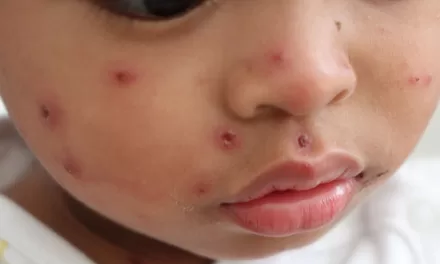
RSV is a highly contagious virus that infects the lungs and airways, spreading easily through sneezing, coughing, or close contact. While it often resembles a common cold, RSV can escalate rapidly in babies—especially those under six months old—and in elderly or immunocompromised individuals. Warning signs of severe RSV infection include fast or laboured breathing, wheezing, chest retractions, bluish lips or fingers, and long pauses in breathing (apnoea). These symptoms require urgent medical attention.
Hope for Families Worldwide
These new prevention tools are seen as potential lifesavers, particularly in low- and middle-income countries where access to advanced medical care is limited and RSV-related mortality is highest. By providing effective ways to shield infants from severe infection, the WHO’s guidance offers hope to families and healthcare providers battling a virus that has long been underestimated1.
“With these tools, families now have hope in the fight against a virus that has quietly taken a devastating toll,” the WHO stated in its position paper1.
Disclaimer:
This article is for informational purposes only and should not be considered medical advice. Parents and caregivers are encouraged to consult healthcare professionals for guidance on RSV prevention and treatment specific to their child’s needs.