 0
0
 0
0
According to the World Health Organization’s (WHO) Global Tuberculosis (TB) Report 2025, there has been a significant reduction in TB cases and deaths over the past decade, with India showing a remarkable 21% decrease in TB incidence from 237 cases per lakh population in 2015 to 187 per lakh in 2024. This decline is accompanied by a 25% reduction in TB mortality, dropping from 28 deaths per lakh in 2015 to 21 per lakh in 2024, reflecting major progress in the fight against TB. These findings refute recent claims suggesting a rise in TB cases, emphasizing instead improved detection and treatment coverage as key contributors to this success.
Key Findings and Developments
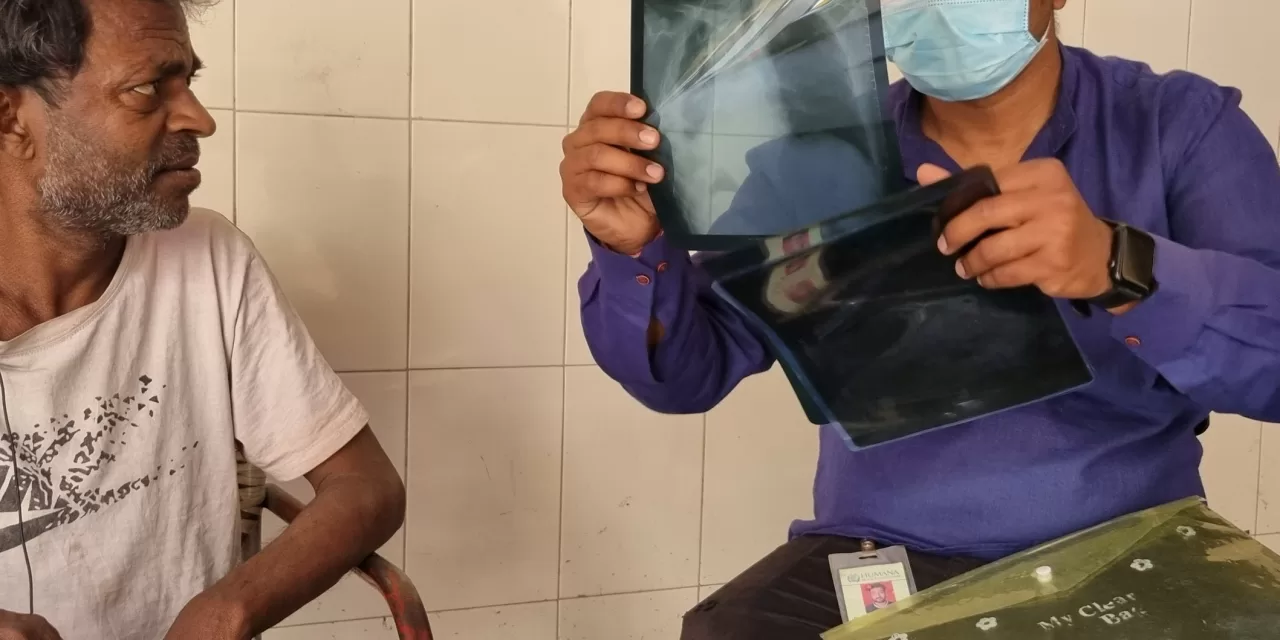
The WHO Global TB Report highlights that India has made one of the steepest declines in TB incidence, nearly double the global rate. The country diagnosed its highest-ever number of TB cases in 2024, with 26.18 lakh cases notified. This surge in notifications reflects enhanced surveillance and case detection rather than an actual increase in TB prevalence. Notably, the TB Mukt Bharat Abhiyan campaign, launched in December 2024, employed AI-enabled handheld X-rays, digital screening tools, and molecular diagnostics to uncover asymptomatic and previously missed cases. The number of ‘missing’ TB cases in India has dropped by 93% from nearly 15 lakh in 2015 to under one lakh in 2024, facilitating faster treatment initiation and reducing disease transmission.
Expert Perspectives
Experts emphasize that improved surveillance and diagnostic technology have been critical. Dr. Anil Kumar, a pulmonologist not involved in the study, notes, “The integration of AI and molecular testing has revolutionized TB detection, enabling earlier diagnosis even before symptom onset, which is vital in curbing transmission.” The Central TB Division credits the government’s intensified focus on unreported cases, strengthened field operations, and administrative leadership for achieving these outcomes.
Context and Public Health Implications
Globally, despite positive regional trends like a 28% reduction in the African region, the decline in TB incidence remains insufficient to meet the WHO’s End TB Strategy targets, which aim for an 80% reduction in incidence and a 90% reduction in deaths by 2030. In 2024, 10.7 million people fell ill with TB worldwide, and 1.23 million died. The disease remains the deadliest infectious killer globally, underscoring the need for sustained funding and innovation, including accelerated vaccine development and broader health interventions addressing risk factors like undernutrition, HIV, and diabetes.
For the general public, these findings highlight the importance of early TB testing, especially in high-risk populations, and adherence to treatment regimens to prevent disease progression and transmission. The success of campaigns like TB Mukt Bharat Abhiyan demonstrates that technological advancements and proactive public health initiatives can substantially impact TB control. However, continued vigilance and investment are necessary to reach elimination goals and address remaining challenges.
Limitations and Conflicting Viewpoints
Some experts caution that while detection rates have improved, the increased notifications might still mask gaps in accessibility to healthcare in certain regions or populations. Furthermore, the global rate of decline is slower than desired, and emerging drug-resistant TB strains remain a serious obstacle. The WHO report acknowledges these issues, calling for multisectoral collaboration to tackle socioeconomic determinants and ensure universal access to effective TB care.
Medical Disclaimer: This article is for informational purposes only and should not be considered medical advice. Always consult with qualified healthcare professionals before making any health-related decisions or changes to your treatment plan. The information presented here is based on current research and expert opinions, which may evolve as new evidence emerges.
References: