 0
0
 0
0
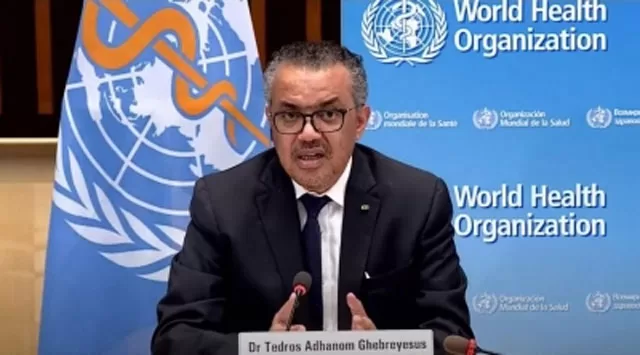
The United States has officially withdrawn from the World Health Organization (WHO), marking a historic rupture in global health collaboration as of January 22, 2026. WHO Director-General Tedros Adhanom Ghebreyesus sharply rebutted the US rationale, calling the cited reasons “untrue” and warning the move endangers health security for both America and the world. This development, rooted in long-standing criticisms of WHO’s COVID-19 response, raises urgent questions about funding, pandemic preparedness, and international cooperation.
US Announcement and Key Accusations
US Secretary of State Marco Rubio and Health Secretary Robert F. Kennedy Jr. announced the withdrawal’s completion on January 22, fulfilling President Donald Trump’s January 20, 2025, executive order after a required one-year notice period. They accused WHO of “failures during the COVID-19 pandemic,” including obstructing information sharing, concealing shortcomings, and acting against US interests by promoting mask and vaccine mandates. Kennedy further blamed WHO for US nursing home deaths and small business closures tied to pandemic policies, framing the exit as reclaiming “American sovereignty” in public health.
The US, WHO’s largest donor contributing 12-18% of its budget (roughly $160-800 million annually), halted funding during the process and claims no further obligations despite WHO disputing around $260 million in unpaid 2024-2025 dues. Washington argues WHO compromised its independence, was overly “China-centric,” and failed reforms, echoing Trump’s first-term critiques.
WHO’s Firm Rebuttal
Tedros responded swiftly on X (formerly Twitter), stating the US claims contain “inaccurate information” and that WHO always respected member state sovereignty. In an official statement, WHO emphasized it shared pandemic data transparently, advised based on evidence, and recommended—not mandated—masks, vaccines, and distancing, leaving decisions to governments. The agency countered that it engaged the US in “good faith,” rejecting accusations of tarnishing America’s reputation.
WHO noted the withdrawal notification “raises issues” pending review by its Executive Board in February and World Health Assembly in May, expressing hope for US return while committing to its mandate of health as a fundamental right. It has not yet confirmed the exit’s full effect due to financial disputes.
Historical Context
The US joined WHO in 1948 but reserved withdrawal rights with notice and paid dues. Trump attempted exit in 2020 over COVID handling but Biden rejoined; the 2025 order succeeded amid renewed scrutiny. Prior pauses cut funding by $400 million, disrupting vaccinations and surveillance. This isolates the US from WHO’s disease monitoring, which CDC supplements but cannot fully replace globally.
Expert Perspectives
Public health leaders decry the move as a “strategic mistake” harming US interests. Dr. Daniele Fallin, dean of Emory University’s Rollins School of Public Health, called it “disappointing,” noting pathogens ignore borders and WHO aids crisis response. Infectious Disease Society of America President Ronald Nahass labeled it “scientifically reckless,” stressing global collaboration’s necessity.
Georgetown’s Lawrence Gostin deemed it “the most detrimental presidential decision of my lifetime,” eroding US leadership. BMJ analysis warns it diminishes American influence without improving domestic health. Proponents, however, see savings (0.003% of US GDP) for redirecting to national priorities.
Public Health Implications
The exit threatens WHO’s stability, prompting 25% staff cuts and program reductions in HIV/AIDS, TB, malaria, and maternal health, hitting low-income nations hardest. US loses WHO technical guidance and influence on regulations like the Pandemic Accord, risking slower threat detection. Globally, fragmented efforts could reverse gains; Africa faces surges in preventable diseases without US-backed funding.
For Americans, diminished surveillance heightens vulnerability to imported outbreaks, despite domestic boosts. China pledged more funding, with members approving 20% dues hikes, but gaps persist.
| Aspect | Potential Gains for US | Potential Risks for US & World |
|---|---|---|
| Funding | Short-term savings; redirect to domestic health | WHO budget crisis, 25% staff cuts |
| Surveillance | Enhanced national systems via CDC | Loss of global early warnings |
| Influence | Sovereignty over policies | Eroded leadership in health diplomacy |
| Programs | Bilateral aid alternatives | Disruptions in vaccines, disease control |
Limitations and Counterpoints
Critics note US over-relies on voluntary contributions (80% of WHO funds), enabling influence but sparking inequities. WHO faces valid reform calls on transparency. Yet evidence shows its rapid COVID info-sharing saved lives, countering mandate claims as sovereign decisions. Financial disputes may delay finality, per WHO rules.
Future Outlook
WHO vows resilience, seeking broader funding, but experts urge multilateral recommitment. For health-conscious readers, this underscores monitoring outbreaks via diverse sources like CDC and supporting evidence-based policies. Daily decisions remain unchanged—vaccinations and hygiene protect individually—but collective action falters without unity.
Medical Disclaimer: This article is for informational purposes only and should not be considered medical advice. Always consult with qualified healthcare professionals before making any health-related decisions or changes to your treatment plan. The information presented here is based on current research and expert opinions, which may evolve as new evidence emerges.
References
-
WHO. “WHO statement on notification of withdrawal of the United States.” January 24, 2026. https://www.who.int/news/item/24-01-2026-who-statement-on-notification-of-withdrawal-of-the-united-states[who]
-
UN News. “US withdrawal from WHO ‘risks global safety’.” January 24, 2026. https://news.un.org/en/story/2026/01/1166828[news.un]