 0
0
 0
0
Urgent Call to Address Toxic Threats in Global Pharmaceutical Supply
The World Health Organization (WHO) and the United Nations Office on Drugs and Crime (UNODC) have issued a grave warning to the global community regarding the persistent threat posed by diethylene glycol (DEG) and ethylene glycol (EG) contamination in medicines. Labeling the situation a “tragic and ongoing public health crisis,” WHO highlights that over 1,300 lives—mainly children—have been lost to toxic excipients since the 1930s, with the crisis accelerating in recent years.
Deadly Chemicals and Their Use
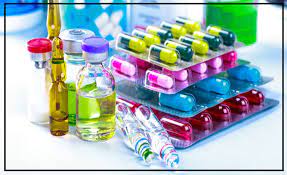
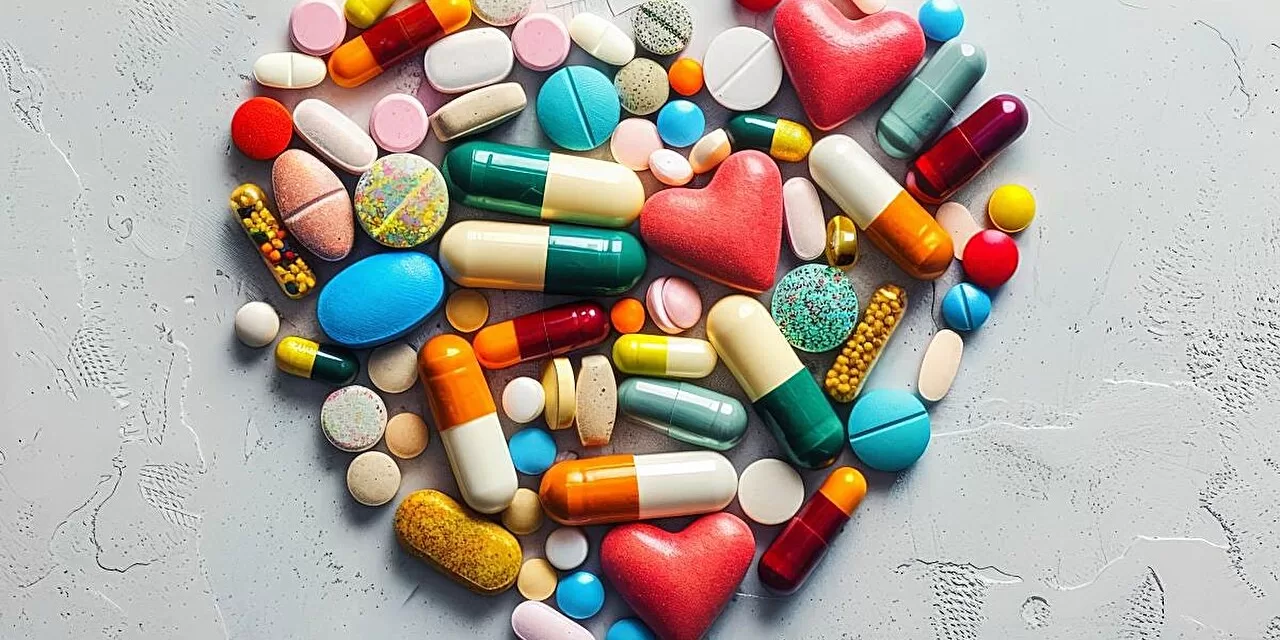
DEG and EG are industrial solvents typically found in antifreeze agents. When illegally substituted for pharmaceutical-grade substances like propylene glycol, glycerin, and sorbitol—essential components in syrups and other liquid medications—they can cause severe poisoning or death even in small amounts.
Recent Fatal Incidents
WHO notes that at least 25 documented incidents of excipient contamination have occurred worldwide over the past 90 years. A particularly tragic case was recently reported in The Gambia, where at least 66 children died after ingesting syrup medicines tainted with these toxic substances. Similar heartbreaking events have unfolded in Indonesia and Uzbekistan, leading to an additional 268 reported deaths.
Vulnerabilities and Criminal Exploitation
The problem is especially acute in low- and middle-income countries (LMICs) where regulatory oversight is often limited and supply chains are more vulnerable. WHO and UNODC report that organized criminal networks exploit loopholes and volatility in global supply chains. Common tactics include:
-
Substituting toxic chemicals for legitimate excipients.
-
Falsifying product labels.
-
Marketing dangerous excipients through online platforms and social media.
A Call for Global Action
Both WHO and UNODC demand urgent action to:
-
Close regulatory gaps.
-
Strengthen supervision of excipient supply chains.
-
Ensure access to quality-assured medicines.
-
Protect vulnerable populations, especially children, from preventable poisonings.
Disclaimer
This article is based on information issued by the WHO and UNODC. The views expressed are those of the reporting agencies and not necessarily those of the publisher. This content is intended for informational purposes only and should not be construed as medical or legal advice. Always consult qualified professionals for health-related decisions.