 0
0
 0
0
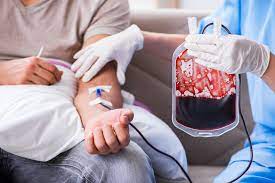
ISLAMABAD – On the occasion of World Blood Donor Day, the World Health Organization (WHO) and Pakistan’s Ministry of Health have jointly urged citizens to step forward and donate blood voluntarily, highlighting a critical deficit that is hampering hospitals’ ability to save lives across the country.
Medical centers in Pakistan require over 5 million blood donations each year—a figure projected to rise to 5.6 million by 2030. However, current donations hover around only 2.3 million annually, leaving a significant gap in supply. The situation is further complicated by the fact that 82% of these donations come from family or replacement donors, while voluntary, non-remunerated donations—recognized as the safest and most sustainable source—make up just 18% of the total.
The international theme for this year’s World Blood Donor Day, “Give blood, give hope – together we save lives,” was highlighted during a blood drive organized by the Pakistan Institute of Medical Sciences (PIMS) in collaboration with WHO. Nearly 150 volunteers participated, with WHO Representative in Pakistan Dr. Dapeng Luo among the first to donate blood.
“Every patient who needs blood should be able to receive it. WHO will continue to work with Pakistan to strengthen a blood service that promotes voluntary donations and gives patients access to safe blood and blood products in sufficient quantity, as a key component of an effective health system. Voluntary blood donations can save lives and give hope to those in need. With a single donation, each of us can save up to three lives,” said Dr. Luo.
Dr. Nelson Azeem, Parliamentary Secretary of the Ministry of National Health Services, Regulations and Coordination, praised blood donors as “real heroes,” emphasizing the nobility of the cause. Meanwhile, Dr. Shabana Saleem, Director General Health, expressed appreciation for WHO’s technical support and commitment to revitalizing the Regional Blood Transfusion Centre, which will help ensure proper screening and testing of donated blood.
WHO has pledged ongoing support to reinforce Pakistan’s blood banks and implement standardized screening methods and protocols, aiming to guarantee safe and adequate blood supplies for all, regardless of income or social status.
Disclaimer
This article is based on information provided in the official WHO and Pakistan Ministry of Health press release. While every effort has been made to ensure accuracy, readers should refer to the original source for complete details. The views and opinions expressed by quoted officials are their own and do not necessarily reflect the official stance of the organizations they represent.