 0
0
 0
0
The recent whistleblower revelations by Dr. Haris Chirakkal, a senior urologist at Thiruvananthapuram Medical College Hospital (MCH), have brought renewed focus on systemic deficiencies and poor conditions within this prominent government medical institution in Kerala. These concerns culminated publicly following the death of a cardiac patient, Venu, alleging delayed treatment. The situation has triggered widespread public attention, official probes, and debate about healthcare quality and infrastructure in a government medical college long regarded as a flagship institution.
Key Developments and Whistleblower Revelations
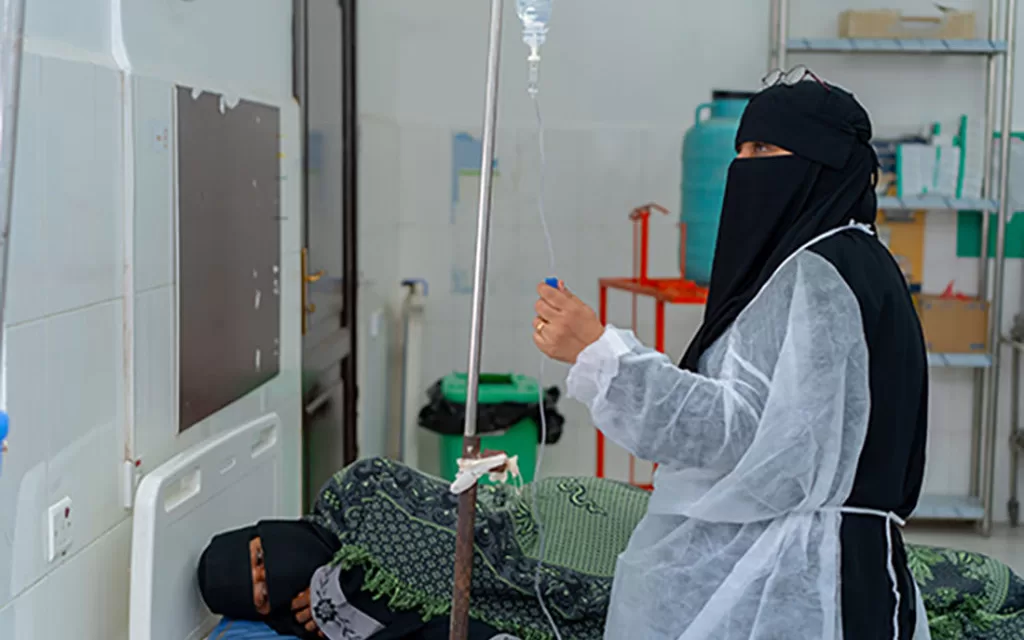
Dr. Haris Chirakkal, who has three decades of service experience solely in government healthcare, revealed serious shortages of surgical equipment that led to postponed procedures and compromised patient care. He publicly criticized the hospital environment, stating for example that even now, patients are forced to lie on the floor for treatment, a condition he says has persisted without improvement since he first came to the medical college as a student in 1986. Dr. Chirakkal’s disclosures included claims that surgeons had to rely on poor patients or relatives to provide medical equipment due to shortages. His whistleblowing triggered administrative actions, official investigations, and a contentious scrutiny of the medical college’s management.
The Cardiac Patient Death Case
The acute focus on these systemic issues intensified after the death of 48-year-old Venu, admitted with severe chest pain, reportedly denied timely angiogram diagnostics for five days. Venu’s family accused the hospital of gross negligence, petitioning the Kerala Chief Minister and Health Minister for intervention. Although hospital authorities cited abnormal creatinine levels delaying treatment, newly surfaced medical records contradict this explanation, further stoking public and media criticism.
Official Response and Institutional Probe
Following Dr. Chirakkal’s allegations, an expert committee probed the equipment shortages and the missing surgical instruments controversy. Some equipment initially declared missing was later found during inspections, leading to contradictory claims and administrative controversies. The Kerala Health Minister issued a show-cause notice against Dr. Chirakkal, alleging violation of government conduct rules. The situation escalated into what some media termed a “witch-hunt” against the doctor, with Dr. Chirakkal asserting that false charges were fabricated and that senior administrators tampered with his office documents in his absence.
Background on Medical College Conditions
Beyond equipment shortages, the hospital faces broader infrastructure challenges. Reports indicate issues with biomedical waste management, with improper disposal leading to health risks for hospital staff, patients, and nearby residents. There have been complaints about waste dumping on campus creating mosquito breeding grounds and potential contagion risks. The medical college reportedly manages thousands of inpatients and tens of thousands of visitors regularly, underscoring the challenge of waste control amid limited space and resources. The campus has also suffered land encroachment, and expansion has increased waste burden and operational complexity.
Expert Commentary and Public Health Context
Experts not involved in this case often stress that public hospitals in India, especially longstanding government medical colleges, face chronic challenges due to underfunding, bureaucratic hurdles, and high patient loads. Dr. Chirakkal’s case highlights the tension between frontline healthcare providers advocating for patients and administrative pressures to maintain institutional reputation. The insufficient or delayed availability of medical devices can critically affect patient outcomes, underscoring the need for transparent, accountable supply chain and infrastructure management in public health facilities.
Medical ethicists emphasize the importance of whistleblower protections in healthcare to identify systemic failures without fear of retaliation. Ensuring safe patient environments, adequate equipment, and timely interventions aligns closely with broader public health goals of equity and quality in healthcare delivery.
Implications for Patients and Policy
For patients and their families, these revelations emphasize the importance of awareness and advocacy regarding treatment timelines and institutional practices. It also brings attention to the pressures faced by public hospitals, particularly in resource-limited settings. On a policy level, this incident may prompt Kerala and other states to revisit health infrastructure investments, public hospital governance, and mechanisms for rapid grievance redressal in emergencies.
Limitations and Counterarguments
While Dr. Chirakkal’s claims spotlight critical issues, some officials and hospital authorities have defended the institution, citing ongoing improvements and dismissing allegations of gross negligence. The conflicting narratives around missing equipment highlight challenges in hospital record-keeping and communication. The Kerala government has initiated inquiries to ensure balance and accuracy in addressing these concerns.
Medical Disclaimer
This article is for informational purposes only and should not be considered medical advice. Always consult with qualified healthcare professionals before making any health-related decisions or changes to your treatment plan. The information presented here is based on current research and expert opinions, which may evolve as new evidence emerges.
References
- https://www.indiatoday.in/india-today-insight/story/why-kerala-govts-handling-of-whistleblower-dr-haris-chirackal-raises-questions-2769603-2025-08-11
- https://www.newkerala.com/news/o/whistleblower-kerala-doctor-alleges-harassment-531