 0
0
 0
0
In recent months, the resurgence of measles has left many families worried about what steps to take if infection strikes close to home. Although measles might echo a disease from bygone days, outbreaks still pose a real threat. Thankfully, with prompt action and informed care, most people make a full recovery.
Recognizing Measles: The First Signs
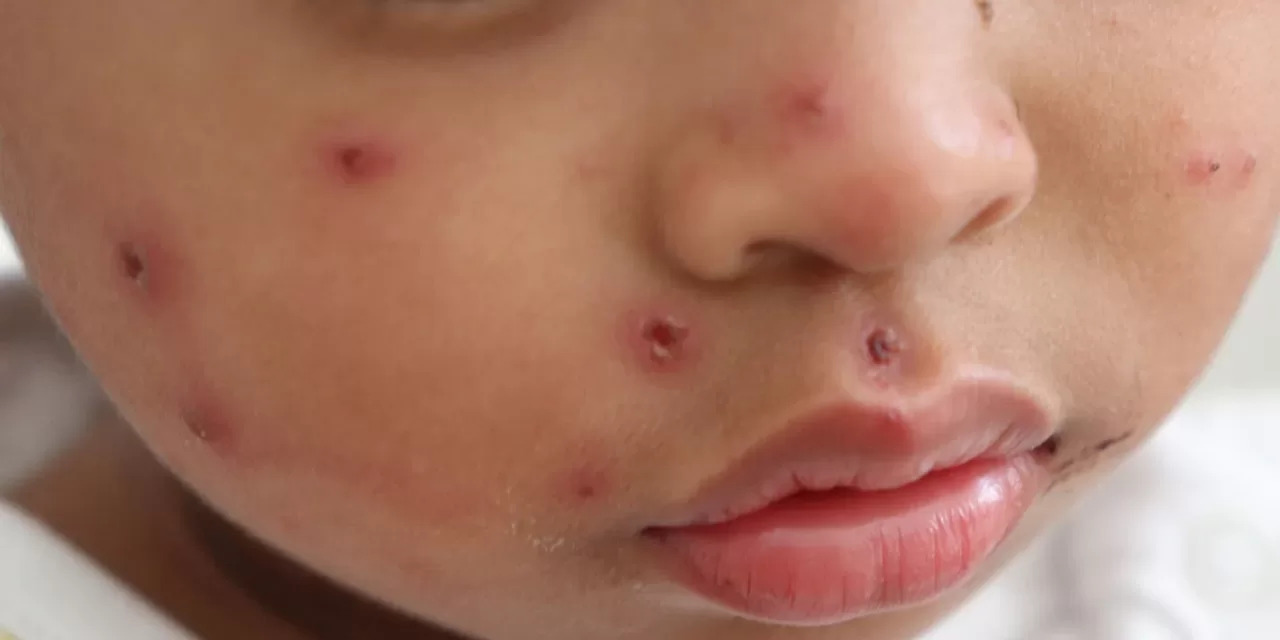
Measles symptoms often emerge 7–14 days after exposure. Early signs include a high fever, runny nose, red or watery eyes, and a persistent dry cough. A few days later, the characteristic measles rash appears, starting at the hairline and spreading downward—a classic indicator that confirms suspicions.
Immediate Actions: See a Doctor and Isolate
If measles is suspected—whether due to a rash, fever, or the classic early symptoms—seek medical attention immediately. Because measles is highly contagious, clinics may have specific protocols to prevent exposing others, especially vulnerable groups like infants, pregnant people, and those with weakened immune systems.
Once measles is confirmed or strongly suspected, isolation is crucial. This means no school, daycare, errands, or visitors. Using a separate bathroom, if possible, adds an extra layer of protection. Health authorities recommend home isolation for at least four days after the rash appears; however, keep in mind that the contagious period starts four days before the rash begins.
Watch for Warning Signs
While most cases resolve at home, there are red flags that require urgent medical help:
-
Trouble breathing
-
Unusual sleepiness or confusion
-
Seizures
-
Persistent ear pain
-
Constant vomiting
-
Signs of dehydration (not drinking enough fluids)
If any of these are present, do not hesitate to contact a doctor or visit the emergency room.
Preventing the Spread
Measles virus can linger in the air for up to two hours after an infected person leaves the room, making even casual contact a risk. Families should:
-
Wipe down surfaces regularly
-
Wash hands frequently
-
Keep the ill person in a separate room
If a diagnosis is made, local health officials may reach out to help with contact tracing or to advise on limiting community spread. Cooperation in these efforts is vital to protecting the wider community.
Vaccine: The Best Defense
The most effective way to protect against measles is the MMR vaccine (measles, mumps, and rubella). Health experts recommend two doses for children: the first at 12–15 months, and a second between ages 4–6. Adults unsure of their vaccination status should consult their doctor about possible boosters.
Recovery at Home
With the right measures—rest, isolation, plenty of fluids, and close monitoring—most people recover safely at home. Stay vigilant for warning signs, and never hesitate to ask a healthcare provider for advice.
Disclaimer:
This article is for informational purposes only and does not substitute for professional medical advice, diagnosis, or treatment. Always consult your physician or qualified health provider with any questions you may have regarding a medical condition. If you or your child develops severe symptoms, seek immediate medical attention.