 0
0
 0
0
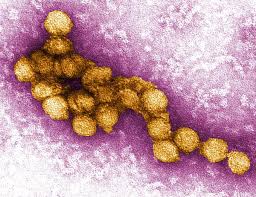
London, May 23, 2025 — In a development that has caught the attention of health authorities across the UK, the West Nile Virus (WNV) has been detected in British mosquitoes for the first time. The UK Health Security Agency (UKHSA) and the Animal and Plant Health Agency (APHA) confirmed the presence of WNV genetic material in local mosquito populations, marking a significant milestone in the country’s public health landscape.
What is West Nile Virus?
West Nile Virus is a member of the Flaviviridae family, which also includes dengue and yellow fever. The virus primarily circulates among birds and is transmitted by mosquitoes that feed on infected birds. Occasionally, the virus can infect humans and horses, sometimes leading to severe illness.
Globally, WNV is found in Europe, Africa, the Middle East, the Americas, and parts of Asia and Australia. Its presence in the UK is new, but not unexpected, as the virus has been spreading to more northern and western regions of Europe in recent years.
Symptoms and Severity
Most people infected with WNV either show no symptoms or experience mild, flu-like signs such as fever, headache, muscle aches, swollen lymph nodes, and skin rashes. These cases typically resolve on their own within a few days. However, less than 1% of infections can lead to serious complications, particularly neurological issues.
Current Situation in the UK
To date, there have been no locally acquired human or equine cases of WNV in the UK, though seven travel-related human infections have been reported since 2000. The UKHSA emphasizes that current evidence does not indicate active circulation of the virus among birds or mosquitoes in the country. Surveillance efforts have been ramped up to monitor the situation closely.
Dr. Meera Chand, Deputy Director at UKHSA, commented, “While this is the first detection of West Nile Virus in mosquitoes in the UK so far, it is not unexpected as the virus is already widespread in Europe. The risk to the general public is currently assessed as very low. Vector research of this kind gives us early warning of potential threats so we can improve disease surveillance and ensure appropriate patient testing.”
Dr. Arran Folly of the APHA added, “The detection of West Nile Virus in the UK reflects a broader shift driven by climate change, which is enabling mosquito-borne diseases to spread to new regions. Ongoing surveillance is essential to assess and mitigate risks to both animal and public health.”
Mosquitoes and Climate Change
The Aedes vexans mosquito, capable of carrying WNV, is native to the UK but generally found in low numbers. Their population can spike in flood-prone areas, such as villages along the River Idle near Retford, Nottinghamshire, especially during the summer. Authorities are actively managing mosquito habitats to reduce their presence and potential risk.
No Vaccine Available
Currently, there is no vaccine for West Nile Virus, making prevention and surveillance key strategies in managing potential outbreaks.
Disclaimer:
This article is based on information available as of May 23, 2025, and is intended for informational purposes only. The risk to the general public remains very low, and there have been no reported cases of local transmission in the UK. For the latest updates and health advice, please consult official sources such as the UK Health Security Agency (UKHSA) or your healthcare provider.
Citations: