 0
0
 0
0
KOLKATA — Health officials in West Bengal confirmed on Thursday, February 12, 2026, the state’s first death linked to the Nipah virus (NiV) in nearly two decades. The deceased, a 25-year-old nurse stationed at a private hospital in Barasat, North 24 Parganas, succumbed to complications following a weeks-long battle with the zoonotic pathogen.
The nurse was one of two healthcare workers who tested positive for the virus in mid-January. While her colleague—a male nurse—has successfully recovered and been discharged, the female nurse remained in critical condition for over a month. According to the State Health Department, though she had cleared the primary viral infection, she developed a severe “secondary infection” in her lungs and a prolonged coma that eventually led to cardiac arrest.
Contained Outbreak: Contact Tracing Results Negative
In an effort to prevent a wider outbreak, the National Centre for Disease Control (NCDC) and state health teams conducted extensive contact tracing. Over 190 individuals, including hospital staff and family members who were in close proximity to the affected nurses, were identified and monitored.
“The test results for all identified contacts have returned negative,” a spokesperson for the State Health Department confirmed. “There have been no fresh reports of Nipah virus cases in the state since the initial detection in January. The situation is currently stable and under constant surveillance.”
This incident marks the third time the Nipah virus has appeared in West Bengal, with previous outbreaks recorded in Siliguri (2001) and Nadia (2007).
Understanding the Nipah Virus: Risk and Transmission
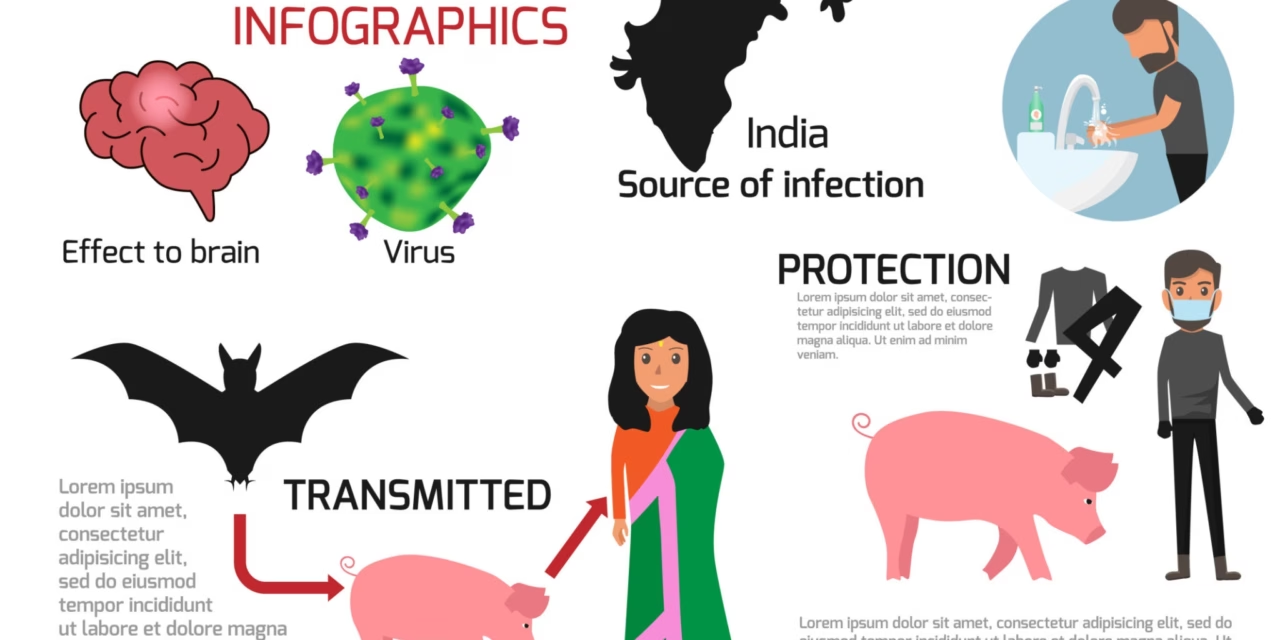
The Nipah virus is a zoonotic virus, meaning it spreads from animals to humans. The primary natural hosts are fruit bats (Pteropus species).
How Transmission Occurs:
-
Contaminated Food: Consuming fruit or date palm sap contaminated by the saliva or urine of infected bats.
-
Animal-to-Human: Direct contact with infected animals, such as pigs (which can act as intermediate hosts).
-
Human-to-Human: Close contact with the bodily fluids (blood, urine, or saliva) of an infected person, often occurring in family or healthcare settings.
Medical experts emphasize that while the virus is deadly—with a case fatality rate estimated by the World Health Organization (WHO) at 40% to 75%—it does not spread as easily as respiratory viruses like the flu or COVID-19. It typically requires very close, unprotected physical contact.
Symptoms and Disease Progression
The Nipah virus presents a diagnostic challenge because its early symptoms often mimic common seasonal illnesses.
-
Early Stage: High fever, headache, muscle pain, vomiting, and sore throat.
-
Neurological Stage: Dizziness, drowsiness, and altered consciousness.
-
Severe Stage: Acute respiratory distress and encephalitis (brain inflammation), which can lead to seizures and coma within 24 to 48 hours.
“Early detection is the single most important factor for survival,” says Dr. Arindam Basu, an infectious disease specialist not involved in the Barasat cases. “Because there is no specific antiviral drug for Nipah, treatment is primarily ‘supportive care’—managing symptoms, keeping the patient hydrated, and treating secondary infections as they arise.
The Global Search for a Vaccine
As of February 2026, there is no commercially available vaccine for the Nipah virus. However, significant progress is being made. The University of Oxford, in collaboration with the International Centre for Diarrhoeal Disease Research, Bangladesh (icddr,b), recently launched Phase II clinical trials for a vaccine candidate (ChAdOx1 NipahB).
The World Health Organization has designated Nipah as a “priority pathogen” in its R&D Blueprint, highlighting the urgent need for accelerated research to prevent future pandemics.
Practical Advice for the Public
Health authorities advise citizens in affected regions to follow these preventive measures:
-
Inspect Fruit: Avoid consuming fruits that show signs of bird or animal bites.
-
Boil Date Palm Sap: If consuming fresh palm juice, ensure it is thoroughly boiled or pasteurized.
-
Hand Hygiene: Wash hands regularly with soap and water after visiting hospitals or caring for the sick.
-
Avoid Roosting Sites: Stay away from areas where fruit bats are known to congregate.
While the death of the nurse in Barasat is a somber reminder of the virus’s potency, the success of the containment efforts suggests that the risk to the general public remains low.
References
- https://ommcomnews.com/india-news/first-nipah-virus-death-reported-in-bengal/
Medical Disclaimer: This article is for informational purposes only and should not be considered medical advice. Always consult with qualified healthcare professionals before making any health-related decisions or changes to your treatment plan. The information presented here is based on current research and expert opinions, which may evolve as new evidence emerges.