 0
0
 0
0
INDORE, INDIA — A significant public health emergency has gripped the Bhagirath colony of Indore, Madhya Pradesh, as the number of residents suffering from severe gastrointestinal illness rose to 66 this week. The outbreak, suspected to be caused by contaminated municipal water supplied through the Narmada Jal Yojana, has claimed at least three lives since Sunday, prompting an urgent mobilization of state medical resources and a comprehensive investigation into the city’s water infrastructure.
The Surge of Illness:
The crisis began unfolding late Sunday evening when local clinics reported an unusual spike in patients presenting with acute abdominal pain, projectile vomiting, and severe dehydration—classic hallmarks of acute diarrheal disease (ADD). By Tuesday evening, state Urban Development Minister Kailash Vijayvargiya confirmed that the situation remained critical, with dozens hospitalized across various private and public facilities.
“Total 66 patients are currently being treated at multiple hospitals in the city,” Minister Vijayvargiya stated during a press briefing following a late-night tour of the affected wards. “We have deployed 22 medical teams, including senior physicians, to conduct door-to-door health checkups in Bhagirath colony to identify and treat patients before their condition becomes critical.”
The State Government has declared that all medical costs for the victims will be covered, directing private hospitals to admit patients from the affected area immediately and without charge.
The Suspected Source: Contaminated Tap Water
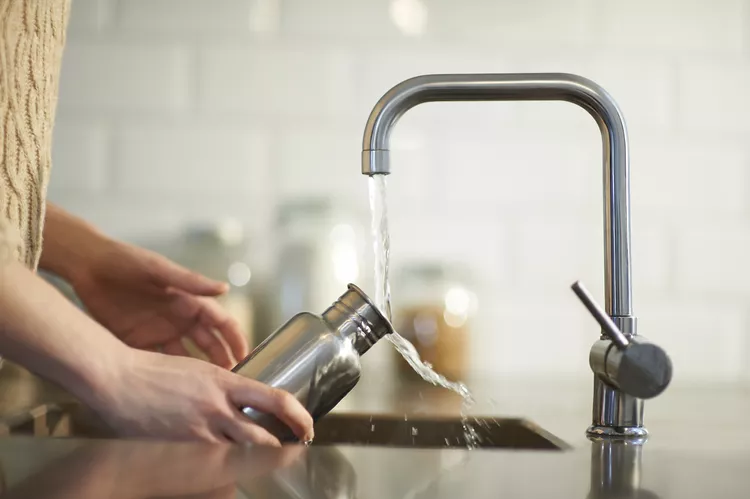
While official laboratory results are still pending, the epidemiological link points toward the kitchen taps of the Narmada Jal Yojana. Residents reported a change in the color and odor of their water shortly before the symptoms began.
Dr. Madhav Hasani, Indore District Chief Medical and Health Officer (CMHO), noted that the clustering of cases in one specific geographical area is a “textbook indicator” of a point-source contamination. “Preliminary assessments suggest a strong possibility that people consumed water contaminated by sewage or industrial runoff due to a potential breach in the supply line,” Dr. Hasani told reporters.
The Science of Waterborne Outbreaks
When municipal water lines experience a drop in pressure or a physical rupture, groundwater—often containing pathogens from nearby sewage lines—can be sucked into the pipes. Common culprits in such scenarios include:
-
Vibrio cholerae: The bacteria responsible for Cholera, causing profuse watery diarrhea.
-
E. coli: Often found in human and animal waste.
-
Norovirus: A highly contagious virus causing sudden vomiting and diarrhea.
Expert Perspectives: A Preventable Crisis?
Public health experts not involved in the Indore response suggest that this incident highlights a recurring vulnerability in urban Indian infrastructure.
“The coexistence of water supply and sewage lines in close proximity is a significant risk factor,” says Dr. Anirudh Sharma, a consultant in Infectious Diseases (not affiliated with the Indore Health Department). “When pipelines are old or improperly maintained, cross-contamination becomes almost inevitable, especially during fluctuations in water pressure.”
Dr. Sharma emphasizes that the reported deaths—likely due to hypovolemic shock (severe fluid loss)—underscore the importance of early intervention. “For the general public, the primary defense is oral rehydration therapy. However, when vomiting is persistent, intravenous fluids are the only way to prevent organ failure.”
Public Health Implications and Community Impact
The panic in Bhagirath colony is palpable. With three deaths reported in 24 hours, residents are hesitant to use tap water even for basic hygiene. The Indore Municipal Corporation (IMC) has begun flushing the lines and has collected samples for microbiological and chemical analysis.
What This Means for Residents
Until the water is declared safe by the IMC, health officials recommend the following “Boil Water Advisory” protocols:
-
Rolling Boil: Bring water to a vigorous, rolling boil for at least one full minute to kill bacteria, viruses, and parasites.
-
Chlorination: If boiling is not possible, use certified water purification tablets or liquid bleach (8 drops per gallon of clear water).
-
Sanitation: Wash hands with soap and safe water before handling food or touching the face.
Limitations and Counterarguments
While the focus remains on the Narmada water supply, some local officials have raised questions about whether localized storage tanks (sumps) in individual homes might also be contributing to the problem. “We must wait for the laboratory reports to distinguish between a systemic failure in the municipal line and localized contamination within home storage units,” noted a senior engineer from the IMC who spoke on the condition of anonymity.
Furthermore, the official death toll remains under verification. While Minister Vijayvargiya cited “two to three” deaths, the health department is currently performing audits to determine if these fatalities were directly caused by the waterborne pathogen or exacerbated by pre-existing comorbidities.
Next Steps for Indore
The 22 medical teams on the ground are focusing on “Active Case Finding.” By visiting every home, they hope to identify elderly residents or young children—the populations most vulnerable to dehydration—who may not have sought medical attention yet.
The test results from the Indore Municipal Corporation are expected within the next 48 hours. These results will be pivotal in identifying the specific pathogen and the exact point of entry into the water system, which will dictate the necessary repairs and long-term infrastructure upgrades required to prevent a recurrence.
For now, the city remains on high alert, serving as a stark reminder of the critical intersection between infrastructure integrity and public health.
Reference Section
Statistical Sources:
- https://bhaskarlive.in/patients-falling-ill-from-contaminated-water-in-indore-rise-to-66-mp-minister-vijayvargiya/
Medical Disclaimer: This article is for informational purposes only and should not be considered medical advice. Always consult with qualified healthcare professionals before making any health-related decisions or changes to your treatment plan. The information presented here is based on current research and expert opinions, which may evolve as new evidence emerges.