 0
0
 0
0
Published: October 21, 2025
A new study from China suggests that the waist-to-height ratio (WHtR) — a simple body measurement often used to evaluate obesity — could also help identify women with obesity who are at risk of losing skeletal muscle mass, a key feature of sarcopenic obesity. The findings, published in the Medical Science Monitor on September 30, 2025, may offer clinicians and researchers a low-cost screening tool to detect muscle deterioration earlier in this high-risk group.
Understanding the Research
Researchers led by Dr. Yu Bing and colleagues from the Department of Endocrinology at Nanjing Medical University investigated the relationship between WHtR and skeletal muscle mass standardized by weight (SMM/W) in 300 women with obesity aged 18 to 59 years. Using bioelectrical impedance analysis, the team measured skeletal muscle mass and waist circumference, while height and weight were assessed using ultrasonic instruments.
Their analysis revealed a significant negative correlation between WHtR and SMM/W — meaning that women with higher waist-to-height ratios tended to have lower muscle mass relative to their body weight. Even after adjusting for potential confounders like age and insulin resistance, WHtR remained an independent predictor of reduced muscle mass. In addition, higher values of HOMA-IR (homeostasis model assessment of insulin resistance) were associated both with higher WHtR and lower SMM/W.
Why This Matters
Sarcopenic obesity — a condition characterized by the coexistence of high fat mass and low muscle mass — poses serious health risks, including insulin resistance, mobility decline, and increased mortality. While advanced imaging tools like DXA and MRI provide precise measurements, they are often impractical for routine clinical use because of cost and accessibility.
“This study reinforces the potential of waist-to-height ratio as not just an obesity marker but also as a signal of underlying muscle deficits,” said Dr. Meera Krishnan, Endocrinologist at AIIMS Delhi, who was not involved in the study. “It’s simple, portable, and can be easily incorporated into community health screenings where resources are limited.”
Context and Comparison
The authors’ findings align with prior research linking central adiposity — fat stored around the abdomen — with metabolic disorders and muscle loss. A 2023 meta-analysis in Obesity Reviews reported that greater visceral fat accumulation contributes to accelerated muscle wasting, especially among older adults and women.
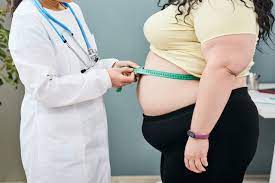
The waist-to-height ratio (derived by dividing waist circumference by height) has gained favor over BMI because it captures fat distribution more accurately. A WHtR value above 0.5 is generally considered a marker of increased cardiometabolic risk. The present study adds nuance by suggesting that WHtR might also signal progressive muscle decline in women with obesity, even among younger age groups.
Expert Perspective
“Body composition is more than a number on a scale,” noted Dr. Pratyusha Nair, Clinical Nutrition Specialist at Fortis Hospital, Bengaluru. “Women with obesity may appear metabolically healthy based on BMI, but high waist-to-height ratios combined with low muscle mass paint a different picture — one that calls for personalized interventions involving resistance training and protein optimization.”
However, Dr. Nair cautioned that waist-to-height ratio alone cannot diagnose sarcopenic obesity. “It’s a useful screening tool but must be supported by confirmatory assessments like bioimpedance or dual-energy X-ray absorptiometry. We need more longitudinal studies to establish predictive cutoffs for different populations.”
Mechanism and Metabolic Insight
The biological link between increased central obesity and muscle loss likely involves chronic low-grade inflammation and insulin resistance. When excessive abdominal fat increases inflammatory cytokines and disrupts insulin signaling, it can impair muscle protein synthesis over time.
The study’s observation that insulin resistance (measured by HOMA-IR) rises alongside WHtR supports this mechanistic link. This dual influence could explain why some women with obesity experience muscle weakness or fatigue even without substantial weight changes.
Implications for Public Health and Daily Practice
From a preventive health perspective, the research underscores the importance of routine waist measurements alongside weight and BMI monitoring. For women with obesity, maintaining muscle health requires a balance of nutrient-dense diets rich in high-quality protein, regular resistance training, and metabolic monitoring.
Community health workers and primary care physicians could use WHtR as a screening measure in obesity management programs, particularly in low-resource settings where advanced diagnostic tools are unavailable. Detecting sarcopenic trends early could improve personalized treatment plans, physical function, and long-term metabolic health outcomes.
Study Limitations
The authors acknowledge several limitations. Being a cross-sectional study, it cannot establish causality — only association. The participants were all women of Chinese origin, which limits generalizability to other ethnic groups. Moreover, bioelectrical impedance analysis, while practical, is less precise than imaging-based assessments. Future longitudinal and multi-ethnic studies are needed to validate the findings and refine predictive thresholds.
The Bottom Line
This study adds to growing evidence that waist-to-height ratio could serve as a practical, noninvasive marker not just for cardiovascular or metabolic health, but also for muscle mass integrity. As healthcare systems increasingly focus on comprehensive obesity management, such simple metrics could enable earlier interventions and empower individuals to monitor their health more effectively.
Medical Disclaimer:
This article is for informational purposes only and should not be considered medical advice. Always consult with qualified healthcare professionals before making any health-related decisions or changes to your treatment plan. The information presented here is based on current research and expert opinions, which may evolve as new evidence emerges.
References
-
Yu B, Wang C, Wang S, Xu J, Yang Y, Liu Y, Shan C. Correlation Between Waist-to-Height Ratio and Skeletal Muscle Mass in Women with Obesity: A Cross-Sectional Study. Medical Science Monitor: International Medical Journal of Experimental and Clinical Research. 2025 Sep 30;31:e950371. DOI: 10.12659/MSM.95037