 0
0
 0
0
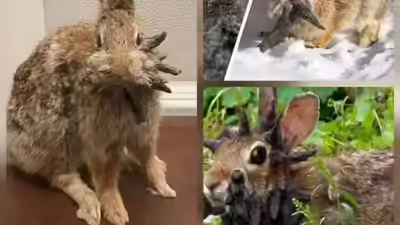
Health experts are raising awareness about a naturally occurring virus, the Shope papillomavirus (SPV), which is causing alarming, horn-like growths on wild rabbits in the United States. Dubbed “zombie bunnies” by some, the affected animals develop grotesque wart-like tumors on their heads and faces, a condition that, while unsettling in appearance, poses no threat to humans, dogs, or cats.
First identified in the 1930s, SPV is a DNA virus that is highly species-specific, primarily affecting cottontail rabbits. The virus spreads through direct contact between rabbits or via bites from blood-feeding insects like mosquitoes, fleas, and ticks. While the growths, known as papillomas, are usually benign, they can become cancerous and have serious health consequences for the infected animals. The tumors can obstruct a rabbit’s vision, interfere with its ability to eat and breathe, and make it an easy target for predators.
The virus is most prevalent in the Midwest, particularly during warmer months. While pet owners don’t need to fear transmission to their other pets, domestic rabbits can be at risk if they are exposed to infected wild rabbits or bitten by infected insects. Veterinarians and wildlife experts advise pet owners to keep their rabbits indoors to prevent potential exposure and to maintain a clean environment.
Disclaimer: This article is for informational purposes only and is not a substitute for professional medical or veterinary advice. Always consult with a qualified healthcare provider or veterinarian for any health concerns or before making any decisions related to your health or the health of your pets.
Reference:
- Times of India. (2022). This virus is turning rabbits into ‘zombie bunnies’ with horn-like growths, can it spread to dogs or cats?. Retrieved from https://timesofindia.indiatimes.com/world/us/this-virus-is-turning-rabbits-into-zombie-bunnies-with-horn-like-growths-can-it-spread-to-dogs-or-cats/articleshow/123288055.cms.