 0
0
 0
0
CHENNAI – Health and veterinary officials in Tamil Nadu have shifted to high-alert status this week, implementing a multi-layered surveillance strategy following a confirmed outbreak of Highly Pathogenic Avian Influenza (HPAI), commonly known as bird flu, in neighboring Kerala.
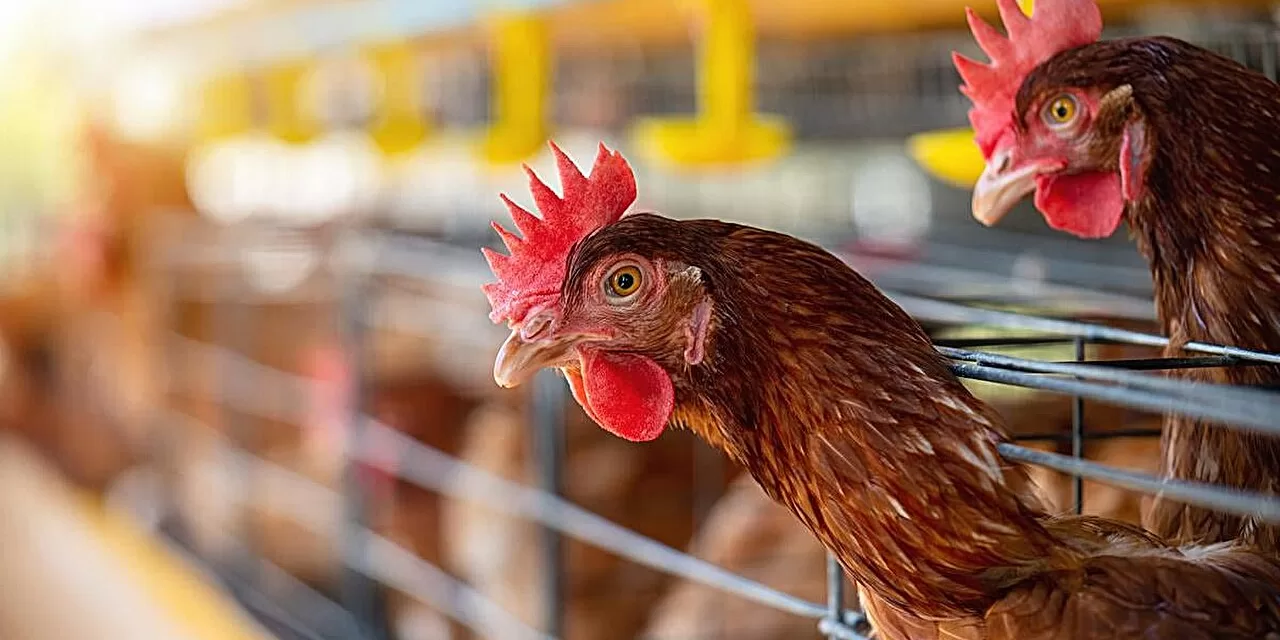
The H5N1 strain, which recently resurfaced in Kerala’s Alappuzha district, has prompted the Tamil Nadu government to fortify its borders, deploying 24-hour monitoring teams to prevent the cross-border transmission of the virus. While no cases have been reported within Tamil Nadu to date, the proximity of the outbreak has triggered a rapid response from the state’s Animal Husbandry and Health Departments.
The Outbreak and the Response
The current concerns stem from recent mass poultry deaths in Kerala, where laboratory tests at the National Institute of High-Security Animal Diseases (NIHSAD) in Bhopal confirmed the presence of the H5N1 virus. In response, Kerala authorities initiated large-scale culling operations within a one-kilometer radius of the epicenters to contain the spread.
Tamil Nadu, home to a massive poultry industry—particularly in the Namakkal district, often referred to as India’s “Egg Bowl”—cannot afford a breach in biosecurity.
“We have established 26 permanent check posts along the border districts, including Coimbatore, Tiruppur, and Theni,” stated a senior official from the Tamil Nadu Animal Husbandry Department. “Every vehicle carrying poultry, ducks, or even eggs from Kerala is being turned back or subjected to rigorous disinfection. Our primary goal is to create a biological buffer zone.”
Understanding H5N1: The Science of the Strain
Avian influenza is a viral infection that primarily affects birds, including chickens, ducks, and migratory waterfowl. The H5N1 strain is of particular concern to global health organizations like the World Health Organization (WHO) because of its “highly pathogenic” nature, meaning it is often fatal to bird populations and possesses a zoonotic potential—the ability to jump from animals to humans.
While human infections are rare and usually occur through direct contact with infected birds or contaminated environments, the mortality rate in humans can be high. However, health experts emphasize that there is currently no evidence of sustained human-to-human transmission of the H5N1 strain currently circulating in the region.
Expert Insights: Assessing the Risk
Medical professionals urge the public to remain calm but informed. Dr. Aruna Swaminathan, an infectious disease specialist (not involved in the state’s current surveillance task force), emphasizes that the risk to the general public remains low if proper precautions are taken.
“The virus is highly sensitive to heat,” Dr. Swaminathan explains. “In a region where poultry is a dietary staple, the most important message is that the virus is destroyed at standard cooking temperatures. If meat and eggs are cooked to an internal temperature of 70°C (158°F), they are safe for consumption.”
However, she warns that the real danger lies in the “wet market” environment or among backyard poultry farmers. “Those who handle live birds or process raw meat are at the highest risk. This is why the government’s focus on border control and poultry farm biosecurity is the correct clinical move.”
Protecting the Poultry “Egg Bowl”
The economic stakes for Tamil Nadu are as high as the public health stakes. The state’s poultry sector is worth billions of rupees, providing livelihoods for hundreds of thousands of farmers.
“Biosecurity is our only defense,” says K. Dharmaraj, a commercial poultry farm owner in Namakkal. “We have restricted entry to our farms, increased the frequency of lime-powder spraying around our sheds, and are monitoring our flocks hourly for any signs of lethargy or drops in egg production.”
The state government has also instructed village-level health workers to monitor for “unusual mortality” in wild birds and backyard flocks, as these are often the first indicators of a widening outbreak.
Public Health Advice: What Residents Should Do
As surveillance intensifies, health authorities have issued a series of advisories for the general public:
-
Report Bird Deaths: If you see a dead crow, sparrow, or migratory bird, do not touch it. Report the sighting immediately to the nearest veterinary dispensary or local health department.
-
Practice Hygiene: Ensure that raw meat is handled with gloves or that hands are washed thoroughly with soap and water after handling raw poultry. Keep raw meat separate from cooked or ready-to-eat foods.
-
Avoid Direct Contact: Residents in border districts are advised to avoid visiting poultry farms or markets where live birds are handled until the “high-alert” period passes.
-
Monitor Symptoms: Anyone who has been in contact with birds and develops severe flu-like symptoms—fever, cough, or respiratory distress—should seek medical attention immediately and disclose their exposure history.
Limitations and the Path Ahead
While the current measures are robust, experts acknowledge the difficulty of controlling a virus carried by wild migratory birds. These birds do not follow road-border checkpoints and can spread the virus through droppings in water bodies shared by domestic flocks.
“Surveillance is a cat-and-mouse game with avian flu,” says a public health researcher. “The challenge is that the virus is constantly evolving. While the current focus is on containment, the long-term strategy must involve better vaccine coverage for poultry and increased genomic sequencing to monitor for any mutations that might make the virus more transmissible to humans.”
For now, Tamil Nadu remains in a state of “guarded optimism.” The absence of cases within the state suggests that the border protocols are holding, but officials warn that the next two to four weeks will be critical in determining if the outbreak has been successfully cordoned off.
Medical Disclaimer: This article is for informational purposes only and should not be considered medical advice. Always consult with qualified healthcare professionals before making any health-related decisions or changes to your treatment plan. The information presented here is based on current research and expert opinions, which may evolve as new evidence emerges.
References
Primary News Source:
-
NDTV Health: “TN Steps Up Surveillance After Bird Flu Outbreak In Neighbouring Kerala” (2024).