 0
0
 0
0
HANOI, Vietnam — Vietnam’s Ministry of Health has issued an urgent warning regarding a “complicated” and potentially prolonged dengue fever outbreak that health officials fear could extend well into 2026. Following a year of record-breaking transmission across the globe, the Ministry reported on Thursday that the nation recorded over 181,000 cases and 36 fatalities in 2025, signaling a persistent public health threat that shows no signs of seasonal retreat.
Nguyen Trong Khoa, Deputy Director of the Ministry’s Department of Medical Service Administration, cautioned that the traditional “peak season” has blurred. “Localities must not be complacent,” Khoa stated, urging immediate preparation for 2026 to prevent further loss of life.
A Global Surge Hits Home
The situation in Vietnam mirrors a worrying international trend. According to the World Health Organization (WHO), 2024 was the worst year on record for dengue, with over 14.6 million cases reported globally. While the Americas bore the brunt of that surge, Southeast Asia remains a hyper-endemic “hotspot” where the virus is becoming increasingly unpredictable.
In Vietnam, the 2025 data represents a 33% increase in cases compared to the previous year. Southern Vietnam remains the hardest hit, accounting for roughly 70% of the national burden, with Ho Chi Minh City emerging as a primary transmission hub.
The “Perfect Storm” of Factors
Experts point to a combination of environmental and social factors driving the current crisis:
-
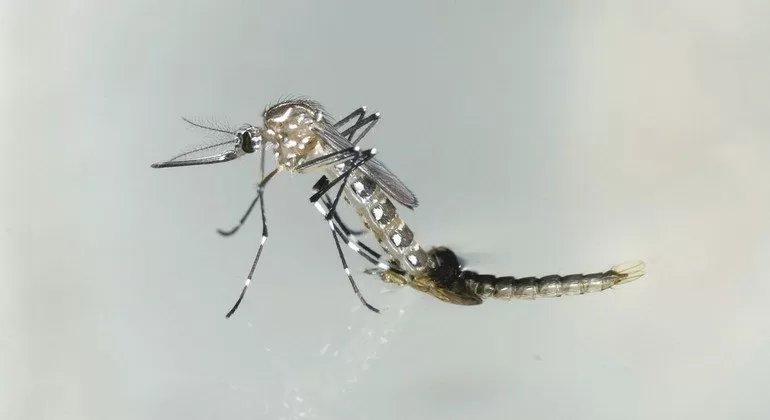
Climate Change: Rising temperatures and erratic rainfall patterns have expanded the breeding grounds for Aedes aegypti and Aedes albopictus mosquitoes.
-
Urbanization: Dense living conditions in cities like Hanoi and Ho Chi Minh City provide a constant supply of hosts for the virus.
-
Vector Adaptation: Mosquitoes are increasingly active in areas previously considered low-risk, and some populations are showing resistance to standard insecticides.
Understanding the “Break-bone” Fever
Dengue is often called “break-bone fever” due to the excruciating joint and muscle pain it causes. While many infections are mild or asymptomatic, the risk of severe disease is a significant concern for public health officials.
Symptoms to Watch For
Most patients will develop symptoms 4 to 10 days after a mosquito bite. Common signs include:
-
Sudden high fever (up to 104°F/40°C)
-
Severe headache and pain behind the eyes
-
Nausea and vomiting
-
Swollen glands and a distinctive skin rash
The Danger of Second Infections
One of the most unique and dangerous aspects of dengue is that a second infection with a different serotype (there are four: DENV-1, -2, -3, and -4) significantly increases the risk of severe dengue. This condition can lead to internal bleeding, organ failure, and “Dengue Shock Syndrome,” which is life-threatening if not treated immediately in a hospital setting.
Warning Signs of Severe Dengue:
If your fever drops but you experience severe abdominal pain, persistent vomiting, bleeding gums, or rapid breathing, seek emergency care immediately.
Prevention and the Vaccine Landscape
As there is no specific antiviral treatment for dengue, the medical community relies heavily on supportive care—such as hydration and pain management—and prevention.
Breakthroughs in Vaccination
There is hope on the horizon. The QDENGA (TAK-003) vaccine, which was prequalified by the WHO in May 2024, has shown high efficacy in preventing hospitalizations (approximately 84%) and is authorized for use in over 40 countries as of early 2026. Unlike earlier vaccines, it can be used regardless of whether a person has had dengue before. Additionally, Indian Immunologicals Limited has indicated that a new domestic vaccine may become available by mid-2026.
Community Action: The “Four-on-the-Spot” Principle
The Vietnamese government is pushing a “four-on-the-spot” policy: local command, local forces, local materials, and local logistics. This involves:
-
Eliminating Breeding Grounds: Emptying stagnant water from flowerpots, discarded tires, and buckets.
-
Biological Control: Vietnam has pioneered the use of Wolbachia—a naturally occurring bacteria—in mosquito populations to reduce their ability to transmit viruses.
-
Personal Protection: Using DEET-based repellents, wearing long sleeves, and sleeping under insecticide-treated nets.
Public Health Implications
The strain on Vietnam’s healthcare system is tangible. Intensive care units (ICUs) in the south have reported increased demand for blood products and dialysis as severe cases climb. Public health experts warn that if transmission continues at this rate through the Lunar New Year (Tết) festivities, the high volume of travel could spark new clusters in previously unaffected rural provinces.
“We are at a crossroads,” says an independent epidemiologist. “Without sustained community engagement in mosquito control, we may see dengue transition from a seasonal threat to a year-round reality.”
Medical Disclaimer
This article is for informational purposes only and should not be considered medical advice. Always consult with qualified healthcare professionals before making any health-related decisions or changes to your treatment plan. The information presented here is based on current research and expert opinions, which may evolve as new evidence emerges.
References
https://tennews.in/vietnam-warns-of-prolonged-dengue-fever-outbreak/