 0
0
 0
0
ORLANDO, Fla. — In a significant advancement for pediatric medicine, Vertex Pharmaceuticals announced promising new data on Saturday regarding its CRISPR-based gene therapy, Casgevy (exagamglogene autotemcel), for children aged 5 to 11. Presented at the American Society of Hematology (ASH) Annual Meeting, the findings suggest that the therapy, which effectively serves as a “functional cure” for older patients, is equally effective and safe for younger children suffering from severe sickle cell disease (SCD) and transfusion-dependent beta thalassemia (TDT).
The data, marking the first time clinical results have been released for this age group for any gene therapy in sickle cell disease, offers hope for intervening early in the disease course before irreversible organ damage occurs.
Breaking New Ground in Pediatric Care
The latest studies focused on children aged 5 to 11, a younger demographic than the 12-and-older group for whom Casgevy is currently approved in multiple jurisdictions, including the U.S., U.K., and European Union.
“These results — the first clinical data ever presented on any genetic therapy for children ages 5 to 11 years with SCD — again demonstrate the transformative potential of Casgevy,” said Dr. Carmen Bozic, Chief Medical Officer at Vertex Pharmaceuticals.
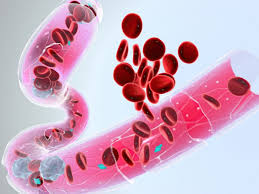
For families navigating the grueling reality of these inherited blood disorders, the results are a beacon of hope. Sickle cell disease causes red blood cells to become misshapen, blocking blood flow and causing agonizing pain crises (vaso-occlusive crises or VOCs) and organ damage. Beta thalassemia patients, conversely, struggle to produce enough hemoglobin, requiring frequent, lifelong blood transfusions that can lead to iron overload and other complications.
Key Findings: High Efficacy in Younger Cohorts
The data presented in Orlando highlighted 100% efficacy in the primary endpoints for both conditions among evaluable patients:
-
Sickle Cell Disease: In the trial involving children aged 5 to 11, 11 patients have been dosed. Of the four children who had sufficient follow-up to be evaluated, all four (100%) remained completely free of vaso-occlusive crises for at least 12 consecutive months. The longest duration without a pain crisis extended to nearly two years.
-
Beta Thalassemia: In the corresponding TDT trial, 13 children were dosed. Among the six patients evaluable for the primary endpoint, all six (100%) achieved transfusion independence for at least 12 consecutive months. These children maintained normal hemoglobin levels without the need for blood transfusions, with the longest transfusion-free period approaching two years.
“A 100% success rate is rare in anything that we do,” noted Dr. Haydar Frangoul, medical director of pediatric hematology/oncology at the Sarah Cannon Research Institute and a lead study investigator. “We think treating them at an earlier age may be better because you could potentially prevent some irreversible complications that lead to chronic issues.”
The Science: How Casgevy Works
Casgevy utilizes the Nobel Prize-winning CRISPR/Cas9 gene-editing technology. It works by editing a patient’s own hematopoietic (blood) stem cells. The “molecular scissors” of CRISPR are used to edit the BCL11A gene, which acts as a brake on the production of fetal hemoglobin.
Fetal hemoglobin is a form of oxygen-carrying protein naturally present during development but usually switched off after birth. By disabling the “brake,” Casgevy allows the body to resume producing fetal hemoglobin. This healthy hemoglobin compensates for the defective adult hemoglobin in sickle cell and beta thalassemia patients, effectively preventing the red blood cells from sickling or failing to mature.
The procedure is complex. It requires collecting the patient’s stem cells, editing them in a lab, and then reinfusing them. Crucially, before the edited cells can be returned, the patient must undergo chemotherapy (conditioning) to clear space in the bone marrow.
Implications for Public Health
The shift toward treating younger children represents a strategic pivot in managing these chronic diseases. Historically, treatments like hydroxyurea or chronic transfusions managed symptoms but did not cure the underlying genetic defect. Bone marrow transplants offered a cure but required a matched donor, which fewer than 20% of patients have.
Treating patients between ages 5 and 11 could fundamentally alter their long-term health trajectory. Dr. Frangoul emphasized that early intervention acts as a preventative measure against the “silent” damage — such as strokes, kidney failure, and bone death — that accumulates over decades in untreated patients.
Vertex plans to file for regulatory approval for this age group in the first half of 2026. The company has already received a “National Priority Voucher” for the 5-11 age group, which is expected to expedite the FDA’s review process.
Safety Profile and Limitations
While the efficacy data is stellar, the safety profile remains a critical consideration. The adverse events observed in the younger group were generally consistent with those seen in older patients and were primarily attributed to the busulfan chemotherapy conditioning regimen rather than the gene editing itself.
Common side effects included low platelet counts and low white blood cell counts, which increase the risk of bleeding and infection.
A somber note in the data was the report of one death in the beta thalassemia trial. A patient developed severe veno-occlusive disease (VOD), a liver complication known to be a risk associated with busulfan chemotherapy. The patient subsequently suffered multi-organ failure. This tragic outcome underscores the significant risks still associated with the conditioning chemotherapy required for gene therapy, and it highlights the urgent need for less toxic “gentler” conditioning agents in the future.
Barriers to Access
Despite the clinical success, access remains a hurdle. Casgevy carries a list price of $2.2 million in the U.S. While insurers and Medicaid programs are beginning to cover it, the complex administration requires specialized treatment centers. Currently, Vertex has activated approximately 35 authorized treatment centers globally, but expanding this network is essential to reach patients, particularly in underserved regions where the burden of sickle cell disease is highest.
Conclusion
The results presented at ASH 2025 mark a pivotal moment in genomic medicine. By demonstrating that gene editing is safe and effective in children as young as five, Vertex has opened the door to a future where sickle cell disease and beta thalassemia could be “cured” before they rob children of their childhoods.
“I am excited to hopefully be able to offer this option to my younger patients soon, early in life,” said Dr. Frangoul. As the medical community awaits regulatory review in 2026, the focus will likely shift to optimizing safety protocols and ensuring equitable access to this groundbreaking therapy.
Medical Disclaimer: This article is for informational purposes only and should not be considered medical advice. Always consult with qualified healthcare professionals before making any health-related decisions or changes to your treatment plan. The information presented here is based on current research and expert opinions, which may evolve as new evidence emerges.
References
-
Primary Source: Vertex Pharmaceuticals. (2025, December 6). Vertex Presents New Data on CASGEVY®, Including First-Ever Data in Children Ages 5-11 Years, at the American Society of Hematology Annual Meeting.