 0
0
 0
0
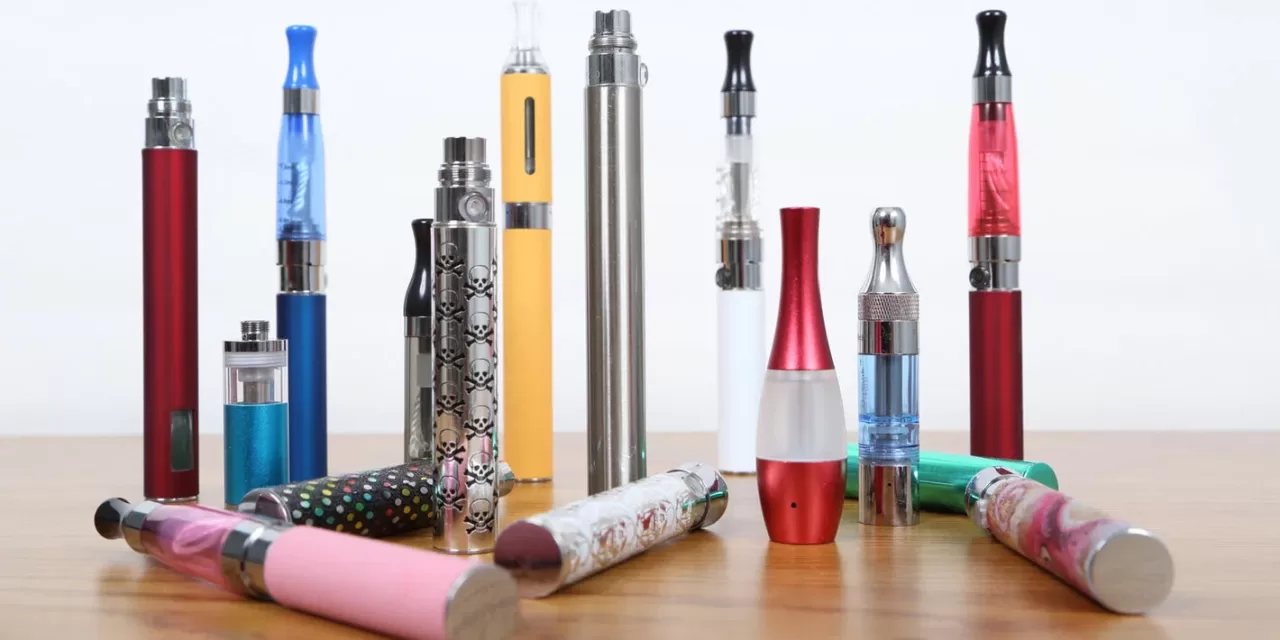
May 15, 2025 – The popularity of vaping continues to rise, especially among young adults and teenagers. However, health experts are sounding the alarm over a serious lung condition known as “popcorn lung,” which they say could be a lasting consequence of using e-cigarettes.
What Is “Popcorn Lung”?
“Popcorn lung,” medically known as bronchiolitis obliterans, is a rare but severe disease that damages the smallest airways in the lungs, leading to coughing, wheezing, and shortness of breath. The nickname comes from cases in the early 2000s, when workers at a microwave popcorn factory developed the condition after inhaling diacetyl-a buttery-flavored chemical used in popcorn flavoring.
The Vaping Connection
Recent research has found that some e-cigarette liquids contain diacetyl and other harmful chemicals. When these substances are inhaled, they can inflame and scar the lung tissue, potentially leading to popcorn lung. Unlike traditional cigarette smoke, which is known to contain tar and carcinogens, vaping was initially marketed as a safer alternative. However, mounting evidence suggests that vaping is not without its own risks.
Symptoms and Risks
Symptoms of popcorn lung include:
-
Persistent dry cough
-
Shortness of breath
-
Wheezing
-
Fatigue
These symptoms can worsen over time and may become permanent, even with treatment. There is currently no cure for popcorn lung; management focuses on relieving symptoms and preventing further damage.
Who Is at Risk?
While anyone who vapes is potentially at risk, young people are particularly vulnerable. The Centers for Disease Control and Prevention (CDC) has reported a sharp increase in vaping among teenagers, raising concerns about long-term health effects that may not become apparent for years.
What Can Be Done?
Health officials urge those who vape to be aware of the potential dangers and to seek medical attention if they experience respiratory symptoms. They also recommend stricter regulation of e-cigarette ingredients and clearer labeling to help consumers make informed choices.
Disclaimer:
This article is for informational purposes only and is not a substitute for professional medical advice, diagnosis, or treatment. Always seek the advice of your physician or other qualified health provider with any questions you may have regarding a medical condition. The information is based on current research and expert opinion as referenced in the original SciTechDaily article.