 0
0
 0
0
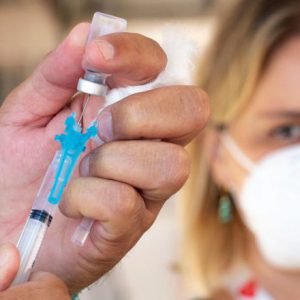
New evidence from large-scale studies reveals that receiving certain vaccines, notably the shingles (herpes zoster) vaccine, may significantly reduce the risk of developing dementia later in life. These findings, grounded in rigorous population research and expert analysis, highlight a promising frontier in dementia prevention—an urgent public health priority as dementia prevalence rises globally.
Key Findings from Recent Research
A landmark study published in Nature in 2025 analyzed health records of older adults in Wales and demonstrated that those who received the shingles vaccine were about 20% less likely to be diagnosed with dementia over a seven-year follow-up period compared with unvaccinated peers. This study used a natural experiment design that reduced confounding biases common in earlier associational research.
Additional analyses confirm consistent protective effects across vaccines including flu, hepatitis A, typhoid, diphtheria, and the respiratory syncytial virus (RSV) vaccine. For example, older adults vaccinated against influenza were observed to have approximately 40% lower risk of Alzheimer’s disease development over four years in some studies.
Expert Perspectives
Dr. Pascal Geldsetzer of Stanford Medicine, senior author of the notable shingles vaccine study, emphasized the unusually strong and persistent association found in the data: “This huge protective signal was there, any which way you looked at the data”. He underscored the meticulous adjustment for potential confounders such as education level, underlying diseases, and other vaccines.
Prof Sir Andrew Pollard of the University of Oxford, an expert on vaccine immunology, explained potential mechanisms behind vaccine-related dementia risk reduction. He noted that vaccines might protect against dementia either by preventing viral infections that could contribute to brain damage or through non-specific immune system effects that create a protective environment against neurodegeneration. The herpes zoster virus, responsible for shingles, reactivates from latency and may cause brain inflammation contributing to dementia, making the shingles vaccine a logical candidate for dementia prevention.
Context and Background
Dementia affects over 55 million people worldwide, with nearly 10 million new cases annually, mostly Alzheimer’s disease—the leading cause of dementia. Historically, dementia research has focused on amyloid plaques and tau tangles in the brain, but effective prevention or disease-modifying treatments remain elusive. This has motivated exploration of alternative factors, such as infectious agents including herpes viruses, in dementia pathogenesis.
The varicella-zoster virus that causes shingles remains dormant after childhood chickenpox infection and can reactivate decades later, especially in older adults or those with weakened immunity. Recurrent viral activity and inflammation may contribute to neurodegeneration and cognitive decline.
Vaccination programs for shingles and other infectious diseases may thus indirectly reduce dementia risk by preventing infection or modulating the immune response. This approach offers a low-cost, widely accessible intervention with potential long-term cognitive health benefits.
Implications for Public Health and Daily Decisions
The accumulating evidence supports benefits beyond direct infection prevention, suggesting routine adult vaccination may be an important strategy in reducing dementia incidence. Health policymakers might consider expanding shingles and other vaccine coverage in aging populations to harness these cognitive protective effects.
For individuals, staying up to date with recommended vaccines—especially shingles vaccination after age 50 or 60—emerges as a practical step toward preserving brain health alongside established healthy lifestyle measures such as exercise and diet.
Limitations and Balanced Viewpoint
While the data are compelling, it is crucial to understand these studies are observational and cannot conclusively prove causation. There may remain unmeasured factors influencing dementia risk. The exact biological mechanisms linking vaccines and dementia risk are not fully elucidated, requiring further research.
Vaccine effectiveness may vary, and protection could wane over time. Different vaccine formulations, such as live attenuated versus adjuvanted subunit vaccines, may have distinct impacts, potentially mediated by substances like AS01 that enhance immune responses.
Experts caution that vaccination should be viewed as part of a comprehensive dementia prevention approach rather than a standalone solution. Ongoing and future clinical trials and longitudinal studies will help clarify long-term benefits and mechanisms.
Medical Disclaimer
This article is for informational purposes only and should not be considered medical advice. Always consult with qualified healthcare professionals before making any health-related decisions or changes to your treatment plan. The information presented here is based on current research and expert opinions, which may evolve as new evidence emerges.
References
- https://www.nature.com/articles/s41586-025-08800-x
- https://med.stanford.edu/news/all-news/2025/03/shingles-vaccination-dementia.html
- https://timesofindia.indiatimes.com/life-style/health-fitness/health-news/vaccines-for-dementia-4-vaccines-that-can-lower-the-risk-of-the-progressive-disease/photostory/124153245.cms