 0
0
 0
0
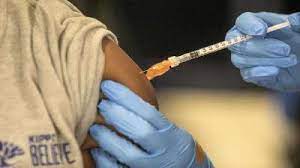
Vaccination rates for several preventable diseases—including measles, diphtheria, and polio—have continued to decline among young children in the United States, according to new data released by the Centers for Disease Control and Prevention (CDC). The findings reveal a troubling trend that has experts alarmed amid the country’s worst measles outbreak in over three decades.
Key Highlights
-
For the 2024–2025 school year, the coverage rate for the measles-mumps-rubella (MMR) vaccine among kindergartners dropped to 92.5%, down from 95% before the COVID-19 pandemic.
-
More than 286,000 kindergartners began school this year without having completed the full MMR vaccine series, leaving them vulnerable to infection.
-
Exemptions for at least one required vaccination reached an all-time high: 3.6% of kindergartners had an exemption in the last academic year, up from 3.3% the previous year. Nearly all of these (99.8%) were for nonmedical reasons.
-
Thirty-six states and Washington, D.C., reported increases in exemption rates, with 17 states now exceeding a 5% exemption rate among kindergartners. Idaho and Utah had the highest exemption rates at 15.4% and 10.3% respectively.
Measles Outbreak Accelerates
The drop in vaccination rates coincides with a sharp rise in measles cases. As of late July 2025, the CDC confirmed 1,333 measles cases across 40 states—the highest annual count since the disease was declared eliminated in the U.S. in 2000. Outbreaks have largely been concentrated in regions with low childhood vaccination rates. About 29% of confirmed cases are among children under 5 years, while 37% are in those aged 5–19 years.
Expert Concerns and Policy Shifts
Health officials warn that sustained vaccination coverage below 95% undermines herd immunity and increases the risk of outbreaks of diseases once thought to be nearly eradicated. The World Health Organization and CDC both emphasize that vaccination is the safest and most effective way to prevent severe illnesses, hospitalizations, and long-term health complications. However, the increase in exemptions—primarily for nonmedical reasons—reflects shifting attitudes and policy changes around childhood vaccination in several states.
Recent changes in federal vaccine policy under the Trump administration have also sparked debate, with some public health professionals cautioning that adjustments to vaccine recommendation procedures may further erode coverage. The Health and Human Services Department said, “The decision to vaccinate is a personal one,” but reaffirmed that vaccination “remains the most effective way to protect children from serious diseases like measles”.
The Bottom Line
More American children are now entering school without full protection against measles and other preventable illnesses, raising the risk of further outbreaks. Health officials urge parents to consult with healthcare providers about the importance of timely vaccinations for their children.
Disclaimer: This news article is based on recent reports and data released by U.S. health authorities as of August 1, 2025. The information provided is for general informational purposes only and should not be considered medical advice. Readers are encouraged to consult healthcare professionals for personal medical recommendations and to verify information with official health sources as updates may occur.