 0
0
 0
0
The U.S. Centers for Disease Control and Prevention (CDC) has issued a Level 2 travel advisory for Guangdong Province in China following a significant outbreak of chikungunya virus, a mosquito-borne illness known for causing debilitating joint pain. Since June 2025, over 8,000 cases have been reported, with the city of Foshan identified as the epicenter. The CDC advises travelers to take enhanced precautions to prevent infection and warns pregnant women to reconsider travel, particularly near delivery.
Key Findings and Developments
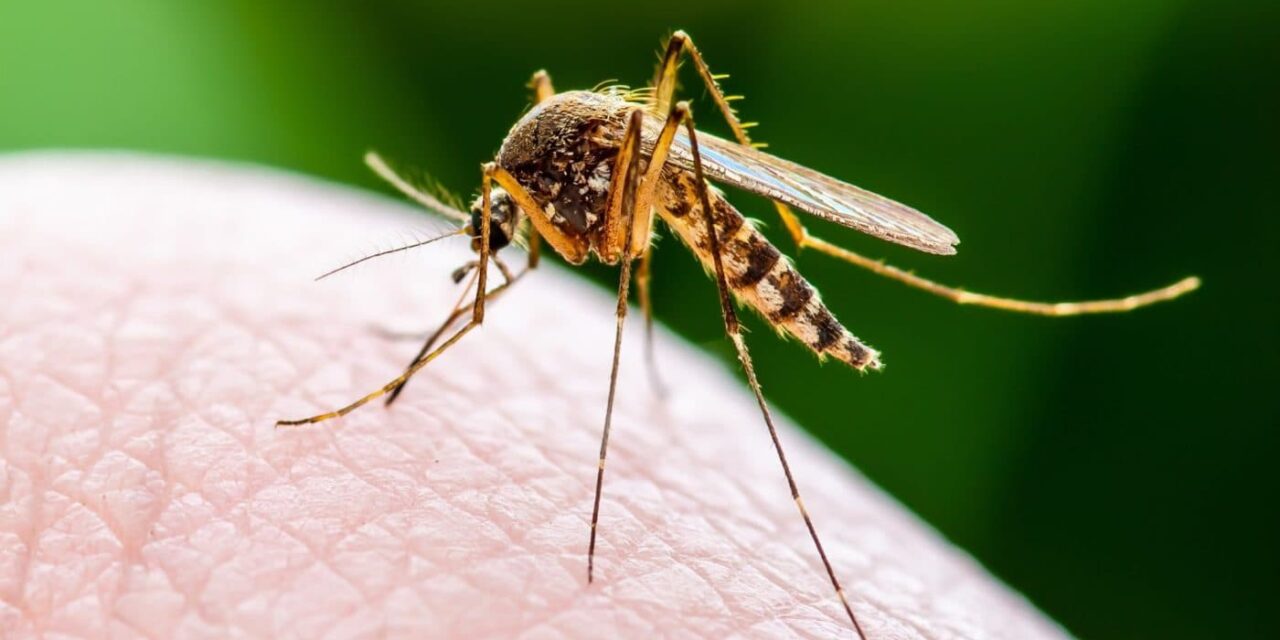
The chikungunya outbreak in southern China has expanded rapidly, with over 8,000 confirmed cases in Guangdong Province since early summer 2025. The virus is transmitted by Aedes mosquitoes, which flourish in warm, humid climates worsened this season by monsoon flooding that created optimal breeding conditions for these vectors.
Chikungunya is characterized by the sudden onset of fever, severe joint pain often in hands and feet, headache, muscle pain, rash, and joint swelling. While rarely fatal, the joint pain can persist for months or even years, leading to long-term disability in some patients.
In response to the outbreak, the Chinese government has reinstated COVID-era measures in Guangdong, such as recording medicine purchases, mass testing, travel history tracking, and community disinfection campaigns to curb disease spread.
Expert Commentary
Dr. Todd Ellerin, chief of infectious diseases at South Shore Health in Massachusetts, emphasizes the importance of preventive measures for travelers: “Travelers should absolutely take precautions—wear long sleeves and pants, use EPA-registered insect repellents containing DEET, and use mosquito netting for infants who cannot use repellent”. He underscores that while vaccination exists, pregnant women, especially near delivery, should avoid travel due to the risk of neonatal transmission.
An infectious disease expert from the Hong Kong Centre for Health Protection highlighted the importance of mosquito control: “Simple actions like using insect repellent, sleeping under mosquito nets, and avoiding stagnant water can go a long way in preventing infection”.
Context and Background
Chikungunya virus (CHIKV) was first identified in Tanzania in 1952 and is part of the alphavirus genus. It has primarily caused outbreaks in tropical and subtropical areas but is increasingly reported in new regions due to climate change expanding mosquito habitats globally.
Globally, approximately 35 million people contract chikungunya virus annually in over 180 countries. Though deaths are rare, around 3,700 fatalities are estimated yearly. In the US, travel-related cases numbered 46 this year compared to nearly 200 in 2024. There have been no locally transmitted cases in the US since 2019.
Public Health Implications
The outbreak highlights ongoing challenges in controlling mosquito-borne diseases in densely populated and climate-vulnerable regions. For travelers, the CDC advises a Level 2 travel advisory, which corresponds to practicing enhanced precautions such as:
-
Using EPA-approved insect repellents consistently
-
Wearing long-sleeved shirts and pants
-
Staying in accommodations with window screens or air conditioning
-
Avoiding mosquito breeding grounds like stagnant water
Pregnant women, particularly those close to giving birth, are strongly advised to reconsider travel due to rare but serious risks of vertical transmission from mother to newborn, which can result in severe illness.
Potential Limitations and Counterarguments
While the CDC and local health authorities stress preventive measures and vaccination where possible, limitations exist. Currently, treatments for chikungunya are symptomatic, as no antiviral therapies are available. Vaccination is newly approved but generally deferred during pregnancy except in high-risk scenarios after medical consultation.
Moreover, the Chinese government has not imposed travel restrictions but rather implemented measures similar to those used during COVID-19 to manage the outbreak, which may cause concern or inconvenience but aim to prevent wider spread.
Experts caution that while the risk outside Guangdong remains low, the outbreak spotlights the broader need for global vector control as climate change and urbanization increase mosquito-borne infections worldwide.
Practical Takeaways for Readers
For health-conscious individuals and travelers:
-
Stay informed about travel advisories and vaccine availability.
-
Use insect repellent containing DEET on exposed skin.
-
Wear protective clothing, especially during dawn and dusk when mosquitoes are most active.
-
Choose accommodations with proper mosquito control measures.
-
Pregnant women should seek healthcare advice before travel to affected areas.
These steps remain the best defense against chikungunya, a disease with no specific cure but significant potential for long-lasting joint pain and other complications.
Medical Disclaimer: This article is for informational purposes only and should not be considered medical advice. Always consult with qualified healthcare professionals before making any health-related decisions or changes to your treatment plan. The information presented here is based on current research and expert opinions, which may evolve as new evidence emerges.
References: