 0
0
 0
0
U.S. health officials are racing against a January 2026 deadline to prove that ongoing measles outbreaks in states like South Carolina, Arizona, and Utah represent distinct transmission chains, not a single continuous spread that could strip the nation of its elimination status held since 2000. The Centers for Disease Control and Prevention (CDC) reported over 2,065 confirmed cases in 2025 alone—the highest annual total since 1992—primarily among unvaccinated individuals, with infections spilling into the new year. As cases mount, genetic analysis and epidemiological data form the crux of arguments to the World Health Organization’s Pan American Health Organization (PAHO), amid declining vaccination rates and public health warnings.
Outbreak Hotspots and Case Surge
South Carolina’s Upstate region, particularly Spartanburg County, anchors one of the largest clusters, with 214 confirmed cases as of January 6, 2026—211 tied to an outbreak that began in July 2025. Nearly all cases (196 of 211 reported earlier this week) involve unvaccinated people, mostly school-age children exposed at schools and churches, prompting quarantines for over 140 individuals and hospitalizations for at least four. Adjacent outbreaks straddle the Arizona-Utah border: Arizona tallies around 190-205 cases, mainly in Mohave County, while Utah reports 125-156, with 97% unvaccinated and recent exposures at schools, clinics, and dental offices.
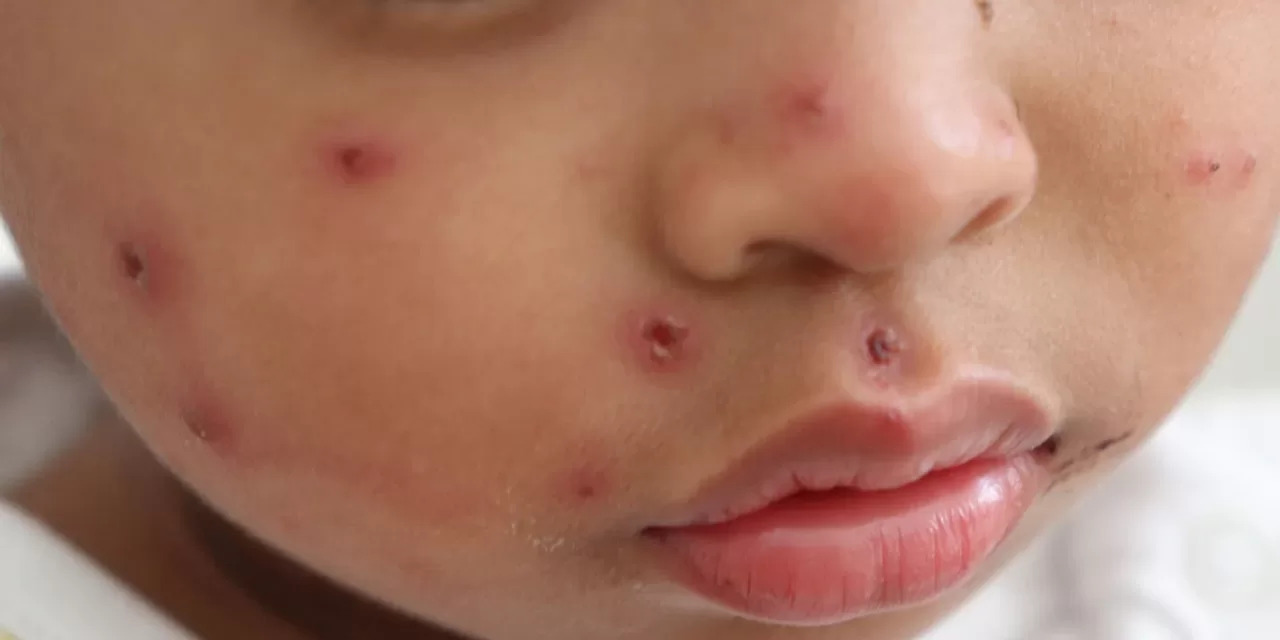
These clusters follow a massive 2025 outbreak in West Texas that sickened about 800, claimed three unvaccinated lives—the first U.S. measles deaths since 2015—and spread to New Mexico. Nationally, 88% of 2025 cases linked to 47 outbreaks, with 11% requiring hospitalization; one dose of the MMR vaccine is 93% effective, rising to 97% with two doses. Measles, caused by a highly contagious paramyxovirus spread via respiratory droplets, infects 9 out of 10 susceptible contacts and can lead to complications like pneumonia, encephalitis, or death in 2-3 per 1,000 cases, per WHO estimates.
The Stakes of Elimination Status
The U.S. earned measles elimination status in 2000 by interrupting indigenous transmission for over 12 months, verified by robust surveillance. PAHO assesses this annually; sustained local transmission of the same strain for 12+ months revokes it, as happened to Canada in November 2025 after a year-long outbreak. Officials argue current hotspots stem from separate importations, not the Texas strain (genotype B3, subtype 9171), based on whole-genome sequencing showing distinct genetic profiles.
Kelly Oakeson, director of next-generation sequencing at the Utah Public Health Laboratory, stated via email: “We don’t believe there is a direct link” between Utah-Arizona cases and Texas, as the strains are “different enough,” despite incomplete travel histories from some patients. CDC analysis reveals a three-week gap after Texas cases halted in July 2025, before Utah-Arizona began, supporting disconnection. Dr. Noel Brewer, an infectious disease specialist at the University of North Carolina not involved in the sequencing, reviewed CDC data and affirmed: “There were no cases that clearly linked the two outbreaks.” An independent committee chaired by Brewer will advise PAHO on U.S. data submission by late January.
Vaccination Decline Fuels Crisis
Kindergarten MMR coverage fell from 95.2% in 2019-2020 to 92.7% in 2023-2024, missing the 95% herd immunity threshold and affecting 280,000 children. Experts link this to vaccine hesitancy amplified by misinformation, though the MMR vaccine’s safety profile is robust, with decades of data showing rare serious side effects. Dr. Linda Bell, South Carolina state epidemiologist leading the response, noted: “The sharp increase in cases and the number of people currently in quarantine does not indicate the outbreak is waning.” Former CDC Director Demetre Daskalakis, who resigned in 2025 over policy concerns, warned PAHO’s verdict hinges on data strength: “If they find the strength of one part of the data lacking… it indicates that the U.S. has indeed lost that status.”
Contextually, 2025 marked the worst year since revised MMR guidelines in 1992 pushed cases from 2,216 down dramatically. Low-vaccination pockets—often religious or ideological communities—drive spread, like Colorado City in Arizona.
Public Health Implications
Retaining elimination bolsters U.S. credibility in global measles control, as loss signals surveillance or vaccination gaps. For the public, outbreaks underscore urgency: unvaccinated children face highest risk, but herd immunity protects infants too young for shots. Practical steps include verifying vaccination records—two MMR doses for school entry—and post-exposure prophylaxis like immunoglobulin for high-risk groups within days. Officials urge avoiding exposures; quarantines last 21 days, matching measles’ incubation.
Broader impacts hit healthcare: 222 hospitalizations in 2025 strained systems, with potential for more as winter gatherings continue. Losing status could spur importations, but regaining is feasible with catch-up campaigns, as Canada eyes.
Limitations and Counterpoints
Challenges persist: incomplete patient histories hinder linking cases definitively, and sequencing isn’t foolproof for all variants. Critics argue sustained 2025 cases across states suggest endemicity, regardless of strains; William Moss of Johns Hopkins warned earlier of risks if trends held. Recent HHS moves to revise childhood schedules—recommending fewer shots—spark debate on whether they undermine trust amid crisis. No evidence ties revisions to hesitancy spikes, but timing fuels skepticism. PAHO’s call remains pending, with full 2026 data pivotal.
Despite efforts, experts like Brewer stress sustained high coverage: “Vaccination and rapid reporting are critical to limit the spread & hospitalizations.”
Medical Disclaimer: This article is for informational purposes only and should not be considered medical advice. Always consult with qualified healthcare professionals before making any health-related decisions or changes to your treatment plan. The information presented here is based on current research and expert opinions, which may evolve as new evidence emerges.
References
- https://www.reuters.com/legal/litigation/us-builds-case-retain-measles-elimination-status-infections-mount-2026-01-06/