 0
0
 0
0
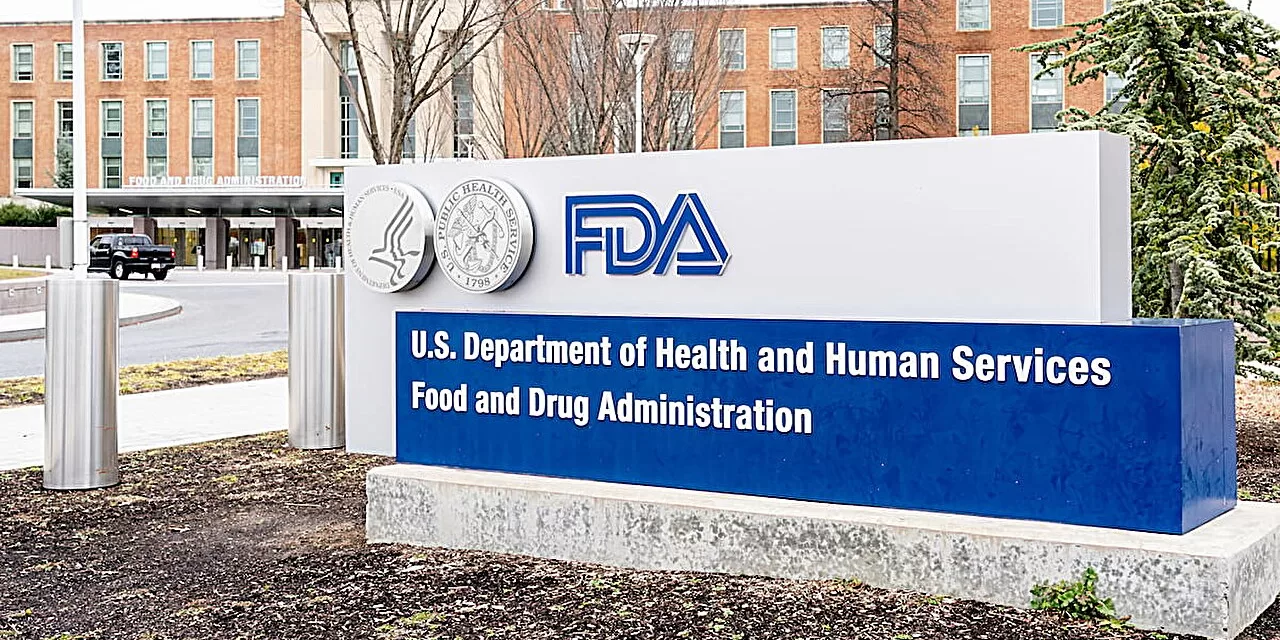
Vinay Prasad, an oncologist and prominent critic of U.S. drug approval policies, has left his post as the top vaccine official at the U.S. Food and Drug Administration after less than three months in the role. The announcement was confirmed late Tuesday by a spokesperson for the Department of Health and Human Services, who said Prasad decided to step down so as “not to distract from the important work being done at the FDA during the Trump administration,” and to return to California to spend more time with his family.
Prasad, who started as Director of the Center for Biologics Evaluation and Research in May, quickly drew national attention for his contrarian stances on vaccine policy and the FDA’s drug approval process. During his short tenure, the FDA enacted several controversial moves, most notably limiting COVID-19 vaccine recommendations exclusively to those 65 and older, or to high-risk groups, and requiring vaccine manufacturers to present additional clinical trial data to justify use in younger, healthier populations. Prasad also oversaw decision-making that paused, then resumed, shipments of Sarepta Therapeutics’ gene therapy for Duchenne’s muscular dystrophy after a series of patient deaths—a move that was met with both praise and criticism.
Industry Reaction and Controversy
Prasad’s leadership was met with strong reactions from biotech executives, patient advocacy groups, and political leaders. Internal sources reported that his removal came after a series of regulatory decisions that unsettled both the biotech sector and conservative political allies of President Donald Trump, with some citing past social media posts in which Prasad criticized Trump and praised left-leaning politicians. This sparked outrage among right-wing activists and led to calls for his ouster. Despite this, FDA Commissioner Marty Makary publicly supported Prasad, calling him “an impeccable scientist … one of the greatest scientific minds of our generation”.
Investor sentiment seemed to rebound in the aftermath of Prasad’s departure. Following the news, shares in biotech companies whose applications had been rejected or delayed under his tenure—including Replimmune, Sarepta, and Capricor—rose sharply in premarket trading.
What’s Next for the FDA
Prasad’s exit is expected to usher in further changes at the agency. Dr. George Tidmarsh, a pharmaceutical executive and recently hired director at the FDA, will serve as acting head of the Center for Biologics Evaluation and Research. Industry analysts suggested that bringing in a more experienced and less divisive figure could help restore stability and confidence at the regulator.
Background
Prasad joined the FDA from academia, with a reputation for holding the agency to rigorous scientific standards and expressing skepticism about its approach to fast-tracking drug approvals, particularly for cancer drugs and emerging gene therapies. His approach stood in contrast to his predecessor, Dr. Peter Marks, who presided over a period of rapid approvals for new gene therapies and COVID-19 vaccines.
Disclaimer
This article is based on information available as of July 31, 2025. The details and perspectives presented rely on news reporting and official statements at the time of publication.