 0
0
 0
0
The United States is experiencing an intensifying summer surge of COVID-19, with nationwide wastewater activity rising from “low” to “moderate” levels in just one week, according to the latest update from the Centers for Disease Control and Prevention (CDC). The western states, including Alaska, California, Colorado, Nevada, and Utah, are seeing the sharpest spikes in viral activity.
Wastewater monitoring, which offers an early indication of community spread, signals an escalating risk of infection. The CDC reports that COVID-19 cases are now increasing or likely increasing in 45 states, up from 40 states the previous week. Although emergency room visits remain relatively low, they are on an upward trend.
Medical experts highlight that summer spikes in COVID-19 have become a common pattern alongside the traditional winter surges. Despite this, hospitalizations and deaths due to the virus have been gradually declining year by year. Nonetheless, vulnerable populations, such as the elderly, young children, and immunocompromised individuals, continue to face greater risks.
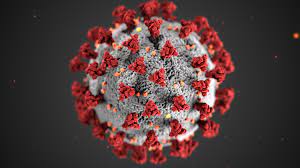
Contributing to the surge is a novel COVID-19 variant named Stratus (XFG), also known as the “Frankenstein variant” for its unique genetic combination of LF.7 and LP.8.1.2 lineages. Originally detected in Canada, Stratus has now been identified in at least 38 countries, including the United States, and has quickly risen from representing 7% to nearly 23% of global cases within weeks. While the variant does not cause more severe illness, it is highly transmissible and better at evading immunity in populations with low booster vaccination rates.
Distinctive early symptoms of Stratus include hoarseness or a raspy voice, sometimes accompanied by a painful sensation described as “swallowing glass” in the throat. This is often followed by typical COVID-19 symptoms such as fever, cough, sore throat, fatigue, and nasal congestion.
The World Health Organization has classified Stratus as a Variant Under Monitoring, citing its rapid global spread and immune-evasion capabilities. Experts emphasize that updated COVID-19 vaccines remain effective in preventing severe disease, hospitalizations, and deaths despite a slight reduction in antibody response to this variant.
Public health authorities recommend staying current on booster doses, seeking testing promptly if symptoms develop, wearing masks in crowded indoor spaces, practicing good hygiene, improving indoor ventilation, and isolating when sick. Health officials warn that even though Stratus is not more deadly, its capacity to spread quickly could place substantial strain on healthcare systems and communities if precautions are neglected.
Disclaimer: This article is based on information available as of August 9, 2025. COVID-19 and its variants continue to evolve, and guidance may change as new data emerges. For the latest recommendations, please consult official public health sources.