 0
0
 0
0
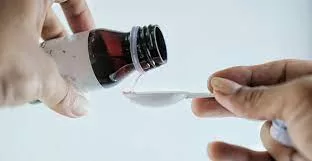
HYDERABAD – The Telangana Drugs Control Administration (DCA) has issued an emergency public health advisory following the discovery of ethylene glycol—a highly toxic industrial chemical—in a common pediatric medicine. On Saturday, January 10, 2026, authorities ordered an immediate freeze on the sale and distribution of Almont-Kid Syrup (Batch No. AL-24002), a medication widely prescribed for children suffering from allergies, hay fever, and asthma.
The alert was triggered by a laboratory report from the Central Drugs Standard Control Organisation (CDSCO), East Zone, Kolkata, which flagged the syrup as “adulterated.” The affected batch, manufactured by Bihar-based Tridus Remedies, was found to contain levels of ethylene glycol far exceeding safety limits, posing a life-threatening risk of acute kidney injury and organ failure in children.
The Scope of the Contamination
The investigation into Almont-Kid Syrup revealed a staggering breakdown in manufacturing standards. Laboratory analysis conducted in Pondicherry as part of the nationwide alert found the syrup contained 1.4876% w/w of ethylene glycol. This concentration is nearly 15 times higher than the globally recognized safety limit of 0.1%.
Furthermore, investigators reported that the syrup failed its potency tests, containing only 21.4% of its claimed active ingredient, montelukast sodium. Physical inspections of the bottles even revealed white crystalline, undissolved particles settled at the bottom, indicating severe quality control failures.
Product Details at a Glance:
-
Product Name: Almont-Kid Syrup (Levocetirizine Dihydrochloride & Montelukast Sodium)
-
Batch Number: AL-24002
-
Manufacturing Date: January 2025
-
Expiry Date: December 2026
-
Manufacturer: Tridus Remedies, Hajipur, Vaishali, Bihar
Understanding the Danger: What is Ethylene Glycol?
Ethylene glycol (EG) is a colorless, odorless, and sweet-tasting liquid primarily used as an industrial solvent and in automotive antifreeze. Because of its sweet taste, it can be easily ingested by children if present in medicinal syrups.
“Ethylene glycol has no place in pharmaceutical manufacturing,” says Dr. Arvind Kumar, a senior pediatrician not involved in the regulatory action. “When ingested, the body breaks it down into toxic metabolites like glycolic acid and oxalic acid. These substances cause a massive buildup of acid in the blood and form needle-like crystals in the kidneys, which can lead to rapid, irreversible organ failure.”
Symptoms to Watch For
If a child has consumed the affected batch, parents should monitor for symptoms which often appear in stages:
-
Stage 1 (30 mins to 12 hours): Vomiting, abdominal pain, and a state resembling intoxication (dizziness or slurred speech).
-
Stage 2 (12 to 24 hours): Increased heart rate, rapid breathing, and dehydration.
-
Stage 3 (24 to 72 hours): Decreased or absent urination, indicating acute kidney failure.
Regulatory Action and Public Instructions
The Telangana DCA has mobilized inspectors across the state to ensure that all stocks of the contaminated batch are removed from retail shelves, hospital pharmacies, and distributor warehouses.
“The public is hereby strongly advised to immediately stop the use of the above syrup, if in possession, and report the same to the nearest Drugs Control Authority without delay,” the DCA stated in its official press note.
How to Report:
-
Toll-Free Helpline: 1800-599-6969 (Operational 10:30 AM to 5:00 PM on working days).
-
Disposal: Do not throw the bottle in regular household trash. Return it to your local pharmacy or the nearest drug control office for safe disposal to prevent environmental contamination.
Context: A Global Safety Crisis
This incident is the latest in a series of global alerts involving contaminated pediatric syrups. Similar contaminations involving ethylene glycol and diethylene glycol (DEG) led to hundreds of deaths in Gambia, Uzbekistan, and Indonesia between 2022 and 2024.
While the Telangana DCA has initiated enforcement actions against Tridus Remedies, the incident highlights ongoing challenges in the pharmaceutical supply chain. Independent health advocates suggest that these contaminations often occur when manufacturers use cheaper, industrial-grade solvents instead of pharmaceutical-grade glycerin or propylene glycol.
Recommendations for Parents
While this alert is specific to Batch No. AL-24002 of Almont-Kid Syrup, healthcare professionals urge parents to remain vigilant with all liquid medications.
-
Check the Label: Always verify the batch number and expiry date before administering any medicine.
-
Consult Professionals: If your child is currently taking an allergy syrup, contact your pediatrician to confirm if it is part of the recall or to discuss safer alternatives.
-
Seek Immediate Care: If your child has taken this specific batch and shows signs of vomiting, lethargy, or changes in urination, go to an emergency room immediately.
Medical Disclaimer: This article is for informational purposes only and should not be considered medical advice. Always consult with qualified healthcare professionals before making any health-related decisions or changes to your treatment plan. The information presented here is based on current research and expert opinions, which may evolve as new evidence emerges.
References
https://www.msn.com/en-in/health/health-news/almont-kid-syrup-banned-in-telangana-over-presence-of-highly-toxic-substance/ar-AA1TYSgT