 0
0
 0
0
Kochi, Kerala — In a concerning public health development, Kerala has reported a historic surge in amoebic meningoencephalitis cases, with government data confirming 170 infections and 42 deaths in 2025 alone. The figures, presented in the Lok Sabha on December 5, 2025, mark a dramatic escalation from previous years, prompting urgent interventions from state and central health authorities.
The Breaking Situation
Union Minister of State for Health, Prataprao Jadhav, officially confirmed the statistics in a written reply to Parliament, highlighting the stark trajectory of the outbreak. “While the year 2023 saw two cases and two deaths due to amoebic meningoencephalitis, it jumped to 39 cases and 9 deaths in 2024. The cases soared to 170 in 2025,” Jadhav stated.
The outbreak affects multiple districts across Kerala, including Thiruvananthapuram, Kollam, and Kozhikode. While the infection—primarily caused by the free-living amoeba Naegleria fowleri—is historically rare and lethal, the sheer volume of cases this year has triggered a “One Health” emergency response involving the Indian Council of Medical Research (ICMR) and the National Centre for Disease Control (NCDC).
Understanding the Pathogen
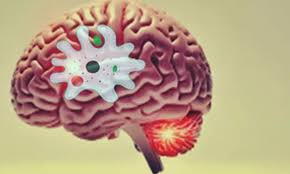
Primary Amoebic Meningoencephalitis (PAM) is a severe brain infection caused by Naegleria fowleri, often dubbed the “brain-eating amoeba.” The microscopic organism thrives in warm freshwater bodies such as lakes, rivers, and poorly maintained swimming pools.
“The amoeba enters the human body through the nose, typically during swimming or diving,” explains Dr. Anjali Menon, an infectious disease specialist in Kochi (not involved in the government report). “From the nasal cavity, it travels up the olfactory nerve to the brain, where it destroys brain tissue and causes massive swelling. It is important to clarify that you cannot get infected by drinking the water.”
However, the current outbreak presents a medical anomaly. While Naegleria fowleri has a global fatality rate exceeding 97%, the current mortality rate in Kerala stands at approximately 25%. Health officials attribute this to a combination of factors:
-
Early Detection: Aggressive surveillance has identified cases at the initial symptom stage.
-
Broader Diagnosis: The 170 cases likely include infections by related amoebae like Acanthamoeba and Vermamoeba, which may have different clinical courses than the hyper-lethal Naegleria.
-
Experimental Protocols: Doctors have successfully used a cocktail of drugs, including Miltefosine, to treat patients who would have previously been considered terminal.
Climate Change and Environmental Triggers
Experts point to environmental shifts as a primary driver of the surge. Rising global temperatures have warmed freshwater bodies, creating ideal breeding grounds for the thermophilic (heat-loving) amoeba.
“We are seeing a clear link between warming water bodies, stagnant water post-monsoon, and the rise in amoebic concentrations,” noted Kerala Health Minister Veena George in an earlier assembly address. The state has also identified unscientific waste disposal and water contamination as exacerbating factors.
Public Health Response and Prevention
In response to the crisis, the Kerala government has launched the ‘Jalamanu Jeevan’ (Water is Life) campaign, mandating the chlorination of public pools and water sources. The state has issued strict advisories for the public:
-
Avoid Nasal Exposure: Use nose clips when swimming in freshwater bodies.
-
Water Hygiene: Use only boiled or distilled water for nasal irrigation (e.g., Neti pots).
-
Chlorination: Ensure private and public swimming pools are adequately chlorinated.
-
Symptom Watch: Seek immediate medical attention for sudden severe headaches, fever, nausea, or stiff neck after swimming.
Implications for the Future
The scale of the 2025 outbreak suggests that Naegleria fowleri and related infections may no longer be “rare” anomalies but emerging public health threats driven by climate change. “This is a wake-up call not just for Kerala, but for all tropical regions,” warns Dr. Menon. “Our water safety protocols must evolve to address these microscopic threats.”
Medical Disclaimer: This article is for informational purposes only and should not be considered medical advice. Always consult with qualified healthcare professionals before making any health-related decisions or changes to your treatment plan. The information presented here is based on current research and expert opinions, which may evolve as new evidence emerges.
References:
-
Parliamentary Statement: Union Minister of State for Health Prataprao Jadhav, Lok Sabha Written Reply, December 5, 2025. (Data source for 170 cases/42 deaths).