 0
0
 0
0
San Francisco, Apr 15 – A new study from the University of California-San Francisco (UCSF) raises alarms about the potential cancer risks associated with repeated exposure to unnecessary CT scans, suggesting the danger could be comparable to known carcinogens like alcohol consumption and obesity. The research indicates that radiation from computed tomography (CT) scans might contribute to as much as 5 percent of all cancer cases annually in the United States.
Published in the prestigious journal JAMA Internal Medicine, the study estimates that out of the 93 million CT scans performed nationwide in 2023, nearly 103,000 subsequent cancer cases could be linked to this radiation exposure. This figure is significantly higher than previous estimates, potentially three to four times greater, according to the UCSF researchers.
“CTs can save lives, but their potential harms are often overlooked,” stated Dr. Rebecca Smith-Bindman, a radiologist at UCSF and the study’s lead author. “Our data suggests that CT scans are on par with alcohol use and excess body weight as risk factors for cancer.”
The research highlights a particularly concerning risk for children, especially infants under one year old, who face the highest relative cancer risk from CT scan radiation. For pediatric patients, the study identified thyroid, lung, and breast cancers as the most common types potentially linked to the scans. Among adults, the highest risks were associated with cancers of the lung, colon, bladder, and breast, along with leukemia.
While adults undergo CT scans more frequently, with usage peaking between the ages of 60 and 69, children still represented 4.2 percent of the scans analyzed in the extensive study.
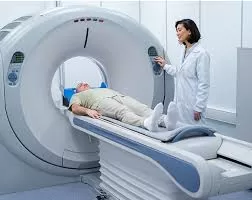
CT scans are widely acknowledged as indispensable diagnostic tools, enabling doctors to visualize internal structures, detect tumours, and diagnose numerous medical conditions. However, the technology utilizes ionizing radiation, a known carcinogen.
Dr. Smith-Bindman stressed the need for careful consideration when ordering these scans. “Reducing the number of unnecessary scans and lowering the radiation dose per scan would save lives,” she urged.
The study’s conclusions are based on a comprehensive review of 93 million CT examinations involving over 61.5 million patients across the US. The authors advocate for the implementation of stricter guidelines and heightened awareness among both clinicians and patients to curb the overuse of CT imaging, particularly for younger, more vulnerable populations.
Disclaimer: This news article is based on a single study published in JAMA Internal Medicine. Medical decisions, including the necessity of CT scans, should always be made in consultation with qualified healthcare professionals who can assess individual risks and benefits.