 0
0
 0
0
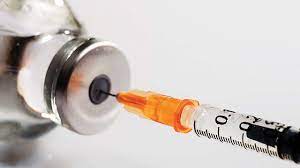
UNICEF has reported that Israel is blocking the entry of more than one million syringes needed to vaccinate children in Gaza, severely hampering critical vaccination campaigns amid ongoing humanitarian crises in the region. This blockade, alongside the withholding of other essential medical supplies such as solar-powered refrigerators for vaccine storage and infant formula bottles, is impacting efforts to protect vulnerable populations, especially children, from vaccine-preventable diseases in the war-devastated territory.
Key Developments on Syringe Blockade in Gaza
UNICEF announced on November 11, 2025, that approximately 1.6 million syringes, awaiting customs clearance since August, have been blocked from entering Gaza. These syringes are essential for conducting mass vaccination campaigns targeting tens of thousands of children under age three who require immunization against diseases such as measles, polio, and diphtheria. UNICEF’s vaccination drive is underway but faces challenges completing its two remaining rounds without these critical supplies. UNICEF spokesperson Ricardo Pires emphasized the urgency, stating the campaign has started but additional supplies are necessary to continue and complete vaccination efforts.
Alongside syringes, solar-powered refrigerators critical for safely storing vaccines are also being withheld. The blockade extends to about 938,000 bottles of ready-to-use infant formula, which are vital for addressing widespread child malnutrition in Gaza, where health infrastructure has been severely damaged by ongoing conflict.
This obstruction comes despite a fragile ceasefire established in early October intended to facilitate humanitarian access. However, UNICEF and aid agencies report that the flow of essential medical and nutritional supplies remains insufficient to meet the needs of Gaza’s estimated 2 million residents, many of whom are displaced and suffer from malnutrition and disrupted healthcare services.
Expert Perspectives on the Vaccination Challenges
Medical experts underscore the critical public health risks posed by disruptions in vaccination programs. Dr. Amina Rashid, a global health specialist not involved in the UNICEF campaign, explains, “Routine childhood immunization is among the most cost-effective public health interventions to save lives and prevent lifelong disability. Delays or gaps in vaccine delivery due to supply shortages can lead to outbreaks of preventable diseases, reversing decades of progress.”
It is well documented that insufficient vaccine coverage in conflict zones significantly raises the risk of disease resurgence. For instance, polio, once nearly eradicated, has reemerged in Gaza with sporadic cases recorded amid ongoing instability and gaps in coverage. The failure to access injection supplies jeopardizes herd immunity needed to protect vulnerable children who may otherwise face severe complications or death from diseases like measles or polio.
UNICEF’s concerns are echoed by public health analysts who emphasize that without adequate syringes and cold chain equipment, vaccines cannot be safely administered or maintained at the correct temperature, risking vaccine efficacy and patient safety. The shortage situation echoes global challenges seen during the COVID-19 pandemic, when syringe availability was a critical bottleneck in vaccination rollouts, particularly in low- and middle-income countries.
Context and Public Health Implications
Gaza’s already fragile health system has been devastated by prolonged conflict and displacement. Before the recent conflict escalation, vaccination coverage was reported to be as high as 98%, with 55 immunization centers operating. This figure dropped below 70% following attacks that damaged or destroyed over half of these facilities, aggravating risks of disease outbreaks and malnutrition among children.
The blockade’s continuation could thus compromise the fragile gains in immunization coverage, leading to increased childhood morbidity and mortality. Children under age three are particularly vulnerable because of their developing immune systems and reliance on regular vaccinations to build protection against infectious diseases.
From a public health standpoint, the failure to vaccinate a critical mass of children not only endangers those directly affected but also risks wider community outbreaks that can quickly cross borders, threatening regional and global health security. It also places additional strain on humanitarian agencies working under difficult conditions to restore basic health services and nutrition programs.
Limitations and Conflicting Perspectives
Israel’s government has asserted that some items classified as “dual-use,” which could potentially be repurposed for military use, require thorough security review before entry. Israeli officials claim they have not blocked syringes or refrigeration equipment outright and have offered alternative solutions, although these proposals have yet to resolve the supply constraints reported by UNICEF.
The security concerns present a significant complicating factor in the humanitarian response in Gaza, highlighting the ongoing tension between ensuring aid reaches vulnerable populations promptly and addressing national security imperatives from Israel’s perspective.
Nonetheless, humanitarian organizations stress the urgent need for access to all essential health supplies without delay, warning that continued restrictions severely limit the ability to conduct lifesaving vaccination and nutrition programs.
What This Means for Readers and Public Health Practice
For global and local health stakeholders, this situation underscores the critical importance of secure, uninterrupted supply chains for vaccines, syringes, and related medical logistics in conflict and crisis zones. It serves as a stark reminder that disruptions in these basic resources can have cascading effects on public health outcomes.
Parents and caregivers in similar settings should remain vigilant about ensuring children receive timely vaccinations and seek medical care when needed, while advocacy for unrestricted humanitarian aid remains vital. Healthcare professionals may also need to adapt outreach strategies in conflict-affected areas by coordinating closely with international agencies to safeguard immunization efforts.
The broader public should recognize the interconnectedness of health, peace, and security—understanding that ensuring children’s health in conflict zones is essential not only to protect those communities but also to prevent wider disease outbreaks that could affect regions beyond.
Medical Disclaimer: This article is for informational purposes only and should not be considered medical advice. Always consult with qualified healthcare professionals before making any health-related decisions or changes to your treatment plan. The information presented here is based on current research and expert opinions, which may evolve as new evidence emerges.
References: