 0
0
 0
0
Islamabad, January 15, 2026 – The United Nations Population Fund (UNFPA) has called on Pakistan, now the world’s fifth-most populous nation with over 255 million people, to reframe its rapid population growth not as a burden but as a strategic driver for sustainable development. This timely intervention, highlighted in recent UNFPA statements and echoed in Pakistani media, underscores persistent challenges in reproductive health, gender equality, and public services as the country enters 2026.
Key Demographic Realities
Pakistan’s population has surged past 255 million, propelled by a high total fertility rate (TFR) of around 3.2 and an intercensal growth rate of 2.55% as per recent census data. UNFPA notes that high fertility rates, coupled with stalled declines, exacerbate pressures on health systems, education, and employment, particularly in rural and climate-vulnerable areas. These trends link directly to reproductive health indicators: an unmet need for family planning affects 17.8% of women, with contraceptive prevalence at just 34% despite 96% awareness of modern methods.pakistan.
The health implications are stark. Maternal mortality ratio (MMR) stands at approximately 186 deaths per 100,000 live births nationally, though recent WHO estimates suggest progress to 155 by 2024, varying sharply by province—lowest in Punjab at 157 and highest in Balochistan at 298. Neonatal mortality hovers at 37.6 per 1,000 live births, with daily losses of 27 mothers and 675 newborns from preventable causes. UNFPA identifies early marriages, gender-based violence, and unequal access to services as key drivers, compounding 2.2 million unsafe abortions annually.pakistan.
UNFPA’s Policy Recommendations
UNFPA advocates integrating population dynamics into national planning, especially reforming the National Finance Commission (NFC) formula to prioritize outcomes over sheer population size. Provinces could earn incentives for advances in gender equality, climate resilience, balanced fertility, and quality health services, fostering accountability and innovation. The agency praises 2025 gains in sexual and reproductive health rights (SRHR), data systems, and youth programs but demands “sustained political commitment” for federal-provincial reforms.
This approach aims to empower women through education, skills, and economic participation, enabling informed family choices and demographic dividends. UNFPA stresses people-centered policies, strong data, and domestic financing to implement Council of Common Interests recommendations with timelines.
Expert Perspectives
Dr. Ayesha Khan, a public health specialist at Aga Khan University not involved in UNFPA’s work, views the call as “critically urgent.” “Pakistan’s youth bulge could fuel growth if harnessed via reproductive health investments, but overburdened facilities risk a health crisis,” she notes, citing strained infrastructure from population pressures. Riaz Muhammad, demographer at the Pakistan Institute of Development Economics, adds, “NFC reform is bold; it ties funds to human development metrics, but cultural norms and governance gaps pose hurdles.” He highlights low contraceptive access—20% of married women lack effective methods—as a socioeconomic barrier.
These voices align with UNFPA’s optimism: Pakistan has “talent and vision,” needing only decisive governance.
Public Health Implications
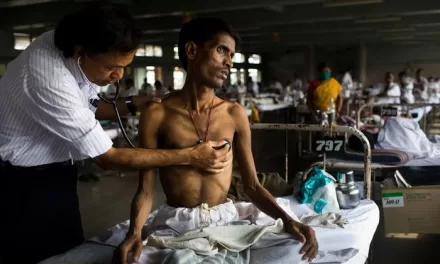
Rapid growth strains Pakistan’s health sector, with public facilities overwhelmed by bed shortages, long waits, and poor care quality, while private options remain unaffordable for most. For everyday Pakistanis, this means heightened risks of maternal and child mortality, especially in remote regions where services lag. Positively, addressing family planning could boost contraceptive prevalence to 60% by 2030, curbing unsafe abortions and stabilizing fertility.
Broader impacts include climate vulnerability—population pressures amplify disaster risks—and economic strain, but UNFPA sees potential for inclusive growth via empowered women and youth. Readers can support by advocating for SRHR access and family planning education in communities.
Challenges and Limitations
Sustained action remains elusive amid deep-rooted social norms, governance failures, and urban-rural inequities. Pakistan’s Business Recorder editorial warns that while UNFPA’s message is constructive, “purposeful, evidence-based planning” falters without political will. Critics note uneven provincial progress and funding shortfalls; for instance, despite MMR declines, rural rates exceed urban by 26%.pakistan.
UNFPA acknowledges 2025 progress but cautions stalled fertility declines signal incomplete reforms. Balanced views emphasize cultural sensitivity—religious factors influence contraceptive uptake—requiring community-led strategies over top-down mandates.
Conclusion: A Call for Action
UNFPA’s 2026 vision positions population as Pakistan’s strength, contingent on health-focused policies. With 255 million lives at stake, timely reforms could avert crises and unlock dividends, but implementation tests resolve.pakistan.
Medical Disclaimer: This article is for informational purposes only and should not be considered medical advice. Always consult with qualified healthcare professionals before making any health-related decisions or changes to your treatment plan. The information presented here is based on current research and expert opinions, which may evolve as new evidence emerges.
References
-
UNFPA Pakistan. “Pakistan 2026: Walking the Talk on Population and Reproductive Rights.” December 29, 2025. https://pakistan.unfpa.org/en/news/pakistan-2026-walking-talk-population-and-reproductive-rightsinstagram
-
Lokmat Times. “UNFPA’s call to rethink Pakistan’s population trends timely; sustained policy action a challenge.” January 14, 2026. https://www.lokmattimes.com/technology/unfpas-call-to-rethink-pakistans-population-trends-timely-sustained-policy-action-a-challenge-1/pakistan.unfpa