 0
0
 0
0
Published: January 14, 2026
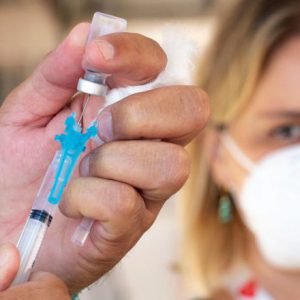
LONDON — A massive analysis of more than 1.1 million people in England has revealed surprising demographic trends in vaccine uptake, finding that women and the elderly were among the groups most likely to remain hesitant during the height of the COVID-19 pandemic. The study, published Tuesday in The Lancet, offers a granular look at how public trust shifted across 15 months of the global health crisis, highlighting that while overall confidence grew, deep-seated concerns regarding efficacy and long-term side effects created persistent barriers for specific populations.
The research, led by Imperial College London, tracked participants between January 2021 and March 2022. While the vast majority of the population eventually embraced immunization, researchers identified eight distinct categories of hesitancy. These ranged from a lack of trust in pharmaceutical developers to specific fears regarding fertility and the perceived “newness” of the technology.
The Shifting Landscape of Hesitancy
At the start of the rollout in early 2021, vaccine skepticism was at its peak, with roughly 8% of the surveyed population reporting hesitancy. As real-world data emerged showing the vaccines were saving lives, that number plummeted to just 1.1% by the start of 2022.
However, the “last mile” of vaccination proved difficult. The study found that the likelihood of remaining unvaccinated was significantly higher for:
-
Women
-
Adults aged 74 and older
-
Individuals living in economically deprived areas
-
Those with lower educational attainment
-
Unemployed individuals
“Our study suggests that as the vaccine was rolled out, public confidence increased and the original vaccine skepticism was largely overcome,” said co-author Professor Helen Ward of Imperial College London. However, Ward noted that certain “pockets” of hesitancy remained stubborn, requiring more nuanced public health interventions.
The Gender and Generational Gap
One of the most striking findings was the divergence between how men and women perceived risk. Men were nearly twice as likely as women to report that they did not feel COVID-19 posed a personal risk to them (18% vs. 10%).
Conversely, women’s hesitancy was often rooted in specific biological concerns. Approximately 21% of hesitant women cited worries about fertility or pregnancy-related consequences, compared to only 8% of men. This suggests that misinformation regarding reproductive health played a disproportionate role in shaping women’s medical decisions.
Perhaps most surprising to public health officials was the data regarding the elderly. While older adults are at the highest risk for severe COVID-19 outcomes, those aged 74 or older were more likely to express a general opposition to vaccines (12%) compared to the 18–24 age group (2.5%).
“We often assume the elderly are the most compliant because they are the most vulnerable,” says Dr. Elena Rossi, an independent public health researcher not involved in the study. “But this data reminds us that older generations may have different historical contexts for medical mistrust or may be more susceptible to social isolation, where misinformation can take root unchallenged.”
The Eight Pillars of Doubt
To better understand why some people chose to forgo the shot, researchers categorized the reasons for hesitancy. The findings suggest that skepticism wasn’t a monolith, but a complex web of concerns:
| Category of Hesitancy | Key Driver |
| Efficacy Doubts | 39% wanted to “wait and see” if the vaccine actually worked. |
| Side Effect Anxiety | 37% were concerned about immediate reactions. |
| Long-term Safety | Over 40% feared health impacts that might not appear for years. |
| Low Risk Perception | A belief that the virus was not a personal threat. |
| Distrust | Skepticism toward government motives or “Big Pharma.” |
| Fertility/Pregnancy | Specific concerns regarding reproductive health. |
| General Anti-Vax | A pre-existing philosophical opposition to all vaccinations. |
| Fear of Needles/Reactions | Physiological or psychological phobias. |
Socioeconomic Barriers and the “Omicron Bump”
The study also highlighted a clear socioeconomic divide. People living in deprived areas or those with lower education levels were less likely to be vaccinated. This points to a “double burden”: these individuals often have less access to reliable healthcare information and are simultaneously more likely to hold jobs that put them at higher risk of exposure.
Interestingly, the downward trend in hesitancy hit a snag in early 2022. During the Omicron wave, hesitancy saw a small uptick from 1.1% to 2.2%. Experts suggest this may have been fueled by “vaccine fatigue” or the perception that the Omicron variant was “milder,” leading some to question the necessity of boosters.
Public Health Implications: A Lessons Learned
The Imperial College London study serves as a roadmap for future pandemics. It suggests that a “one-size-fits-all” messaging campaign is destined to fail.
“We show that certain types of vaccine hesitancy are more readily addressed than others,” Professor Ward explained. For instance, concerns regarding pregnancy and breastfeeding can be countered with targeted clinical data and empathetic outreach from OB-GYNs. However, addressing deep-seated mistrust in institutions requires a long-term investment in community relations that goes far beyond a single crisis.
For the general public, the takeaway is clear: medical decisions are rarely made in a vacuum. They are influenced by our gender, our age, our neighborhood, and our fears. By identifying these specific drivers, healthcare providers can move away from “shaming” the unvaccinated and toward a model of “informed clinical conversation.”
Medical Disclaimer
This article is for informational purposes only and should not be considered medical advice. Always consult with qualified healthcare professionals before making any health-related decisions or changes to your treatment plan. The information presented here is based on current research and expert opinions, which may evolve as new evidence emerges.
References
- https://www.ndtv.com/health/women-and-elderly-more-likely-to-be-covid-19-vaccine-hesitant-lancet-study-10740230