 0
0
 0
0
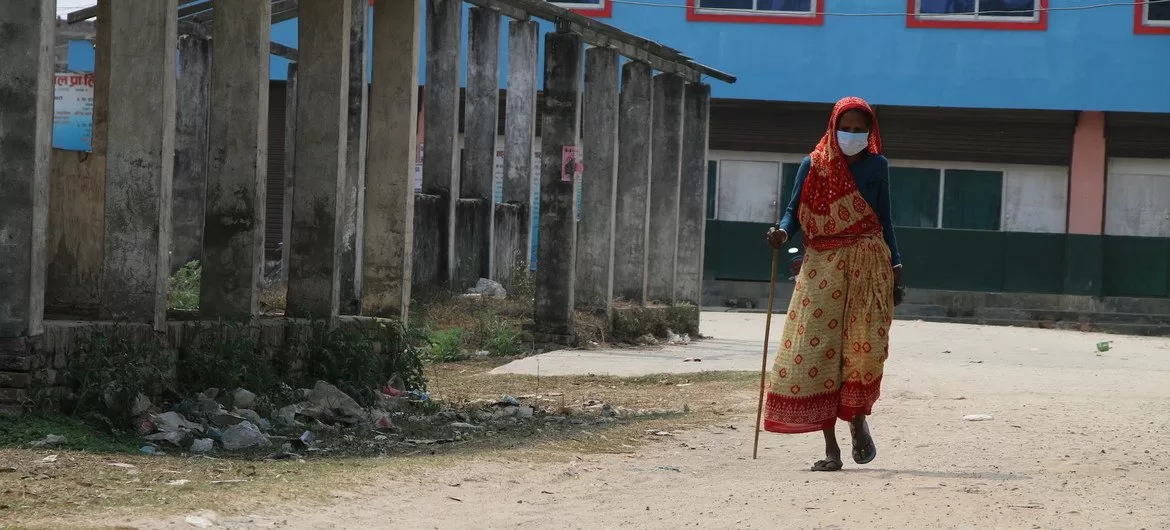
The recent study from India highlights the growing public health challenge posed by falls among the elderly, a demographic segment witnessing rapid expansion in the country. Approximately one-quarter of Indians aged 60 and above experience falls, with higher prevalence in certain states like Odisha, Punjab, and Kerala. This article unpacks the findings, expert insights, and practical implications of this issue for public health and elderly care in India.
Key Findings on Elderly Falls in India
A national-level study analyzing data from over 31,000 older adults found that nearly 23% of individuals aged 60 years or older reported experiencing one or more falls. This risk increases with age, rising to 28.3% among those aged 80 and above. Geographic disparities were notable, with states in India’s northeast reporting much lower fall rates (as low as 3% in Mizoram) compared to eastern and northern states where prevalence reached over 30%.
Falls are a leading cause of injury death and disability-adjusted life years lost globally, with elderly populations bearing the highest burden. In India, falls among older adults contribute significantly to morbidity, hospitalizations, and diminished quality of life, often leading to loss of independence and increased care needs.
Expert Commentary on Risk and Prevention
Dr. Anita Biswas, a geriatric specialist not involved in the study, emphasizes that “falls result from a complex interplay of factors including age-related physical decline, chronic diseases, medication effects, and environmental hazards.” She stresses the importance of a multifactorial approach for assessment and intervention, suggesting that “strength and balance exercises, home safety modifications, vision correction, and medication reviews are crucial components of effective prevention”.
Current global guidelines recommend stratifying older adults into low, intermediate, or high risk of falling. Those at high risk—characterized by recurrent falls, injury from falls, frailty, or balance problems—should undergo comprehensive assessments to tailor individualized prevention plans.
Context and Broader Health Implications
India’s elderly population is projected to double by 2036, which will magnify the social and economic impact of falls. Beyond physical injuries, falls often induce a fear of falling, leading to reduced activity, social isolation, depression, and further physical decline. These downstream effects contribute to the overall burden on healthcare systems and families.
Prevention strategies have broad public health benefits, reducing hospital admissions, long-term care needs, and healthcare costs. Assisted living facilities and community programs in India have begun to incorporate fall prevention protocols, including regular health checkups and tailored physical activity regimens, which have shown promise in mitigating risks.
Limitations and Balanced Perspective
While this study provides valuable insights into fall prevalence and risk factors, variations in methodologies and regional differences highlight the need for standardized data collection and quality improvement in research. Additionally, limited access to healthcare in rural areas may result in underreporting of falls and complications.
Some interventions may require resources and infrastructure that are currently limited in many parts of India, posing challenges for wide-scale implementation. There is ongoing research evaluating the cost-effectiveness and cultural adaptability of fall prevention interventions tailored to diverse elderly populations.
Practical Takeaways for Readers
-
Regular physical activity focusing on balance and strength can markedly reduce fall risk.
-
Home environment modifications, such as removing tripping hazards, improving lighting, and installing grab bars, are effective safety measures.
-
Regular vision checks and medication reviews with healthcare providers are important preventive steps.
-
Awareness of individual risk factors and early intervention can help maintain independence and quality of life.
Medical Disclaimer
Medical Disclaimer: This article is for informational purposes only and should not be considered medical advice. Always consult with qualified healthcare professionals before making any health-related decisions or changes to your treatment plan. The information presented here is based on current research and expert opinions, which may evolve as new evidence emerges.
References
-
Burden and Consequence of Fall among India elderly: Evidence from longitudinal Ageing Study in India, IUSSP IPC 2025 Conference Abstract, available at http://ipc2025.popconf.org/uploads/251562ipc2025.popconf