 0
0
 0
0
Kabul / New Delhi, Jan 29
The United Nations has warned that Afghanistan’s fragile health system will face immense strain in 2026, with an estimated 14.4 million people requiring essential health services, according to new projections by the UN Office for the Coordination of Humanitarian Affairs (OCHA). The forecast highlights the deepening humanitarian emergency in the country, where decades of conflict, economic collapse, climate shocks, and funding shortages continue to undermine access to basic healthcare.
According to OCHA, only about half of those in need—7.2 million people—are likely to be covered by existing health programmes, leaving millions without reliable access to medical care. The findings, reported by Afghanistan’s leading news agency Khaama Press, underscore what UN officials describe as the world’s largest ongoing humanitarian crisis going into 2026.
Children, Women, and People with Disabilities Most Affected
The UN estimates that children will make up 54 per cent of those needing health services, followed by women (24 per cent) and people with disabilities (10 per cent). This demographic breakdown reflects long-standing vulnerabilities that have intensified since 2021, particularly for maternal and child health.
“Afghanistan’s health crisis is not evenly distributed—it disproportionately affects those who already face barriers to care,” said Dr. Richard Brennan, Regional Emergency Director at the World Health Organization (WHO), who is not directly involved in the OCHA assessment. “Children, pregnant women, and people living with disabilities are often the first to lose access when health systems are underfunded.”
OCHA estimates that more than USD 190 million will be required in 2026 to meet essential health needs, including vaccinations, maternal and newborn care, treatment of infectious diseases, and emergency medical services.
A System Under Severe Strain
Afghanistan’s healthcare system relies heavily on international aid. Since the withdrawal of foreign forces and subsequent political changes in 2021, donor funding has declined, while economic sanctions and banking restrictions have disrupted supply chains and health worker salaries.
Despite these challenges, international organizations and non-governmental organizations (NGOs) have continued to provide frontline services. Programmes supported by WHO, UNICEF, and partners focus on basic health services, mobile clinics in remote areas, immunization campaigns, and emergency obstetric care. However, coverage remains inconsistent, particularly in rural and hard-to-reach regions.
“Health facilities exist in name in many districts, but they often lack medicines, trained staff, or operational funds,” explained Dr. Suhail Ahmad, a public health specialist who has worked with humanitarian missions in South Asia. “This means preventable conditions can quickly become life-threatening.”
Child Malnutrition: A Parallel Emergency
Compounding the healthcare crisis is what UNICEF describes as one of the worst child malnutrition emergencies in the world. According to UNICEF estimates, around 3.7 million children in Afghanistan suffer from acute malnutrition each year, a condition that significantly increases the risk of illness, developmental delays, and death.
Speaking at the launch of updated malnutrition prevention and treatment guidelines earlier this week, Tajudeen Oyewale, UNICEF’s Representative in Afghanistan, emphasized the urgency of the situation.
“Malnutrition is not just about hunger—it weakens immunity, affects brain development, and reduces a child’s chances of surviving common infections,” Oyewale said, as reported by Khaama Press. “Without timely intervention, the consequences can last a lifetime.”
The revised guidelines introduce important changes in both prevention and treatment, including clearer protocols for managing severe acute malnutrition and, notably, specific care guidance for infants under six months of age—a group historically underserved in nutrition programmes. UNICEF hopes these updates will improve survival rates and treatment outcomes in a context where resources are limited.
Food Insecurity Driving Health Risks
The health crisis cannot be separated from Afghanistan’s widespread food insecurity. According to the World Food Programme (WFP), more than 90 per cent of Afghan households cannot afford sufficient food. Chronic hunger and poor dietary diversity have left many children at risk of stunting, a form of malnutrition associated with irreversible physical and cognitive impairment.
“Malnutrition and disease form a vicious cycle,” said Dr. Neema Patel, a global nutrition expert at a UK-based humanitarian organization. “Children who are undernourished are more likely to fall sick, and illness further reduces their ability to absorb nutrients.”
Factors contributing to child malnutrition include poverty, prolonged drought, displacement, poor maternal nutrition, and limited access to healthcare. Rural areas are especially hard hit, as families often live far from functioning health facilities and face transportation barriers.
Gender Restrictions and Access to Care
Humanitarian groups have also raised concerns about restrictions affecting women’s participation in the healthcare workforce, which can limit access to services for women and children. In conservative settings, female patients often require female health workers for consultations, particularly for maternal and reproductive health.
“When female health workers are unavailable, women may delay or entirely forgo seeking care,” noted Dr. Brennan of WHO. “This can have serious consequences for maternal and newborn survival.”
Implications for Global Public Health
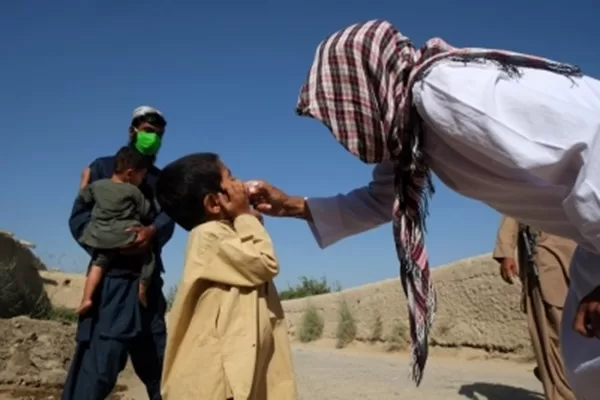
While Afghanistan’s crisis is geographically contained, experts warn it has broader public health implications. Disruptions in vaccination programmes increase the risk of outbreaks of measles, polio, and other vaccine-preventable diseases, which can spread across borders. Ongoing malnutrition also places long-term strain on regional health and development.
For readers outside Afghanistan, the crisis highlights how health systems depend on stable funding, political cooperation, and food security. For policymakers and donors, it underscores the consequences of humanitarian funding gaps.
Limits of the Data and Ongoing Uncertainty
As with many humanitarian projections, the OCHA estimates are based on available surveillance data and modelling, which can be affected by access constraints and reporting gaps. Conditions on the ground may improve or worsen depending on funding flows, climate events, and political decisions.
Still, experts agree that the overall trend is clear. “Even allowing for uncertainty, the scale of need is undeniable,” said Dr. Ahmad. “The real risk is not overestimating the crisis, but becoming desensitized to it.”
What This Means for Daily Health Decisions
For Afghan families, the implications are immediate: seeking care early for illness, prioritizing childhood immunizations when available, and accessing nutrition programmes can be lifesaving. For the international community, continued support for basic health services, nutrition, and food assistance remains critical.
As UNICEF and OCHA have stressed, preventing further deterioration will require sustained funding, protection of health workers, and community-based solutions—particularly for children who represent the country’s future.
Medical Disclaimer
This article is for informational purposes only and should not be considered medical advice. Always consult with qualified healthcare professionals before making any health-related decisions or changes to your treatment plan. The information presented here is based on current research and expert opinions, which may evolve as new evidence emerges.
References
- https://tennews.in/un-predicts-14-4-million-people-in-afghanistan-will-require-health-services-in-2026/