 0
0
 0
0
May 14, 2025 – Australians suffering from endometriosis may soon benefit from faster, less invasive diagnoses, thanks to newly updated clinical guidelines that recommend the use of ultrasound as a first-line diagnostic tool. The Royal Australian and New Zealand College of Obstetricians and Gynaecologists (RANZCOG) released the new “living” evidence guideline on Saturday, marking a significant shift from the traditional reliance on surgical diagnosis.
Moving Beyond Surgery
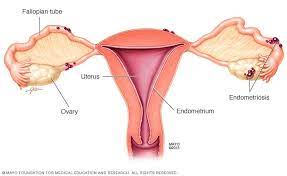
Endometriosis, a chronic condition where tissue similar to the lining of the uterus grows outside it, can cause severe pain, heavy periods, and infertility. Historically, patients often waited years for a diagnosis, which typically required a surgical procedure to collect tissue samples for confirmation. This delay left many enduring prolonged pain and uncertainty.
The new guidelines recommend transvaginal ultrasound as the primary diagnostic method, or a pelvic MRI when ultrasound is not appropriate. This change is based on emerging evidence that these non-invasive techniques can now detect many cases of endometriosis-especially deep infiltrating types-with increasing accuracy.
Dr. Marilla Druitt, one of the guideline developers, noted, “Ultrasound can detect deep infiltrating endometriosis with excellent sensitivity.” However, she acknowledged that detecting superficial disease remains a challenge.
Faster Access to Treatment
One of the most significant impacts of the updated guidelines is the potential for earlier treatment. With ultrasound as the first diagnostic step, patients can avoid long surgical waitlists and access therapies for pain and fertility issues sooner. The guidelines also recommend that treatment and diagnosis proceed in parallel, so care is not delayed while awaiting test results.
A new Medicare item number for endometriosis ultrasounds, effective from November, will further support this approach by enabling more comprehensive scans that look for endometriosis tissue outside the uterus. However, Dr. Druitt emphasized the need for more sonographers to gain accreditation to meet growing demand.
Comprehensive, Patient-Centered Care
The guidelines also encourage general practitioners to begin first-line hormonal treatment while diagnostic investigations are underway, and recommend physiotherapy and psychological care for those with pelvic pain and endometriosis.
Prof. Danielle Mazza of Monash University called the new tools and resources for primary care “a gamechanger,” enabling GPs to provide evidence-based care more confidently.
For patients, new resources have been developed to help them advocate for themselves and participate in shared decision-making with healthcare providers.
Addressing Myths and Risks
The guidelines clarify that hysterectomy is not a cure for endometriosis or adenomyosis, and address concerns about cancer risk. While there is a small increase in ovarian and endometrial cancer risk for those with endometriosis, the absolute risk remains low compared to the general population. Notably, the guidelines also state that pregnancy is not a cure or treatment for endometriosis, countering a persistent myth.
Ongoing Evolution and Consultation
As a “living” guideline, the recommendations will continue to be updated as new research emerges. However, some advocacy groups expressed disappointment at the limited public consultation during the guideline’s development. RANZCOG has committed to working with stakeholders to incorporate feedback in future updates.
Disclaimer:
This article is based on information reported by The Guardian on May 10, 2025, and summarizes updates to Australian endometriosis diagnosis and treatment guidelines. It is intended for informational purposes only and should not be considered medical advice. For personal health concerns or treatment options, please consult a qualified healthcare professional.
Citations: