 0
0
 0
0
British health authorities have launched a major investigation into the safety of popular weight-loss injections after hundreds of people reported severe pancreatic problems, including hospitalisations and deaths, linked to the use of GLP-1 receptor agonist drugs such as Ozempic, Wegovy, and Mounjaro.
The Medicines and Healthcare products Regulatory Agency (MHRA), in collaboration with Genomics England, is examining whether genetic differences may influence the risk of developing acute pancreatitis—a potentially life-threatening inflammation of the pancreas—among users of these medications. The move comes after the MHRA received 181 reports of acute or chronic pancreatitis associated with Mounjaro, including five deaths, and 113 cases linked to Wegovy and Ozempic, with one fatality reported.
What Are GLP-1 Receptor Agonists?
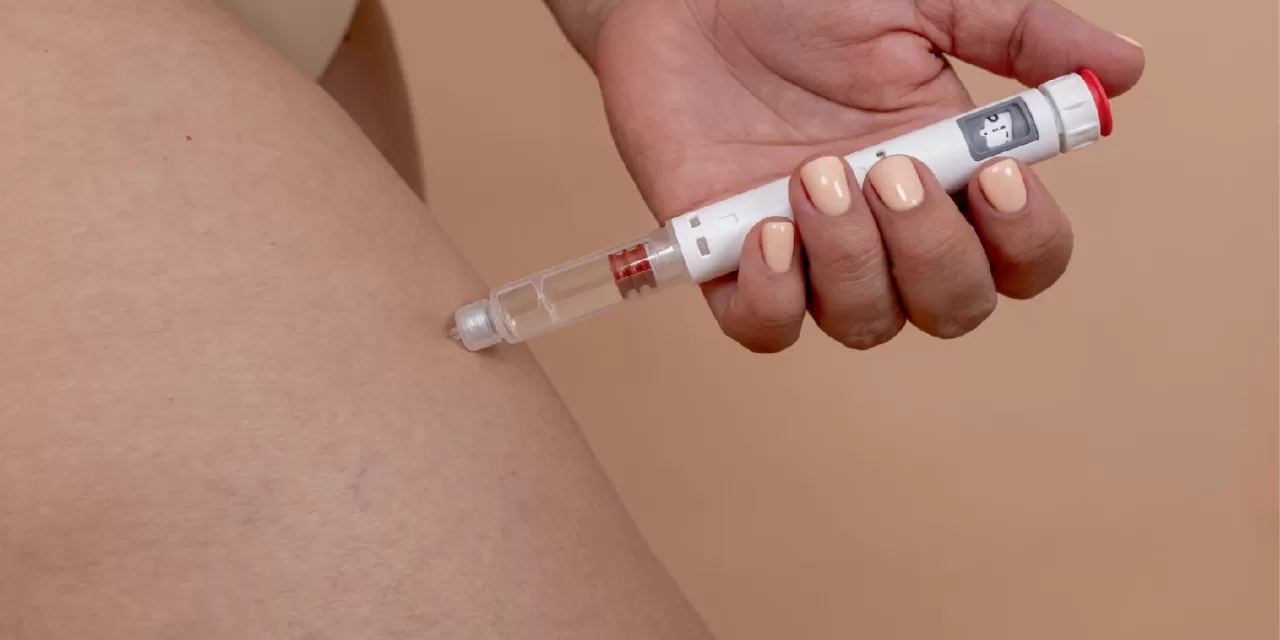
GLP-1 receptor agonists, often referred to as “skinny jabs,” mimic natural hormones that regulate appetite and blood sugar. They are prescribed in the UK for individuals with obesity or Type 2 diabetes and are not approved for cosmetic weight loss. These drugs must be administered under the supervision of a healthcare professional and are available through the NHS in select cases or via private clinics.
The Yellow Card Biobank Study
The MHRA and Genomics England have launched the Yellow Card Biobank, a pioneering initiative to collect genetic data from patients hospitalised with acute pancreatitis suspected to be linked to GLP-1 medicines. Participants are asked to provide a saliva sample, which researchers will use to determine if certain genetic traits increase susceptibility to pancreatitis when using these drugs.
Dr. Alison Cave, MHRA Chief Safety Officer, stated, “Almost a third of side effects could be prevented with genetic testing. This study is a major step toward personalised medicine”. The investigation aims to identify those most at risk and improve the safety of future prescribing practices.
Growing Use and Ongoing Risks
Recent estimates suggest that around 1.5 million people in the UK are using weight-loss jabs. Health officials have highlighted that while these medications can be effective tools in the fight against obesity, they are not without risks. Most side effects are gastrointestinal—such as nausea, constipation, and diarrhoea—but rare cases of acute pancreatitis have raised significant concern.
There is also concern about the ease of access to these drugs through unregulated online sources, which can increase the risk of adverse effects due to lack of proper medical oversight.
Call for Reporting and Safe Use
The MHRA urges anyone who has experienced severe reactions to GLP-1 medicines to report their cases through the Yellow Card scheme. Healthcare professionals are also encouraged to refer patients and submit reports to aid ongoing safety monitoring.
Disclaimer
This article is for informational purposes only and does not constitute medical advice. The investigation into the link between weight-loss jabs and pancreatitis is ongoing, and causation has not been definitively established. Individuals should consult a qualified healthcare professional before starting or discontinuing any medication. Never purchase prescription drugs from unregulated sources, as this can pose serious health risks.