 0
0
 0
0
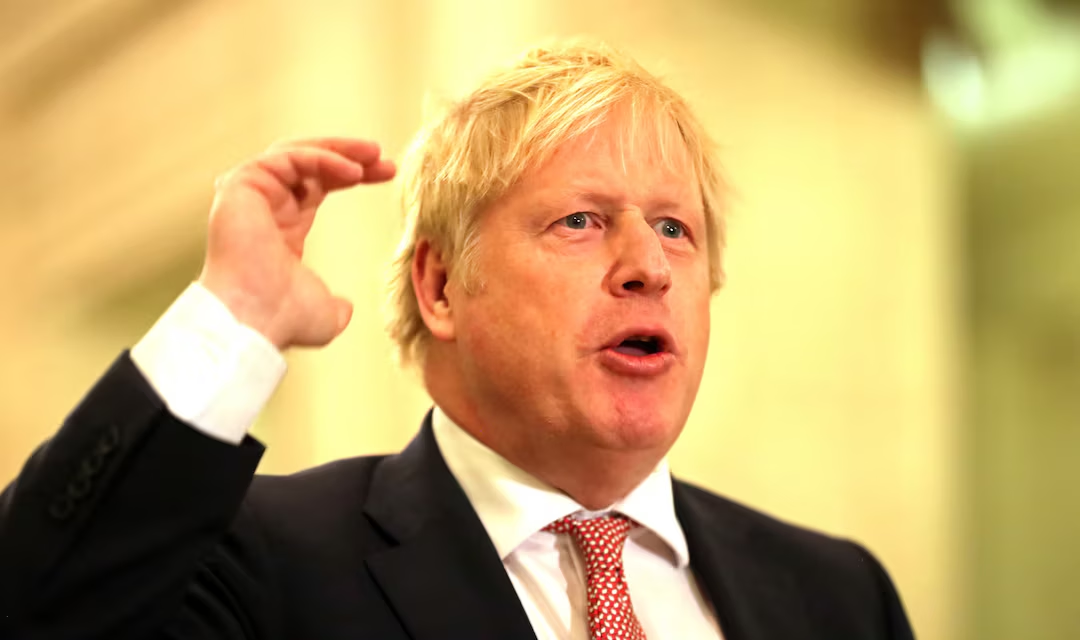
The UK Covid-19 Inquiry released a detailed report on November 20, 2025, criticizing former Prime Minister Boris Johnson’s handling of the pandemic as chaotic, disorganized, and delayed. The report concluded that the UK government’s slow initial response, including a critical delay in imposing the first national lockdown, resulted in approximately 23,000 additional deaths during the initial wave of Covid-19. This inquiry examined the decision-making processes and political governance across the UK’s four nations, highlighting systemic failures and missed opportunities that exacerbated the crisis.
Key findings reveal that although the UK experienced over 230,000 Covid-related deaths — a figure comparable to the US and Italy but higher than many European nations — many fatalities could have been prevented with earlier interventions. If the government had imposed a lockdown just one week earlier, the death toll during the first wave (up to July 2020) could have been reduced by nearly 48%. The inquiry labeled February 2020 as a “lost month” when leadership at the highest level failed to instill urgency despite clear warnings about the virus’s potential impact.
The inquiry report detailed that political leaders, including Johnson and his senior advisers, underestimated the virus, delayed decisive action, and frequently shifted their positions. These delays were compounded by a fragmented approach involving England, Scotland, Wales, and Northern Ireland. The report also criticized government initiatives like the “Eat Out to Help Out” scheme for undermining public health efforts by encouraging social mixing without mandatory safety measures during a critical phase of the pandemic.
Experts not involved in the inquiry have echoed concerns that the loss of public trust was worsened by government officials breaking lockdown rules themselves, which contributed to noncompliance among the public. However, the inquiry acknowledged the success of the later vaccine rollout and praised efforts to protect vulnerable populations during the gradual easing of restrictions.
The report emphasizes the importance of decisive leadership, clear communication, and timely interventions in managing public health crises. It also serves as a warning of the consequences of underestimating emerging infectious threats and failing to act with urgency.
Potential limitations of the inquiry include the inherent complexity in policymaking under unprecedented conditions, where decisions often involved weighing significant trade-offs with no perfect solutions. Still, the report’s sober findings provide critical lessons for future pandemics to avoid repeating past mistakes.
For the general public, this inquiry underscores the value of early compliance with public health measures and the profound impact that government leadership can have on outcomes during health emergencies. It also highlights the need for ongoing vigilance and readiness to respond swiftly to emerging threats.
Medical Disclaimer: This article is for informational purposes only and should not be considered medical advice. Always consult with qualified healthcare professionals before making any health-related decisions or changes to your treatment plan. The information presented here is based on current research and expert opinions, which may evolve as new evidence emerges.
References:
- https://www.bbc.com/news/live/cm27m300p2yt
- https://www.independent.co.uk/news/uk/home-news/covid-inquiry-2025-boris-johnson-report-live-updates-b2869117.html