 0
0
 0
0
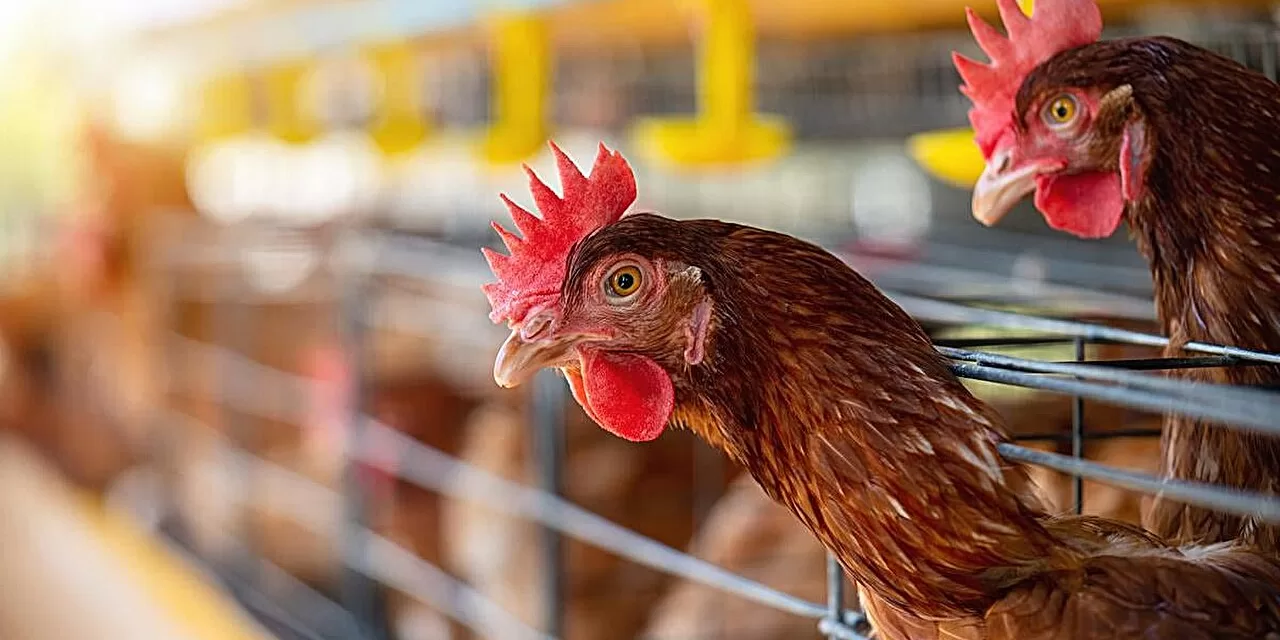
The UK government has reported a fresh outbreak of the highly pathogenic avian influenza H5N1 virus at a poultry site near Exminster in southwestern England, Devon. This development on September 1, 2025, has led to swift intervention measures including a 3-kilometer protection zone and a 10-kilometer surveillance zone around the affected premises to curb the spread. All poultry at the location will be humanely culled as part of containment efforts to prevent further transmission of this dangerous virus.
Key Findings and Developments
According to government announcements, the H5N1 strain detected is known for causing severe illness and high mortality rates in birds. The outbreak in Devon represents a significant public health concern given the virus’s potential for rapid spread among poultry populations, which could also pose risks to humans in close contact with infected birds. Authorities’ creation of established exclusion and monitoring zones near the outbreak epicenter reflects standard biosecurity protocols designed to limit disease transmission.
Expert Commentary
Dr. Helen Carter, a veterinary epidemiologist not involved in the response, explains, “H5N1 continues to be one of the most concerning avian influenza strains due to its virulence and capacity to jump species barriers. Prompt containment, including culling of infected birds and strict perimeter controls, is critical to controlling outbreaks.” She stresses that while the primary risk is within avian populations, those handling poultry should take precautions including protective clothing and hygiene practices.
Context and Background
H5N1 bird flu has been a recurring challenge globally since its emergence in the late 1990s. It primarily infects wild birds and domestic poultry but can occasionally infect humans, usually through direct exposure to infected birds or contaminated environments. Human cases remain rare but potentially severe. The virus’s ability to mutate and spread rapidly among birds necessitates vigilant surveillance from health and agricultural authorities.
In recent years, the UK has encountered sporadic outbreaks of H5N1, prompting temporary bans on poultry movements and culling of affected flocks to prevent regional and international spread. These measures, while disruptive economically and emotionally for farmers, are essential to safeguard food supplies and prevent zoonotic transmission.
Implications for Public Health
For the general public, the risk of contracting H5N1 from casual contact is very low. The primary concern lies with poultry workers, veterinarians, and others who have close, prolonged exposure to potentially infected birds. Public health agencies recommend avoiding contact with sick or dead birds and practicing good hygiene if exposure cannot be avoided. The ongoing monitoring zones also help reduce risk by limiting the virus’s range.
Potential Limitations and Counterarguments
Some experts note that large-scale culling, while crucial, raises ethical and ecological concerns. In addition, there is always a risk that virus strains like H5N1 could mutate, becoming more transmissible between humans, though no such strain has widely emerged to date. Critics argue for increased investment in vaccination strategies for poultry and wildlife surveillance to mitigate outbreaks before they reach critical levels.
Practical Advice for Readers
Readers are advised to stay informed on local and governmental guidance regarding avian influenza outbreaks, especially those living near affected farms or involved in poultry farming. Proper cooking of poultry products to recommended temperatures eliminates risk of infection. The general public need not take extraordinary precautions but should report any unusual bird deaths to local animal health authorities.
Medical Disclaimer
This article is for informational purposes only and should not be considered medical advice. Always consult with qualified healthcare professionals before making any health-related decisions or changes to your treatment plan. The information presented here is based on current research and expert opinions, which may evolve as new evidence emerges.