 0
0
 0
0
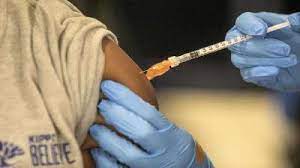
The U.S. Department of Health and Human Services (HHS) is preparing to overhaul its vaccine testing framework, according to a recent report by The Washington Post. Under the leadership of HHS Secretary Robert F. Kennedy Jr, new vaccines may soon be required to undergo placebo-controlled trials before receiving federal approval-a significant departure from current regulatory practices.
Key Changes on the Horizon
The proposed policy would mandate that participants in clinical trials for experimental vaccines be randomly assigned to receive either the vaccine or a placebo. This approach aims to strengthen safety evaluations by isolating the vaccine’s effects from external variables. While such trials are considered the gold standard in medical research, their application to vaccines has historically been limited due to ethical and logistical challenges, particularly during public health emergencies.
Unanswered Questions
The HHS has yet to clarify critical details, including:
-
Scope: Whether the mandate applies to all new vaccines or specific categories (e.g., mRNA-based products).
-
Timeline: When the policy will take effect and how it aligns with existing emergency-use authorization pathways.
-
Ethical considerations: How the agency plans to address concerns about withholding vaccines from placebo groups in high-risk scenarios.
A spokesperson confirmed the shift but declined to provide further specifics. Repeated inquiries from Reuters and other outlets, including requests for post-business-hours commentary, have gone unanswered.
Industry and Public Health Implications
The move has sparked debate among experts. Proponents argue that rigorous placebo-controlled data could bolster public trust in vaccines, while critics warn of potential delays in deploying critical immunizations during outbreaks. The policy’s ambiguity has also raised questions about its feasibility, particularly for vaccines targeting emerging pathogens like novel influenza strains or Disease X.
Global Context
The proposal coincides with international efforts to strengthen pandemic preparedness, including the World Health Organization’s newly adopted pandemic agreement and New Zealand’s $20 billion health infrastructure renewal plan. However, the U.S. policy shift could set a precedent for regulatory standards worldwide.
Disclaimer: This article synthesizes information from publicly available reports, including The Washington Post and Reuters. Statements attributed to the HHS are based on third-party sources, as the agency has not issued official documentation or responded to direct inquiries. The policy’s implementation remains subject to change pending further clarification from federal authorities.
Sources: Devdiscourse, The Washington Post, Reuters.
Note: Robert F. Kennedy Jr’s exact title and role within HHS should be verified, as the original source’s attribution may require confirmation.
Also See:
-
World Health Organization Secures Historic Pandemic Preparedness Pact
-
NZ Unveils $20B Health Infrastructure Plan to Renew Aging Hospital Network
-
IKS Health and OrthoNY Strengthen Alliance for Enhanced Patient Engagement
(Adapted from Devdiscourse’s original reporting.)
Citations: